[email protected] +92-320-6688665 Defence Road, Sialkot 51310, Pakistan
ISO 13485:2016 · CE Marked · FDA Registered Exporting to 45+ Countries
0%

China has become an important sourcing base for orthopedic instruments, including Orthopedic Bone Cutters. Global buyers now expect more than competitive pricing. They need repeatable cutting performance, documented materials, and reliable shipment control. The World Health Organization reports that musculoskeletal conditions affect approximately 1.71 billion people worldwide. This burden continues to support demand for dependable orthopedic equipment. WHO, Musculoskeletal Health, 2022.

Market growth also deserves attention. Fortune Business Insights estimated the global orthopedic devices market at about USD 45.64 billion in 2023. Its report projects continued expansion through 2032. This wider market figure does not measure bone cutters alone. It still shows the commercial importance of orthopedic procurement. Buyers should avoid treating every Chinese supplier as equally capable. That assumption creates risk.

A credible evaluation begins with surgical use. A cutter for dense cortical bone needs stable jaws, controlled leverage, and comfortable grip geometry. The hinge should move smoothly, without visible play. Stainless steel grade, hardness, surface finish, and corrosion testing require written evidence. Suppliers should also provide ISO 13485 certification, batch traceability, inspection records, and applicable regulatory documentation. FDA registration or CE marking should never be accepted without verification.

The details matter.

Independent testing can reveal weaknesses that product photos conceal. Samples should undergo repeated cutting trials, cleaning cycles, and dimensional checks. Pricing remains relevant, but it is not the final answer. In my assessment, the best Chinese manufacturer is the one that combines engineering consistency, transparent communication, and responsive after-sales support. Some conclusions may change after clinical feedback. That is why responsible buyers compare samples, factory records, and long-term performance before selecting Orthopedic Bone Cutters.
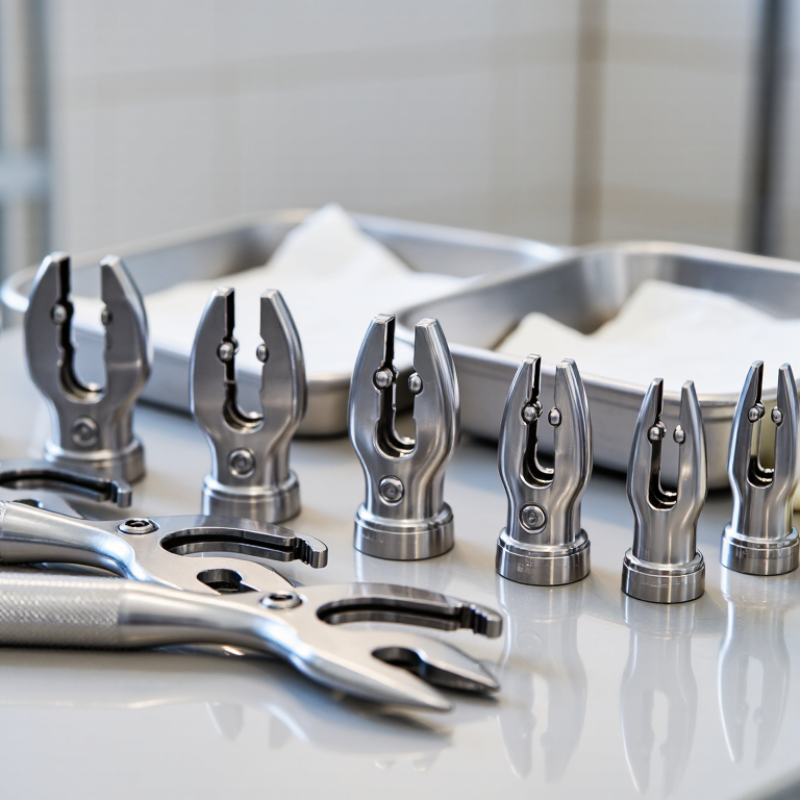
China Best Orthopedic Bone Cutters for Global Buyers?

Types and Functions of Orthopedic Bone Cutters

Types and Functions of Orthopedic Bone Cutters

Orthopedic bone cutters differ by cutting method, access, and tissue control. Rongeurs remove small bone fragments during decompression procedures. Their sharp jaws can reach narrow spaces, but excessive force may damage surrounding tissue. Osteotomes and chisels shape or split bone through controlled manual impact. They require a stable grip and a clearly supported cutting direction. Bone saws, including oscillating and wire designs, create longer, straighter cuts during joint replacement or corrective surgery. Their teeth must remain sharp to reduce heat and vibration. Small rotary burs refine edges around implants and joints. They offer precision, though irrigation and speed control remain essential. No cutter fits every anatomy.

Demand is linked to the wider orthopedic burden. The World Health Organization reported that musculoskeletal conditions affect about 1.71 billion people worldwide in 2022. That figure does not measure instrument sales, but it explains growing clinical pressure for reliable surgical tools. For global buyers evaluating Chinese orthopedic bone cutters, function should lead price. Check jaw alignment, hardness, surface finish, cutting consistency, and corrosion resistance. Confirm cleaning instructions, sterilization compatibility, material traceability, and quality-system documentation. ISO 13485 certification can support supplier evaluation, but it does not replace surgical validation. A 2024 bench comparison may reveal differences hidden by catalog photographs. This is easy to underestimate. One weakness remains: published market reports often group cutters inside broader orthopedic-device categories. Buyers should therefore request application-specific test records, not rely on market size alone.

Key Materials and Design Features to Evaluate

China Best Orthopedic Bone Cutters for Global Buyers?

For orthopedic bone cutters, material selection affects safety, durability, and maintenance. Medical-grade stainless steel is widely valued for corrosion resistance and repeated sterilization. High-carbon alloys can improve edge retention, but they require careful surface treatment. Tungsten carbide inserts may support harder cutting performance, although they can increase cost and replacement complexity. Buyers should request material certificates, hardness data, and sterilization compatibility records.

Design details matter during real procedures. A balanced cutter should provide stable handling without excessive wrist pressure. Textured handles can improve grip when gloves are wet, while smooth surfaces simplify cleaning. Jaw alignment must remain precise under load. Narrow jaws help access restricted areas, but they may feel less forgiving during heavy cutting. Ratchet locks can reduce hand fatigue, yet poorly designed locks may delay release. Small differences matter.

No design is perfect. A very sharp edge may lose performance sooner if used on unsuitable material. A durable coating can also hide early surface damage. Buyers should examine hinge movement, cutting consistency, cleaning access, and traceability documentation. Independent testing is more convincing than attractive product photographs. Production quality may vary between batches, so sample evaluation remains necessary. That step is easy to overlook.

China Best Orthopedic Bone Cutters for Global Buyers? - Key Materials and Design Features to Evaluate

Evaluation Dimension Common Specification or Option Typical Use or Benefit What Global Buyers Should Check
Cutter Type Rongeur, bone nibbler, osteotome, wire cutter, or powered bone saw Different instruments are designed for biting, splitting, trimming, or sawing bone Match the mechanism to the surgical procedure, bone thickness, and required level of control
Working Material Surgical stainless steel, commonly from corrosion-resistant martensitic or austenitic grades Provides strength, corrosion resistance, and compatibility with repeated cleaning Request the exact steel grade, material certificate, heat-treatment record, and corrosion-test evidence
Jaw Hardness A controlled hardened cutting area with a tougher, less brittle body Supports edge retention while reducing the risk of sudden fracture Verify hardness testing location, acceptable range, and consistency between production batches
Jaw Geometry Straight, curved, angled, cup-shaped, or narrow-profile jaws Improves access to confined anatomical areas and helps control the bite location Assess jaw alignment, visibility, bite depth, and suitability for the intended anatomy
Cutting Edge Precision-ground edge with a uniform contact line and smooth transition Reduces crushing, uneven biting, and unnecessary force during cutting Inspect edge symmetry, burrs, surface finish, and performance after repeated processing cycles
Handle Design Ring handles, offset handles, ergonomic grips, or hinged compound handles Affects grip stability, hand fatigue, leverage, and instrument control Check balance, finger-ring size, grip texture, operating force, and left- or right-hand usability
Hinge and Joint Box lock, lap joint, screw joint, or serviceable pivot assembly Maintains jaw alignment and determines smoothness of opening and closing Check for minimal lateral play, smooth movement, secure fasteners, and ease of cleaning
Surface Finish Fine satin, matte, or electropolished finish Helps limit glare, staining, residue retention, and surface corrosion Look for uniform polishing, rounded transitions, absence of pits, and no exposed grinding marks
Sterilization Compatibility Reusable models designed for steam sterilization when validated by the manufacturer Supports standard hospital reprocessing workflows Confirm validated temperature, pressure, exposure time, drying requirements, and maximum reuse guidance
Size and Reach Overall lengths commonly selected according to procedure and access requirements Longer patterns improve reach; shorter patterns generally improve tactile control Compare working length, jaw width, opening angle, and clearance with the surgical site
Traceability Laser marking, lot number, model reference, and production records Supports inventory control, complaint handling, and product recall procedures Confirm durable markings, packaging identification, batch records, and replacement-part availability
Quality Verification Dimensional inspection, functional testing, visual inspection, and corrosion evaluation Reduces variation in cutting performance and helps identify manufacturing defects Request inspection standards, sampling plans, test reports, and pre-shipment inspection records
Regulatory Documentation Technical file, risk documentation, labeling, instructions for use, and applicable conformity evidence Facilitates registration, import clearance, and controlled clinical use Check documentation against the destination market and confirm that claims match the intended use

Note: Specifications should be confirmed against the applicable product standard, intended use, sterilization process, and regulatory requirements in the destination market.

China’s Manufacturing Standards and Quality Controls

For global buyers, China’s orthopedic bone cutter quality begins with a controlled manufacturing system. The NMPA 2023 annual report recorded more than 32,000 medical-device manufacturers in China. This scale creates capacity, but it also requires careful supplier screening. Qualified factories should operate under GB/T 42061-2022, China’s medical-device quality standard aligned with ISO 13485:2016. Their records should cover stainless-steel certificates, lot traceability, equipment calibration, and corrective actions. A certificate helps. It does not prove perfect cutters.

During a practical audit, inspect the production floor, not only the quality manual. Check cutting-edge geometry under magnification. Look for burrs, uneven teeth, surface pits, and loose joints. Hardness testing should match the approved material specification. Dimensional inspection should use calibrated gauges, with results linked to each batch. Corrosion testing and cleaning compatibility also matter, especially when instruments face repeated processing. The FDA’s 2023 medical-device recall data still shows that manufacturing failures remain a serious industry concern. Small documentation gaps can become large purchasing risks.

Tips: Request three recent batch records and compare them with shipped samples. Ask for nonconformance trends, not selected success stories. Confirm whether final inspection is performed by trained staff or automated equipment. Require clear acceptance criteria before production begins. Randomly test samples through an independent laboratory when risk or order volume is high. One honest weakness is useful: suppliers that openly discuss rework usually provide more reliable evidence than those claiming zero defects.

China’s Manufacturing Standards and Quality Controls for Orthopedic Bone Cutters

Reference years of internationally recognized and China-adopted standards relevant to quality management, risk control, biocompatibility, processing instructions, and medical-device labeling.

The standards shown provide a practical compliance framework for manufacturers and global buyers. They support supplier evaluation through documented quality systems, risk management, material safety, validated cleaning and sterilization instructions, and traceable product labeling. Applicable requirements may vary according to the product design, intended use, and destination market.

References: ISO 13485:2016; GB/T 42061-2022; ISO 14971:2019; ISO 10993-1:2018; ISO 15223-1:2021; ISO 17664-1:2021.

How Global Buyers Can Compare Suppliers and Products

China Best Orthopedic Bone Cutters for Global Buyers?

Global buyers should compare suppliers by evidence, not attractive catalog photos. Ask for material specifications, dimensional drawings, inspection records, and traceability procedures. A reliable supplier should explain how cutting edges are formed, finished, and checked. Certification matters, but its scope must match the actual production site.

Product comparison needs practical testing. Request samples with the same handle style and jaw size as your intended order. Check grip comfort, closing force, edge alignment, surface finish, and corrosion resistance. Ask whether the instrument is reusable or single-use. Packaging details also matter, especially for long-distance shipping and local sterilization processes.

Do not compare price alone. Review minimum order quantities, tooling charges, lead times, replacement policies, and communication speed. One overlooked detail can delay approval. A written quality agreement can clarify inspections and responsibility. Still, no checklist is perfect. Some buyers focus heavily on unit cost and miss inconsistent finishing between samples and bulk production. An independent pre-shipment inspection may reduce that risk. Request clear photos, batch records, and corrective-action reports when problems appear. Test the product under realistic handling conditions, not just at a desk. A supplier that welcomes detailed questions usually provides stronger purchasing support. Yet polite communication does not replace measurable proof. Compare several offers using the same technical requirements, delivery terms, and acceptance criteria.

Procurement, Compliance, and International Shipping Considerations

Selecting China-made orthopedic bone cutters requires more than comparing unit prices. WHO reports over two million medical device types worldwide, divided into more than 7,000 groups. Buyers should confirm the cutter’s intended use, material, cutting performance, and sterilization status. Request batch-level inspection records, dimensional reports, and traceability documents. ISO 13485 certification supports quality management, but it does not automatically prove market authorization.

Compliance depends on the destination. Verify classification, labeling, technical files, and post-market responsibilities before payment. FDA registration is not the same as clearance. EU requirements may also involve authorized representation and UDI obligations. A supplier’s certificate can look convincing. It still needs independent verification. I would also test several samples before approving a larger order; one sample is not evidence.

Shipping documents deserve equal attention. The UNCTAD Review of Maritime Transport 2024 states that shipping carries over 80% of global merchandise trade, yet air freight may suit urgent surgical supplies. Confirm HS classification, commercial invoices, packing lists, country-of-origin details, and insurance terms. Use protective trays and moisture-resistant packaging. Inspectors may reject unclear labels or damaged cartons. My practical mistake would be trusting a forwarder’s template without checking local customs rules. Freight quotations often exclude duties, inspection charges, and destination handling fees. Request a landed-cost breakdown in writing.

FAQS

What are the main types of orthopedic bone cutters?

Common types include rongeurs, osteotomes, chisels, bone saws, and rotary burs. Each tool suits different cutting tasks and anatomical access.

What are rongeurs used for?

Rongeurs remove small bone fragments during decompression procedures. Their sharp jaws reach narrow spaces, but excessive force may harm nearby tissue.

When are osteotomes and chisels appropriate?

Osteotomes and chisels shape or split bone through controlled manual impact. They require a stable grip and a clearly supported cutting direction.

What advantages do orthopedic bone saws provide?

Oscillating and wire saws create longer, straighter cuts during joint replacement or corrective procedures. Sharp teeth help reduce heat and vibration.

Why are rotary burs used near implants?

Small rotary burs refine bone edges around implants and joints. Irrigation and speed control remain essential for accurate work.

How should buyers compare orthopedic bone cutter suppliers?

Compare material specifications, drawings, inspection records, and traceability procedures. Ask how cutting edges are formed, finished, and inspected.

Which product details deserve practical testing?

Check grip comfort, closing force, jaw alignment, surface finish, and corrosion resistance. Request samples matching the intended handle style and jaw size.

Is certification enough for supplier approval?

Certification can support supplier evaluation, but it does not replace surgical validation. Confirm that certification covers the actual production site.

What purchasing details can affect delivery?

Review minimum order quantities, tooling charges, lead times, replacement policies, and packaging requirements. One overlooked detail can delay approval.

Why should buyers inspect samples and bulk production?

Catalog photos can hide inconsistent finishing. Independent pre-shipment inspection may reduce risk, but no checklist catches everything.

Conclusion

Choosing the best Orthopedic Bone Cutters for global buyers requires a balanced evaluation of function, materials, manufacturing quality, and supply reliability. Different cutter types are designed for specific orthopedic procedures, including cutting wires, pins, screws, or bone structures, so buyers should match the instrument’s configuration and cutting capacity with clinical requirements. Important design features include ergonomic handles, precise jaw alignment, corrosion-resistant stainless steel, durable cutting edges, and safe, controlled operation.

China offers a broad manufacturing base, but international buyers should assess suppliers through documented quality systems, inspection procedures, material traceability, dimensional testing, and performance verification. A careful comparison should also consider customization options, production consistency, technical support, lead times, pricing, and after-sales service. Before placing an order, buyers should confirm applicable medical-device requirements, product documentation, packaging standards, import responsibilities, and shipping arrangements. Clear communication and independent quality checks can help ensure that selected products meet professional expectations and arrive safely for their intended markets.

Charlotte Harper

Charlotte Harper

Charlotte Harper is a dedicated marketing professional with a strong understanding of the company’s products, customers, and evolving industry needs. Through a combination of market research, strategic planning, and clear communication, she helps present complex product information in practical and......