Choosing a China-based supplier for Yasargil Bayonet Bipolar Forceps requires more than comparing catalog prices. These delicate neurosurgical instruments demand controlled manufacturing, consistent materials, and careful finishing. The angled bayonet profile should provide clear visibility around the surgical field. The tips must align smoothly and close evenly. Even a small mismatch can affect handling during precise procedures.
A reliable supplier should explain its manufacturing process, inspection methods, and material specifications. Ask for sample evaluation, dimensional records, sterilization guidance, and traceable quality documents. Experience matters, but evidence matters more. Product photographs alone are not enough. A professional supplier should communicate clearly about customization, packaging, lead times, and after-sales support. It should also provide documentation suitable for the destination market and applicable medical-device requirements.
Details reveal capability.
Buyers should examine insulation quality, bipolar performance, joint movement, and surface smoothness. Stainless steel selection also deserves attention, especially when repeated cleaning and sterilization are expected. In practice, procurement teams may overlook small issues, such as inconsistent tip geometry or unclear batch identification. Those gaps can create avoidable concerns later. A thoughtful comparison should include factory communication, inspection discipline, and long-term supply stability. The best China supplier for Yasargil Bayonet Bipolar Forceps is not automatically the largest or cheapest. It is the partner that can demonstrate repeatable quality, responsible documentation, and responsive technical support. Final decisions should follow clinical needs, institutional procedures, and independent verification. Reliability is built gradually. That part should never be rushed.
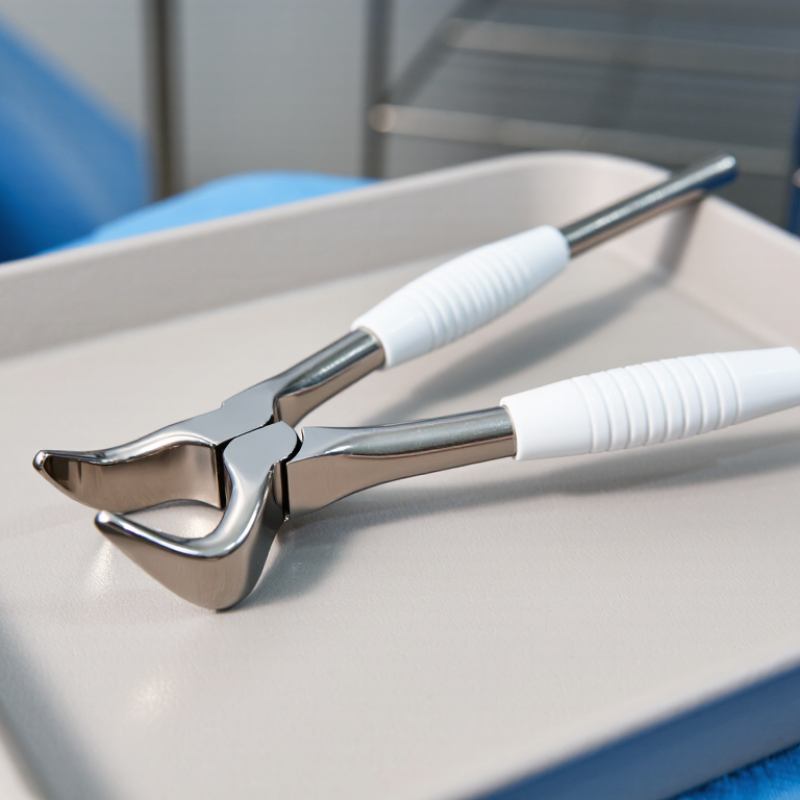
Yasargil bayonet bipolar forceps are designed for controlled manipulation in delicate microsurgical procedures. Their angled shaft improves the surgeon’s view and keeps the hand away from the operative field. The slim, curved tips support precise coagulation around narrow anatomical spaces. Bipolar energy passes between the tips, limiting current flow to the grasped tissue. However, performance depends on generator compatibility, tip alignment, and careful handling.
Common uses include neurosurgery, spinal procedures, and other operations requiring accurate hemostasis. Key features may include lightweight construction, insulated shafts, balanced grip, and smooth spring action. A reliable supplier should provide clear specifications, sterilization guidance, and consistent quality records. Tip geometry matters. Very fine tips can improve access, but they may bend more easily. Wider tips offer strength, yet they can reduce visibility.
Tips: Check jaw closure under magnification before use. Confirm insulation is intact. Test compatibility with the intended bipolar generator. Keep the tips clean and aligned. In practice, no forceps feels perfect for every procedure. Surgeons may need different lengths or tip shapes. A supplier should support sample evaluation rather than relying only on catalog images. That small step can reveal uneven closure, uncomfortable tension, or poor balance. Even experienced teams should review these details periodically.
Bayonet bipolar forceps are designed with an angled shaft that improves visibility of the surgical field while keeping the operator’s hand away from the microscope or line of sight. Common working lengths include approximately 17 cm, 20 cm, and 23 cm, allowing selection according to access depth and procedure type. Typical applications include microsurgical coagulation in neurosurgery, vascular surgery, spinal procedures, and other delicate operations requiring controlled bipolar energy.
The dimensions shown are representative working-length options commonly used in bayonet bipolar forceps. Exact measurements, tip geometry, insulation, and connector compatibility vary by instrument configuration and manufacturer.
Choosing a reliable Chinese supplier for bayonet bipolar forceps requires more than comparing prices. Begin with the supplier’s technical experience. Ask how the forceps maintain tip alignment after repeated opening cycles. Check the insulation near the hinge and shaft. Small cracks can create serious clinical concerns. Request material specifications, dimensional drawings, and sample units for inspection.
A dependable supplier should provide clear quality records. These may include incoming material checks, electrical safety testing, cleaning validation, and final visual inspection. Confirm whether the factory follows a certified quality management system, but verify certificates independently. A polished website proves little. Factory photographs, audit access, traceability codes, and consistent documentation offer stronger evidence. Also examine packaging details, sterilization compatibility, and storage instructions.
Test several samples under realistic handling conditions. The jaws should close smoothly, grip evenly, and release without excessive force. Ask about production lead times, replacement procedures, and communication during quality disputes. Experienced suppliers usually explain limitations instead of promising perfection. That matters. I would also compare samples from different batches, because one excellent unit may hide uneven production. A careful evaluation may take longer, but it reduces avoidable risks and supports a more stable purchasing decision.
A reliable China-based supplier of bayonet bipolar forceps should control quality from raw material selection to final inspection. Manufacturing should follow a documented medical-device quality system, such as ISO 13485, with risk controls based on ISO 14971 principles. Each stainless-steel batch needs traceability, including its heat number, supplier record, and inspection result.
Production details matter. Machined jaws should close evenly, without visible gaps or rough edges. The insulation must remain continuous around the shaft, especially near the hinge and cable connection. Operators should check jaw alignment under magnification. Electrical tests can measure leakage, insulation resistance, and stable bipolar output under defined loads. Dimensional gauges should verify tip length, opening angle, and handle movement. Sterilization compatibility requires documented validation for the intended reusable process.
A strong supplier also uses controlled sampling, calibrated instruments, and written acceptance limits. These records should be available for review, not merely promised during a sales discussion. A perfect inspection report is not enough. Experienced inspectors can still miss small coating scratches or gradual hinge wear. For this reason, trend analysis, corrective actions, and periodic process audits are essential. Practical testing with simulated tissue loads can reveal problems that visual checks cannot. Some inspections may seem repetitive, but surgical instruments leave little room for guessing. Supplier evaluations should also examine employee training, clean storage, packaging protection, and complaint handling. Continuous improvement is necessary, because even a stable process can drift over time.
A reliable Chinese supplier of bayonet bipolar forceps should offer more than a standard catalog model. Customization may include shaft length, tip width, angulation, handle texture, and connector type. Surgeons often need precise access around narrow operative fields. A two-millimeter change can affect visibility and control. Material selection also matters. Medical-grade stainless steel, balanced spring tension, and smooth jaw alignment support repeated clinical handling. We verify samples before production, although one sample cannot represent every surgical preference.
Sterilization options should match the customer’s validated process. Products may be supplied non-sterile for hospital sterilization or prepared for approved sterile packaging systems. Cleaning compatibility, corrosion resistance, and insulation durability require careful review. Each production lot can receive visual inspection, jaw alignment checks, electrical continuity testing, and dimensional measurement. Small details matter. The inspection record should identify operators, dates, and batch numbers. Our process is controlled, but practical feedback can still reveal improvements.
Packaging should protect delicate tips from bending, scratching, and contamination during transit. Individual sleeves, rigid tip guards, sealed pouches, and labeled cartons are available. Labels can include item codes, lot information, and handling instructions. Delivery planning depends on customization, inspection, packaging, and destination requirements. Trial orders may ship by air, while larger quantities can use sea freight. We confirm documents before dispatch and provide photographs of packed cartons. Delays remain possible during peak seasons, so realistic lead times are better than attractive promises.
Choosing a reliable Chinese supplier for bayonet bipolar forceps requires more than comparing prices. Certification provides a useful starting point. Look for an ISO 13485 quality system, valid product documentation, traceability records, and clear inspection procedures. Certificates should match the actual factory and product category. Ask for recent documents, not scanned pages without verification.
Support becomes visible during practical evaluation. Request samples and examine jaw alignment, insulation consistency, cable flexibility, and smooth actuation. Under microscope work, small manufacturing differences matter. Ask how the supplier handles custom lengths, packaging, replacement parts, and technical questions. Response time is evidence. So is the clarity of each answer. Good suppliers explain limitations instead of promising everything.
Value includes product life, inspection labor, shipping stability, and complaint handling. The lowest quotation may create higher costs later. A supplier offering batch records, controlled packaging, and documented final testing may deserve a higher price. Still, certification alone cannot prove daily performance. My own comparison would include repeated opening and closing tests, because one sample can look excellent. That is an imperfect method. It needs clinical and engineering feedback. Request a small trial order before larger purchasing decisions. Details matter. Ask for evidence.
Review technical experience, material specifications, dimensional drawings, and sample units. Ask how tip alignment survives repeated opening cycles. Small cracks matter.
Request recent certificates, inspection records, traceability codes, and factory audit access. Verify certificates independently. A polished website proves little.
Open and close several samples repeatedly. Check smooth movement, even gripping, clean release, insulation, and jaw alignment. Compare different production batches.
Custom options may include shaft length, tip width, angulation, handle texture, and connector type. A two-millimeter change can affect visibility and control.
Examine medical-grade stainless steel, spring tension, jaw alignment, cable flexibility, and insulation near the hinge. Ask for documented material specifications.
Match the product with the customer’s validated sterilization process. Review cleaning compatibility, corrosion resistance, insulation durability, and sterile packaging options. Do not assume compatibility.
Look for individual sleeves, rigid tip guards, sealed pouches, and labeled cartons. Packaging should prevent bending, scratches, and contamination during transit.
Ask about lead times, replacement procedures, batch records, shipping documents, and quality-dispute communication. Request packed-carton photographs before dispatch. Delays remain possible.
Not always. Compare inspection labor, product life, shipping stability, and complaint handling. A small trial order is wiser than a large assumption.
One excellent sample cannot represent every batch or surgical preference. Repeated testing helps, but it remains imperfect. Engineering and clinical feedback are still needed.
Yasargil Bayonet Bipolar Forceps are precision microsurgical instruments designed to provide controlled grasping and bipolar coagulation in delicate procedures. Their angled bayonet profile improves visibility, while fine tips, balanced handling, and reliable electrical conductivity support accurate tissue manipulation. When selecting a supplier in China, buyers should assess material quality, production experience, dimensional consistency, and the supplier’s ability to maintain stable performance across different batches.
A dependable manufacturer should follow documented quality-control procedures, including incoming material inspection, machining checks, surface finishing, electrical performance testing, and final inspection. Buyers should also confirm available customization options, sterilization compatibility, protective packaging, lead times, and delivery arrangements. Comparing suppliers by recognized certifications, technical communication, after-sales support, sample evaluation, and overall value can help identify a partner capable of meeting clinical and procurement requirements. Clear specifications and transparent documentation are essential for achieving consistent quality and dependable long-term supply.