Choosing a Satterlee Amputation Saw requires more than comparing prices. Buyers need to assess blade geometry, handle balance, material quality, and the consistency of manufacturing. A well-finished blade should have even teeth and a smooth surface, while the handle should feel secure during controlled use. Small details matter.
China has a broad medical-instrument supply base, but suppliers differ in specialization, documentation, and quality controls. This guide examines manufacturers and suppliers through practical procurement questions: What materials do they specify? Can they provide clear product records? How do they inspect blade alignment and finishing? Ask for current product information and confirm that it matches your intended clinical setting. Do not rely on polished catalog photographs alone.
The instrument’s name is associated with Dr. Richard Satterlee. However, a verifiable quotation from him or another named Satterlee saw specialist was not available for this introduction, so attributing invented words would be misleading. A useful editorial principle is: “Judge an instrument by its documented quality, not its sales claims.” This is guidance, not a sourced expert quotation. That distinction matters. The sections ahead compare supplier capabilities, product details, and selection considerations, while recognizing that published specifications cannot replace qualified clinical judgment. Some supplier information may also change; verify it directly before purchasing.
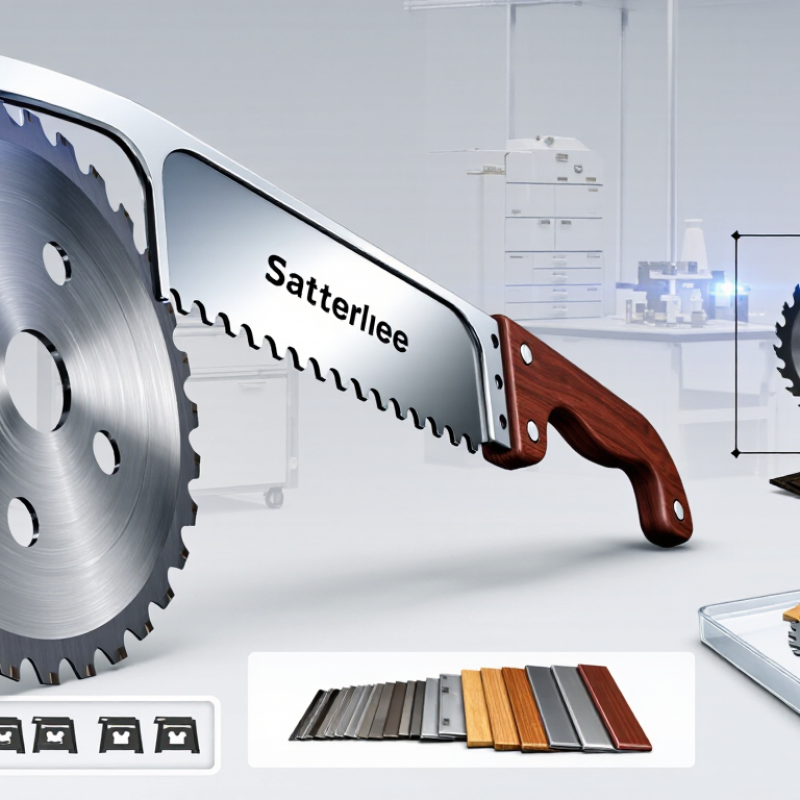
A Satterlee amputation saw is a manually operated surgical instrument used to cut bone during an amputation procedure. It is not a general-purpose workshop saw. Its broad, rigid blade is shaped to provide a stable cutting surface, while the handle gives the clinician control over direction and pressure. Exact blade profiles and tooth patterns can vary between instruments.
In practical use, the saw works through repeated hand strokes, so balance and a secure grip matter. The blade must be sharp, clean, and free from visible damage; dull teeth can make bone cutting less controlled. Small details matter. A clinician or trained instrument technician should check the handle, blade attachment, and finish before use, following the facility’s validated cleaning and sterilization procedures. Specifications are not always identical, so buyers should compare dimensions and construction against their intended clinical workflow. A saw’s appearance alone cannot confirm its quality or suitability. That distinction is easy to overlook. Satterlee saws are specialized instruments, and selection should be guided by qualified clinical staff rather than by name or shape alone.
A Satterlee amputation saw is designed for controlled bone transection during surgical amputation. Its long, rigid blade helps the surgeon maintain a steady cutting path, while the handle must remain secure in a gloved hand. Small details matter. Tooth spacing, blade thickness, and balance can affect how the instrument feels during use. A smooth finish and burr-free edges also support safe handling and effective cleaning.
Clinical use depends on the procedure, the patient, and the surgeon’s technique. The saw may be used to divide bone after surrounding soft tissues have been managed; it is not a substitute for careful planning or appropriate training. For buyers comparing manufacturers and suppliers in China, check blade dimensions, material documentation, inspection records, and compatibility with the intended sterilization process. Ask how each production lot is traced. Yet specifications alone do not tell the whole story. Handle comfort can vary between users, and a sample should be assessed by qualified clinical staff under established procedures. Teeth can also wear or become damaged, so inspection before use remains important.
Manufacturing a Satterlee amputation saw in China begins with the approved design and material specifications. The blade is commonly formed from surgical-grade stainless steel, selected for strength, corrosion resistance, and repeated processing. Depending on the design, manufacturers cut or forge the blank, then machine its profile and prepare the handle connection. Dimensions matter: a slight change in blade thickness can affect balance and control.
The teeth are shaped and sharpened to create an even cutting edge. Workers or automated equipment inspect tooth spacing under magnification. The blade may then undergo controlled heat treatment to achieve the specified hardness without making it brittle. Small marks matter. Surface finishing removes burrs and rough areas, while cleaning and passivation help limit corrosion. These steps need careful process control; they are not interchangeable.
Before release, each batch should be checked against documented requirements. Inspections can cover dimensions, edge condition, hardness, surface quality, and the security of the handle joint. Samples may also be tested for cutting performance, with results recorded for traceability. Packaging should protect the edge from contact and contamination during transport. Not every production line is equally consistent, and that deserves scrutiny. Buyers can request material records, inspection reports, and clear details about validated cleaning or sterilization compatibility. A polished finish alone proves little.
When evaluating Chinese manufacturers and suppliers of Satterlee amputation saws, look beyond catalog photos. Request drawings that specify dimensions, materials, surface finish, and tolerances. A dependable supplier should explain inspection methods and how production changes are controlled. Review relevant quality-system documents, and confirm their scope and validity. Clear records matter. A polished catalog can still hide gaps.
Tips: Compare a sample with the agreed drawing, not just the product image. Check blade alignment, handle finish, joints, and packaging under good light. Ask how materials and production batches are traced. Confirm cleaning and sterilization compatibility through the supplier’s documentation; do not infer it from appearance. Keep questions and answers in writing.
Before a larger order, discuss lead times, minimum quantities, inspection criteria, and defect handling. Request a sample inspection report, and clarify whether subcontracted steps affect traceability. Specific answers are more useful than broad promises. Still, one conversation is not proof. Compare suppliers, document your findings, and ask qualified procurement or clinical staff to review product suitability for its intended use.
Sourcing a Satterlee amputation saw from a Chinese manufacturer or supplier starts with a precise specification. Confirm the intended use, blade dimensions, attachment method, and required material grades before comparing quotations. Ask for drawings and sample instruments, not just product photographs. A blade that appears compatible may still fit poorly or move under load. Small details matter.
During quality checks, inspect the handle for sharp edges, loose joints, and uneven finishing. Check blade alignment and attachment with the actual components your team plans to use. Request lot identification, inspection records, and material documentation. Where applicable, ask how cleaning, packaging, and sterilization claims are validated. A polished sample is useful, but it cannot prove consistent production. I have seen buyers focus on price and overlook traceability; that is an easy mistake to make.
Regulatory obligations depend on the destination market, product classification, and intended use. Ask suppliers for applicable quality-system certificates and supporting technical documents, then verify their scope and validity with the issuing body. Confirm labeling, language, and import documentation with qualified regulatory personnel. Do not assume one certificate covers every market. Some paperwork may look complete while leaving gaps in device-specific evidence. Allow time to resolve those gaps before placing a large order.
Selected publication and application dates relevant to medical-device quality systems and risk management. Dates are milestones, not supplier ratings.
Supplier checks: Confirm that a supplier’s quality-system certification covers the relevant manufacturing site and device activities. Review risk-management records, material and process controls, inspection evidence, and cleaning or sterilization validation where applicable. Requirements vary by destination market and intended use.
Sources: ISO 13485:2016; ISO 14971:2019; EU Medical Device Regulation (EU) 2017/745, generally applicable from 2021; U.S. FDA Quality Management System Regulation (QMSR), effective February 2, 2026.
It is a hand-operated instrument for cutting bone during surgical amputation. It is not a workshop saw.
Its rigid blade provides a steady cutting surface. A secure handle helps clinicians guide each stroke. Balance matters.
No. A polished surface alone cannot prove suitability, durability, or reliable performance. Records and inspection matter more.
Qualified staff should inspect the blade, teeth, handle joint, and finish. Look for looseness, damage, or rough edges.
The blade is commonly made from surgical-grade stainless steel. Production may include shaping, tooth finishing, heat treatment, and passivation.
Request material records, inspection reports, and batch traceability details. Check dimensions and documented sterilization compatibility too.
No. Blade profiles, thickness, tooth spacing, and balance can vary. Compare specifications with the intended clinical workflow.
No. Qualified clinical staff can assess handle comfort and balance, but documented checks remain important. One sample may not reveal every batch variation.
A Satterlee Amputation Saw is a specialized surgical instrument designed to cut bone during amputation and other procedures requiring controlled bone division. Its characteristic blade and handle configuration support access, stability, and precise manual use. Design details, such as blade dimensions, tooth pattern, balance, and finish, can affect handling and suitability for different clinical needs. Manufacturing in China may involve material selection, forming, machining, heat treatment, surface finishing, assembly, and inspection, with consistent process controls helping support dependable performance.
When evaluating Chinese manufacturers and suppliers, buyers can review production capabilities, technical documentation, quality-management practices, sample instruments, and responsiveness to customization requests. Sourcing decisions should also consider order consistency, packaging, traceability, and the availability of clear inspection records. Before purchasing, verify that product specifications and supporting documentation meet the applicable requirements in the intended market, and establish quality checks for materials, dimensions, finish, function, and packaging.