[email protected] +92-320-6688665 Defence Road, Sialkot 51310, Pakistan
ISO 13485:2016 · CE Marked · FDA Registered Exporting to 45+ Countries
0%

Choosing Aspiration Liposuction Cannulas in 2026 requires more than comparing prices or catalog photographs. The right cannula should match the treatment area, tissue characteristics, aspiration system, and surgeon’s technique. Diameter, length, tip design, side-port pattern, and shaft flexibility can all affect control, efficiency, and tissue handling. Small differences matter.

Experienced surgeons often assess cannulas by how they feel during use. A slender cannula may support precision in confined areas, while a larger design can help manage broader zones. Blunt tips may reduce unnecessary trauma when used appropriately, but no design removes clinical risk. Handle balance matters too. So does visibility.

Reliable selection also depends on documented manufacturing quality. Look for clear material specifications, consistent port construction, validated sterilization instructions, and compatibility information from the manufacturer. Reusable instruments require careful cleaning, inspection, maintenance, and tracking under approved clinical protocols. Disposable products need secure packaging and verified integrity before use. These details are easy to overlook.

There is no universal best cannula. That remains true. Published evidence comparing every modern design is limited, and personal preference can sometimes outweigh measurable differences. A careful decision should combine surgical experience, current clinical guidance, product documentation, and patient-specific planning. Before choosing Aspiration Liposuction Cannulas, clinicians should review the intended procedure, equipment setup, and foreseeable complications with their qualified medical team. A thoughtful choice is not always the newest one. It is the one that supports controlled, consistent, and safe practice.
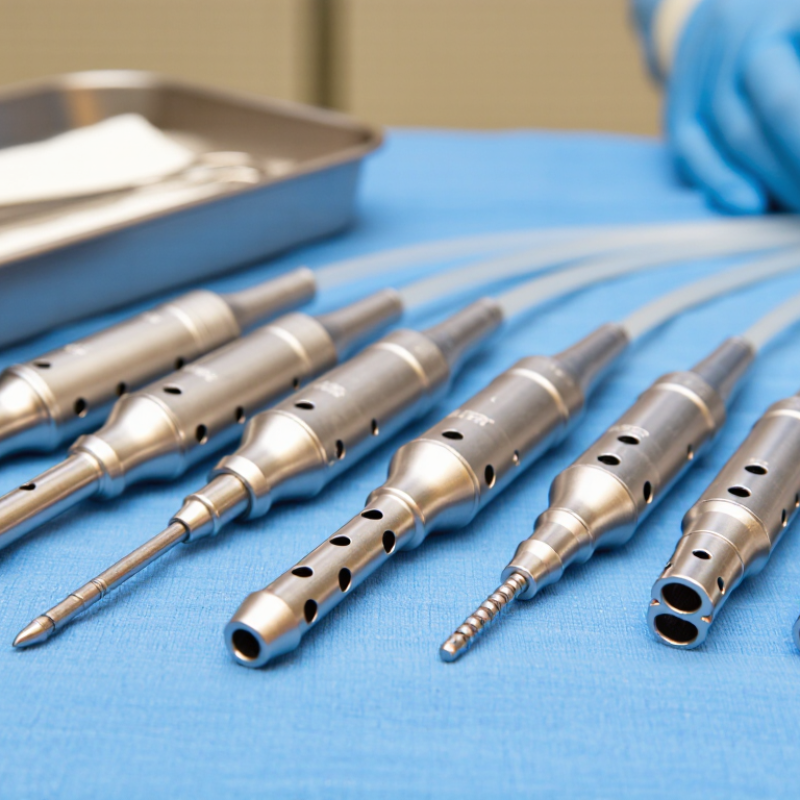
How to Choose Aspiration Liposuction Cannulas in 2026

Understanding Aspiration Liposuction Cannula Design and Function

How to Choose Aspiration Liposuction Cannulas in 2026

Understanding Aspiration Liposuction Cannula Design and Function

An aspiration cannula is a hollow instrument that helps remove fat through suction. Its design affects how it moves through tissue and how aspiration is delivered. Diameter, length, tip shape, and port placement all matter. A wider cannula may allow faster aspiration, while a narrower one can support more controlled movement in selected areas. Neither choice is automatically better. Suitability depends on the patient, treatment area, and clinician’s technique.

Tip shape influences how the cannula meets tissue. Openings may be arranged near the tip or along the shaft, changing where suction acts. Handle design and tubing connections also affect control and setup. Clinicians should review the instrument’s intended use, material, cleaning instructions, and compatibility with their equipment. Small details matter. A cannula that feels balanced in the hand may still require careful adjustment during use.

Tips: Compare cannula dimensions and port patterns against the planned treatment area. Check that connections fit securely, and inspect the instrument before use. Follow the manufacturer’s instructions and established clinical protocols. Ask experienced colleagues how a design handles in practice. There is no perfect choice for every case, and my own preference may not suit another clinician.

Assessing Patient Anatomy and Treatment Goals

Patient anatomy should guide cannula selection, not a preferred tool or trend. Assess the treatment area’s thickness, contour, skin elasticity, and any scars from earlier procedures. A small, firm area may call for a different approach than a broad area with softer tissue. Small details matter. Pinching and mapping the tissue can help the clinician understand where it changes in thickness, though these checks cannot predict every response.

Treatment goals matter just as much. A plan focused on gentle contour refinement may differ from one addressing a larger area, and cannula diameter, length, and tip design should fit the intended depth and access points. There is no universally best cannula.

The surgeon should explain why a particular option suits the patient’s anatomy, and how the plan may change if tissue behaves differently during treatment. That uncertainty deserves an honest conversation. Prior procedures, uneven contours, or limited skin elasticity can affect what is realistic, so expected results should be discussed without guarantees. Patients should also ask about risks, recovery, and alternatives. An apparently minor choice can have trade-offs; I would not treat that as a detail to overlook.

Selecting Cannula Diameter, Length, Tip, and Port Configuration

Choosing aspiration liposuction cannulas means matching the instrument to the treatment area, tissue, and planned technique. The American Society of Plastic Surgeons’ 2023 Plastic Surgery Statistics Report recorded 347,782 liposuction procedures in the United States. That figure describes procedure volume, not preferred cannula specifications. There is no universal size chart. Surgeons should use their training, patient assessment, and the instrument’s instructions to guide selection.

Diameter affects how easily a cannula passes through tissue and the character of aspiration. Smaller diameters may support finer contour work, while larger ones can remove more tissue per pass. Length should suit the working area and incision location; a long cannula may reach across a broad zone, but can be less nimble in tight spaces. Check access and control. Tip shape also matters: blunt designs are commonly used to help limit unintended tissue injury, but no tip removes risk.

Port number, size, and orientation influence aspiration and tissue engagement. More or larger ports do not automatically mean better results; they may change how tissue enters the cannula and how much control the surgeon feels. Match the configuration to the intended plane and movement, then reassess during the procedure. Small differences matter. Published guidance does not establish one best configuration for every patient, and that uncertainty deserves honest attention.

Comparing Materials, Ergonomics, and Compatibility

How to Choose Aspiration Liposuction Cannulas in 2026

Material affects handling, durability, and cleaning requirements. Stainless steel remains a practical choice for repeated clinical use when processed correctly. It offers rigidity during controlled passes and provides clear tactile feedback through the handle. Single-use polymer options may reduce reprocessing demands, but their stiffness and visibility can vary. Check the manufacturer’s instructions for sterilization, storage, and intended use. Never assume similar-looking cannulas perform identically.

Ergonomics matters during long procedures. A balanced cannula should sit naturally in the hand without forcing the wrist upward. Textured grips can improve control when gloves become wet, though excessive texture may create pressure points. Different shaft lengths and tip designs influence access, tissue resistance, and precision. I prefer assessing the cannula with a gloved hand before use. Small discomfort becomes significant after repeated passes.

Compatibility is more than fitting a suction tube. Confirm the connector size, locking mechanism, tubing diameter, and vacuum system requirements. A loose connection can reduce efficiency and increase contamination risks. Review the complete instrument set, including adapters and collection canisters. Clinical experience helps, but it should not replace documented specifications or staff training. Some selection decisions remain imperfect, especially when comfort, cost, and availability conflict. Reassess them after real procedural use.

Applying Safety, Sterilization, and 2026 Technology Criteria

Choosing aspiration liposuction cannulas in 2026 requires more than comparing diameters. Safety begins with predictable handling, visible markings, and a tip that moves smoothly through tissue. Rounded edges and evenly spaced side ports can reduce sudden tissue grabbing. The cannula should also match the aspirator, tubing, and collection system without loose connections. Small details matter. A poorly fitting connector can interrupt suction during a critical moment.

Sterilization criteria deserve equal attention. The CDC classifies instruments entering sterile tissue as critical devices requiring sterilization. Reprocessing instructions must specify cleaning, inspection, packaging, and validated sterilization parameters. AAMI ST79 emphasizes monitoring each sterilization cycle with mechanical, chemical, and biological indicators. WHO’s 2024 infection prevention report notes that effective programs may reduce healthcare-associated infections by up to 70%. That figure supports disciplined systems, not casual shortcuts. In 2026, evaluate digital tracking, readable laser markings, automated washer compatibility, and documented material resistance. Single-use options may simplify traceability, but waste and supply reliability require review. Reusable cannulas can be economical, yet narrow lumens hide residue. This is where teams often underestimate risk. Inspect under bright light, document findings, and reject instruments with damaged tips, blocked ports, or uncertain history. Not every new feature improves care. Practical testing under real operating conditions remains essential.

FAQS

What does an aspiration cannula do?

It is a hollow instrument that removes fat through suction. Its dimensions and openings affect how it moves through tissue.

How should clinicians choose a cannula diameter?

Smaller diameters may offer more control for fine contour work. Larger diameters may remove more tissue per pass. Neither is best for every area.

Why do cannula length and tip shape matter?

Length affects reach and maneuverability. A blunt tip is commonly used to help limit unintended tissue injury, but it does not remove risk.

How do port number and placement affect performance?

Port size, number, and orientation influence tissue engagement and aspiration. More ports do not automatically mean better results.

What should teams check before connecting a cannula?

Confirm that it fits the aspirator, tubing, and collection system. Inspect the tip and ports, and make sure connections are secure.

What sterilization steps matter for reusable cannulas?

Follow validated cleaning, inspection, packaging, and sterilization instructions. Monitor each cycle, and inspect narrow lumens under bright light.

When should a cannula be rejected?

Reject one with a damaged tip, blocked ports, or uncertain reprocessing history. Small defects can matter.

Do newer features always improve care?

No. Digital tracking and readable markings may help, but practical testing matters. A new feature can still be awkward in use.

Are single-use or reusable cannulas better?

Single-use options may simplify traceability. Reusable instruments may be economical, but residue can hide in narrow lumens. Teams should weigh both carefully.

Is there one ideal cannula configuration for every patient?

No. Selection depends on the patient, treatment area, planned technique, and clinician’s training. Even a familiar design may not suit every case.

Conclusion

Choosing the right Aspiration Liposuction Cannulas in 2026 requires a balance of design, patient anatomy, treatment goals, and procedural safety. Cannulas should be evaluated by their diameter, working length, tip shape, and port configuration, as these features influence tissue access, fat removal efficiency, contour control, and operator precision. Selection should reflect the treatment area, fat distribution, skin characteristics, and the need for either broad aspiration or more detailed sculpting.

Material quality, handle ergonomics, device compatibility, and resistance to repeated sterilization are also essential considerations. A well-designed cannula should support controlled movement, reduce unnecessary fatigue, and integrate reliably with the intended aspiration system. In addition, clinicians should prioritize validated safety features, clear maintenance protocols, proper sterilization, and updated technology criteria for 2026, including improved visualization, consistency, and workflow efficiency. Final selection should always be based on professional training, patient-specific assessment, and applicable medical standards.

Charlotte Harper

Charlotte Harper

Charlotte Harper is a dedicated marketing professional with a strong understanding of the company’s products, customers, and evolving industry needs. Through a combination of market research, strategic planning, and clear communication, she helps present complex product information in practical and......