[email protected] +92-320-6688665 Defence Road, Sialkot 51310, Pakistan
ISO 13485:2016 · CE Marked · FDA Registered Exporting to 45+ Countries
0%

Choosing Reusable Silicone Bipolar Cables in 2026 requires more than comparing prices and connector photos. These cables support precise energy delivery during clinical procedures. Their silicone jacket must remain flexible, cleanable, and resistant to repeated handling. Small design differences can affect setup time, insulation performance, and user confidence.

A practical evaluation should begin with equipment compatibility. Confirm the generator model, connector type, cable length, and bipolar instrument interface. Check the manufacturer’s specifications carefully. Do not rely on appearance alone. A cable may fit physically but perform poorly with an incompatible system. The silicone compound, strain relief, and contact quality also deserve close inspection. Look for clear information about sterilization methods, temperature limits, inspection intervals, and expected service life.

Documentation matters.

Reliable suppliers should provide traceable product records, inspection guidance, and relevant quality information. Clinical engineering teams can assess insulation resistance, connector stability, and visible damage through documented procedures. Operating staff should watch for stiff sections, surface cracks, discoloration, or loose contacts after repeated use. These details often reveal problems before failure occurs. However, no selection checklist is perfect. Actual performance depends on cleaning chemicals, sterilization cycles, storage conditions, and handling habits. That uncertainty should be acknowledged, not hidden.

This guide explains how to compare Reusable Silicone Bipolar Cables through practical, evidence-based criteria. It considers safety, durability, compatibility, maintenance, and total ownership cost. The goal is not to choose the cheapest option. It is to select a dependable cable supported by transparent technical evidence and responsible after-sales service.
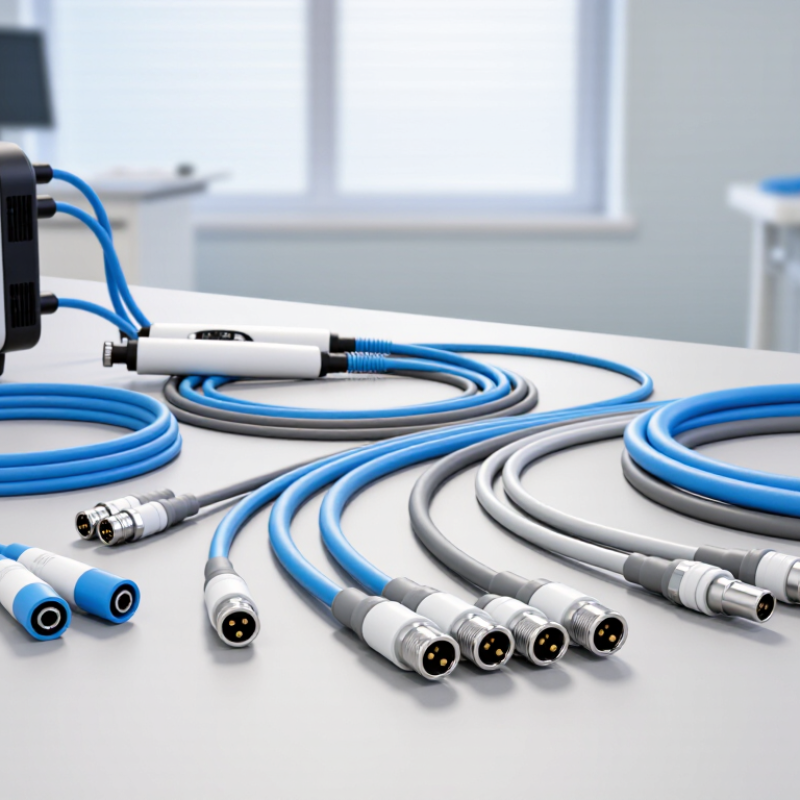
How to Choose Reusable Silicone Bipolar Cables in 2026?

Understanding Reusable Silicone Bipolar Cables and Their Applications

Reusable silicone bipolar cables are flexible electrical pathways used with compatible surgical instruments and electrosurgical generators. Their two conductors carry energy through a controlled bipolar circuit. Silicone insulation remains soft near operating lights, equipment carts, and repeated cable bends. This flexibility matters during procedures.

Selection should begin with connector compatibility, rated voltage, current capacity, and working length. Check the cable’s temperature range and insulation thickness. A cable may look intact but still contain internal conductor damage. Examine it before every use. Look for cuts, discoloration, exposed wire, loose pins, or hardened silicone. Small defects matter.

Reusable cables must match the facility’s cleaning and sterilization process. Confirm chemical resistance, moisture limits, and permitted cycle temperatures in the manufacturer’s instructions. After processing, trained staff should inspect connectors and perform electrical safety testing.

Do not assume repeated sterilization has no effect.

In practical use, a shorter cable can reduce tangling around the operating table, while a longer cable may improve equipment placement. That choice depends on the room layout.

These cables support applications such as coagulation, tissue sealing, and other controlled bipolar procedures. They should only be used by qualified healthcare professionals with compatible equipment.

No cable is perfect. I would document inspection failures, even when the defect seems minor, because repeated handling can hide gradual wear. A neat appearance is not proof of safe performance.

Checking Compatibility with Medical Devices and Electrosurgical Systems

Choosing a reusable silicone bipolar cable in 2026 starts with the medical device, not the cable color. Confirm the connector shape, pin arrangement, contact spacing, and locking method. A connector can look right and still be electrically wrong. Check the electrosurgical generator’s approved accessories, operating frequency, maximum voltage, and current limits. The cable must match both the bipolar instrument and the generator. Do not assume a familiar socket proves compatibility.

Silicone insulation usually offers flexibility during procedures, but material quality and processing limits still matter. Review the cable’s instructions for use before selecting a sterilization method. Reusable does not always mean compatible with every sterilization cycle. Steam, low-temperature gas, and chemical processing can affect insulation, seals, or connector contacts. Check validated cycle limits and the expected number of reprocessing cycles. Length matters too. A long cable may increase handling problems, while a short cable can pull against the device.

Before clinical use, biomedical staff should verify continuity, insulation integrity, and connector security. Visual inspection should identify cuts, flattening, discoloration, exposed conductors, or loose contacts. Test the cable with the intended electrosurgical system using the facility’s documented procedure. A quick visual check is not enough. One limitation deserves attention: compatibility tables may not cover older medical devices or modified systems. Request written confirmation from the equipment supplier or a qualified service department. If readings remain unclear, remove the cable from service and investigate further.

Comparing Silicone Quality, Insulation, Connectors, and Cable Design

How to Choose Reusable Silicone Bipolar Cables in 2026?

When choosing reusable silicone bipolar cables, silicone quality deserves close inspection. Medical-grade silicone should show stable hardness, low compression set, and strong tear resistance. Platinum curing can reduce certain residues, but it does not guarantee superior performance. Ask for biocompatibility, extractables, and sterilization validation records. A soft cable feels comfortable. That is not enough.

Grand View Research estimated the global medical cables market at about USD 1.9 billion in 2023, with continued growth through 2030. Fortune Business Insights also reported strong expansion, although market estimates differ by product scope.

This growth increases the need for measurable insulation performance. Check dielectric strength, leakage-current behavior, and resistance after repeated bending. IEC 60601-1 requirements should guide verification, not replace it. Do not confuse reuse with unlimited reuse.

Connector design often decides daily reliability. Select connectors with secure locking, clear polarity identification, smooth cleaning surfaces, and stable contact resistance. Inspect mating-cycle data, because loose contacts can create intermittent output. Cable geometry matters too. A flexible jacket, reinforced strain relief, suitable bend radius, and balanced bipolar spacing reduce twisting near the handle. Short cables feel tidy, but they may pull during procedures. Longer cables improve reach, yet they add weight and tangling. I would test both. Real cleaning routines, storage bends, and operator handling can reveal weaknesses that laboratory samples miss.

Evaluating Sterilization, Durability, Safety, and Reuse Requirements

Choosing reusable silicone bipolar cables in 2026 requires more than checking heat resistance. Sterilization performance, insulation durability, and safe reuse must work together. WHO’s Global Report on Infection Prevention and Control (2022) estimates that 7 in 100 acute-care patients in high-income countries acquire healthcare-associated infections. Poorly reprocessed accessories can add avoidable risk.

Look for cable materials validated for the intended sterilization method. AAMI ST79 emphasizes validated steam sterilization, correct loading, drying, and routine monitoring. ISO 17665 also requires controlled moist-heat processes. Ask for cycle limits, not vague claims such as “autoclavable.” Repeated exposure can harden silicone, weaken strain relief, and damage connector seals.

Small cracks matter.

Inspect every cable before reuse. Bend it gently. Check for whitening, cuts, loose contacts, and exposed shielding. A cable may pass an electrical test while its outer insulation is already failing. That is an uncomfortable limitation. Cleaning chemicals can also change flexibility, even when the cable still looks acceptable. The CDC’s infection-control guidance treats reusable critical devices as requiring sterilization before each patient use. Therefore, procurement teams should record cycle counts, failed inspections, repair history, and sterilization results. A conservative replacement threshold is often safer than extending service life without evidence.

Choosing Suppliers, Testing Standards, and Total Ownership Costs

How to Choose Reusable Silicone Bipolar Cables in 2026?

Supplier selection should begin with evidence, not catalog photographs. During hospital procurement reviews, examine silicone grade, connector fit, bend endurance, and lot traceability. Request samples from production batches. A low unit price can hide replacement labor and operating delays. Grand View Research valued the global electrosurgical devices market at approximately USD 7.1 billion in 2023, showing strong demand but also intense supplier competition. Market growth does not guarantee cable quality.

Testing must match clinical use. Ask whether the cable has been evaluated against IEC 60601-2-2 for high-frequency surgical equipment. Patient-contact materials should have relevant ISO 10993 documentation. For steam sterilization, request validation evidence aligned with ISO 17665. Also review insulation resistance after repeated cycles, not only after one test. AAMI guidance emphasizes validated reprocessing and clear manufacturer instructions. That detail is often missed. It should not be.

Tips: Build a total ownership spreadsheet. Include purchase price, sterilization cycles, inspection time, failure rates, repair shipping, and disposal. Compare results over twelve months. For example, a cable costing 30% more may reduce replacements by half. However, do not trust projected savings without facility data. Record actual connector failures, cleaning damage, and rejected loads. Reassess every quarter. Mistakes are useful, if documented. A supplier that shares test methods, corrective-action records, and independent laboratory results is usually easier to audit and trust.

FAQS

What should be checked before choosing reusable silicone bipolar cables?

Check sterilization compatibility, insulation strength, connector fit, and bend durability. Request production-batch samples, not only catalog photographs. Evidence matters more.

Why is sterilization validation important?

The cable must be validated for its intended sterilization method. Review cycle limits, loading instructions, drying requirements, and monitoring records. “Autoclavable” alone is too vague.

How can repeated steam cycles damage a cable?

Heat and moisture may harden silicone, weaken strain relief, or damage connector seals. Repeated exposure can create small cracks. Small cracks matter.

What should staff inspect before each reuse?

Bend the cable gently and check for whitening, cuts, loose contacts, and exposed shielding. Also inspect connector surfaces and strain-relief areas. Do not rely only on electrical testing.

Can a cable pass an electrical test and still be unsafe?

Yes. Electrical performance may remain normal while outer insulation is deteriorating. That limitation is uncomfortable but important. Visual inspection still matters.

What testing documents should procurement teams request?

Request evidence for repeated-cycle insulation resistance and relevant high-frequency equipment testing. Review patient-contact material documentation and sterilization validation records. One test is not enough.

How should a facility calculate the real cost of reusable cables?

Track purchase price, sterilization cycles, inspection time, failures, repairs, shipping, and disposal. Compare actual results over twelve months. Estimates can mislead.

When should a reusable cable be replaced?

Replace it after failed inspections, visible insulation damage, unreliable contacts, or unexplained performance changes. Record cycle counts and repair history. Conservative limits may be safer. Mistakes should be documented.

Conclusion

Choosing the right Reusable Silicone Bipolar Cables in 2026 requires more than comparing prices. Start by confirming that the cable is compatible with the intended medical device, electrosurgical generator, and bipolar instruments, including connector type, dimensions, electrical ratings, and system requirements. Assess the silicone’s quality, flexibility, insulation performance, strain relief, and cable design to ensure reliable handling during repeated procedures.

A suitable cable should also support the required sterilization method without cracking, hardening, or losing insulation integrity. Review durability, safety features, reuse limits, and testing documentation, including applicable electrical, biocompatibility, and sterilization standards. When comparing suppliers, consider quality controls, traceability, technical support, delivery stability, and warranty terms. Finally, calculate total ownership costs by including cleaning, sterilization, inspection, replacement frequency, downtime, and service requirements. A balanced evaluation helps healthcare facilities select cables that provide dependable performance, safe reuse, and long-term value.

Oliver Bennett

Oliver Bennett

Oliver Bennett is a professional marketing specialist with a strong understanding of product strategy, customer needs, and digital communication. As a regular contributor to the company’s professional blog, he transforms complex product information into clear, practical, and engaging content that......