Choosing Electrosurgical Electrodes in 2026 requires more than comparing prices, shapes, or packaging. The right electrode must match the procedure, tissue type, generator settings, and surgeon’s technique. A fine needle electrode may support precise cutting in a small area. A broad blade electrode may distribute energy more effectively across larger tissue surfaces. Active electrodes and return electrodes must also work as one safety system.
Dr. William T. Bovie, a pioneer of modern electrosurgery, is often associated with this practical warning: “The surgeon must understand the current before trusting the instrument.” That principle remains relevant. Electrosurgical Electrodes are not interchangeable accessories. Their coatings, insulation, shaft length, connector design, and thermal behavior can influence tissue effects. Small differences matter.
Clinical experience adds another layer. A reusable electrode may appear economical, yet cleaning damage can create hidden risks. A disposable electrode may offer consistency, but waste and procurement costs deserve attention. No selection guide is flawless. Real operating rooms contain unexpected anatomy, changing blood levels, and equipment limitations. A product that performs well in one procedure may feel unsuitable in another.
This guide examines electrode geometry, active tip design, compatibility, handling, sterility, and safety features. It also considers evidence, manufacturer transparency, and practical feedback from surgical teams. The goal is not to promote one universal electrode. It is to help clinicians ask better questions before choosing. Safe energy delivery begins with informed selection.
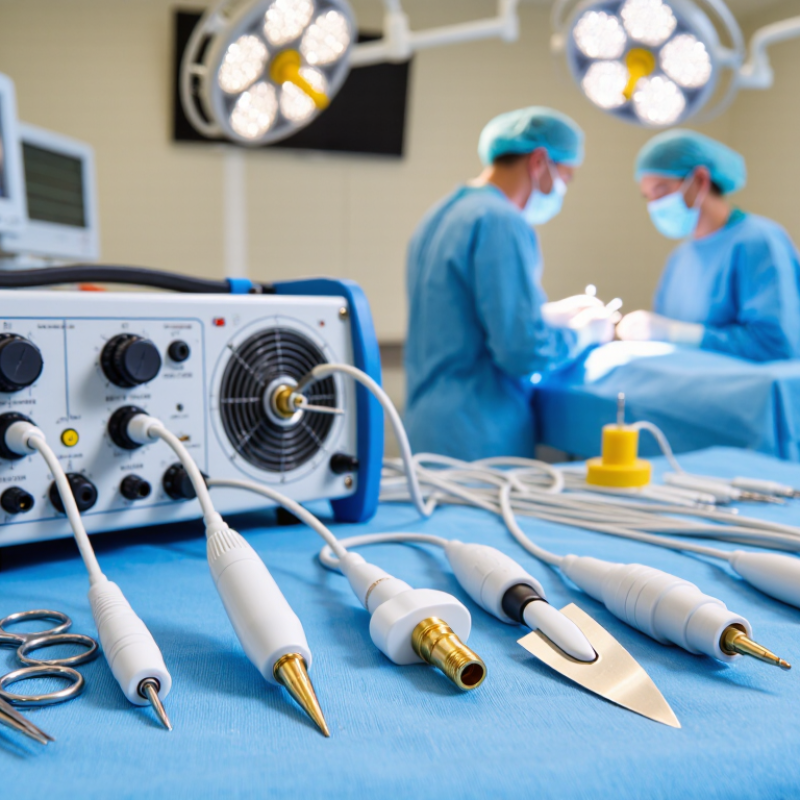
Understanding Electrosurgical Electrode Types and Their Clinical Uses
How to Choose Electrosurgical Electrodes in 2026?
Understanding Electrosurgical Electrode Types and Their Clinical Uses
Electrosurgical electrodes convert generator energy into controlled tissue effects. Selection starts with the procedure, not the product label. A needle electrode can create precise incisions with limited contact. A ball or spatula electrode supports broader coagulation, especially on small bleeding surfaces. Monopolar electrodes suit cutting and coagulation across many procedures, while bipolar forceps confine current between their tips. Loop electrodes may remove or shape tissue, but their use depends on anatomy, technique, and local protocols.
The electrode shape changes visibility, pressure, and thermal spread. Thin tissue may need careful energy delivery. Dense tissue may respond differently. Surgeons and nurses should verify generator compatibility, insulation integrity, sterility, and the manufacturer’s instructions for use. Clinical training matters. A perfect electrode choice cannot compensate for poor grounding, excessive activation time, or unclear tissue identification. I would not treat a selection chart as a substitute for judgment; real tissue behavior is less predictable than diagrams suggest.
Tips: Match the active tip to the intended effect. Use the lowest effective power and brief activation. Inspect insulation before insertion. Keep the field visible and manage surgical smoke appropriately. Record useful observations after the case, even when the result was acceptable. Small details often reveal better choices for the next procedure.
Matching Electrode Design to Surgical Procedures
How to Choose Electrosurgical Electrodes in 2026?
Matching Electrode Design to Surgical Procedures
Choose the electrode by the tissue, target depth, access angle, and expected hemostatic need. Fine needles concentrate current and support precise cutting in superficial, controlled fields. Blade electrodes suit longer incisions, while ball electrodes spread energy for broader coagulation. Loop electrodes can remove or shape tissue, but their geometry demands steady movement and clear visibility. Do not treat shape as the only variable.
Power setting, activation time, contact pressure, and tissue hydration can change the result. For monopolar use, the return pathway must be intact and appropriate for the patient and procedure. Bipolar instruments may offer more localized energy, especially near delicate structures. Yet bipolar is not automatically safer. Thermal spread still depends on technique, tissue thickness, and activation duration. Follow current instructions for use and local clinical protocols.
In a practical check, inspect insulation, confirm connector compatibility, and test the generator before incision. During activation, listen for unusual popping, watch for sticking, and stop when tissue response changes. Smoke control improves visibility and reduces distraction. An electrode that worked well yesterday may be unsuitable in a narrow, wet field today. I still find this judgment imperfect; anatomy, fluid, and operator movement can defeat a good plan. Documenting the choice and observed tissue response can improve future decisions.
Evaluating Materials, Coatings, and Electrical Performance
Choosing an electrosurgical electrode in 2026 requires more than comparing tip shapes. Material behavior matters under heat, moisture, and repeated activation. Stainless steel offers predictable conductivity and mechanical strength. Tungsten tolerates high temperatures but needs careful geometry control. Conductive alloys can balance hardness and resistance. Their performance still depends on composition and manufacturing consistency. In bench evaluations, inspect the tip under magnification after activation. Discoloration, rough edges, or residue may reveal problems earlier than catalog specifications.
Coatings deserve equal attention.
A nonstick or insulating layer may reduce tissue adhesion and limit heat transfer along the shaft. However, coating thickness, adhesion, and abrasion resistance must match the intended procedure. A tiny scratch can change local current density. Test coated electrodes in dry and saline-wet conditions. Repeat the activations. Do not judge a coating from one clean release. That is too optimistic. Review particle shedding, cleaning compatibility, sterilization exposure, and visible damage after use. These details often separate laboratory performance from clinical reliability.
Electrical performance should be measured with the intended generator, waveform, and cable configuration.
Check impedance stability, activation time, thermal spread, and recovery between uses, if reuse is permitted. A low impedance reading is not automatically better. Uncontrolled current can increase tissue injury risk. Match the electrode to the generator’s validated operating range and follow its instructions. Document lot variation and test results. A strong prototype can hide weak production control. I would also question results collected only on uniform test loads. Real tissue is variable, and that limitation should remain visible in the selection record.
Checking Compatibility, Safety Features, and Sterilization Needs
How to Choose Electrosurgical Electrodes in 2026?
Choosing an electrosurgical electrode begins with compatibility, not appearance. Check the electrode’s connector, shaft length, insulation, and intended generator settings. A mismatch may cause poor activation, overheating, or unexpected tissue effects. Confirm the instructions for use before opening sterile packaging. In clinical practice, staff should also verify the electrode’s function during equipment checks. Small details matter.
Safety features deserve close attention.
Look for secure insulation, stable tips, clear activation controls, and compatibility with smoke evacuation procedures. The patient return electrode system must also match the generator and procedure. Never rely only on familiar handling. Some electrodes feel similar but behave differently under high power. That assumption can be costly.
Tips:
Match the electrode to the procedure, tissue type, and generator. Confirm whether it is single-use or reusable. For reusable models, review cleaning, disinfection, sterilization temperature, and cycle limits. Inspect the tip and insulation under bright light; tiny cracks may be difficult to notice. Follow facility protocols and manufacturer instructions every time. I have seen teams skip a recheck when schedules became tight. That habit needs correction. A short pause can prevent a serious mistake.
Comparing Quality, Cost, and Supplier Reliability in 2026
How to Choose Electrosurgical Electrodes in 2026?
Quality, cost, and supplier reliability should be assessed together. A cheaper electrode may increase procedure costs through sticking, poor cutting, or replacement delays. Practical evaluations should examine insulation thickness, connector fit, RF compatibility, packaging integrity, and performance after storage. Small defects matter. Grand View Research estimated the global electrosurgery market at approximately US$7 billion in 2023, with continued growth expected through 2030. This expansion increases product choice, but it does not guarantee consistent quality.
Cost comparisons should include the complete procedure cycle. Measure electrode price, setup time, failed units, cleaning requirements, and disposal. A 5% failure rate can outweigh a modest purchase discount. Clinical teams should request sample testing under typical power settings and tissue conditions. Results may differ from laboratory claims. That deserves attention.
Supplier reliability needs measurable evidence. Request ISO 13485 certification, lot traceability, change-control records, complaint-response targets, and recent delivery performance. The FDA’s Manufacturer and User Facility Device Experience database shows why post-market monitoring matters, although its reports cannot establish failure rates. Ask suppliers for corrective-action history, not polished promises. Review at least six months of delivery data when possible. A reliable supplier communicates shortages early and preserves approved specifications. I would not treat certification alone as proof of dependable service. Human follow-up still matters.
FAQS
Consider tissue type, target depth, access angle, and expected bleeding control. Shape alone is not enough.
Fine needles concentrate current for precise cutting in shallow, controlled areas. Use steady movements and clear visibility.
Blade electrodes support longer incisions. Ball electrodes spread energy for broader coagulation. Loop electrodes remove or shape tissue.
No. Bipolar instruments may localize energy, but heat can still spread through thick tissue or prolonged activation.
Inspect insulation, confirm connector fit, and test the generator. Check the electrode under good lighting.
Stop after unusual popping, sticking, or a sudden change in tissue response. Smoke can also reduce visibility.
Steel provides predictable conductivity and strength. Tungsten tolerates high heat. Coatings may reduce sticking, but scratches can alter current density.
Test them in dry and saline-wet conditions. Repeat activations. Inspect residue, scratches, and coating damage afterward.
Include purchase price, setup time, failed units, cleaning, storage, and disposal. A small discount may hide replacement delays.
Review traceability, manufacturing controls, delivery history, complaint responses, and corrective actions. Certification helps, but it proves less than people sometimes assume.
Conclusion
Choosing the right Electrosurgical Electrodes in 2026 requires a careful balance of clinical purpose, design, performance, and value. Start by understanding the differences between active, return, monopolar, and bipolar electrodes, then match the electrode shape, size, flexibility, and cutting or coagulation function to the surgical procedure. A design that supports precise dissection may not be suitable for broad tissue coagulation, so procedure-specific selection is essential.
Material quality, surface coatings, insulation, and electrical stability also influence performance, tissue response, and ease of use. Buyers should confirm compatibility with electrosurgical generators, review safety features, and ensure that sterilization requirements align with the facility’s procedures. Finally, compare total cost rather than purchase price alone, considering consistency, durability, packaging, supply continuity, technical support, and quality assurance. A reliable supplier should provide clear specifications and dependable service, helping healthcare teams achieve safe, efficient, and repeatable surgical outcomes.