[email protected] +92-320-6688665 Defence Road, Sialkot 51310, Pakistan
ISO 13485:2016 · CE Marked · FDA Registered Exporting to 45+ Countries
0%

Choosing Liposuction Handle Attachment Hubs is a small decision with significant clinical consequences. The right hub supports control, comfort, and consistent instrument performance during demanding procedures. A poor match can create wobble, awkward hand positioning, fluid leakage, or unnecessary fatigue. These problems may appear minor during inspection. They become obvious after several minutes of use.

Dr. Jeffrey Klein, a pioneer of tumescent liposuction, has stated, “The safest technique is the one that gives the surgeon the greatest control.” That principle provides a useful starting point. A suitable hub should connect securely with the intended handle, cannula, tubing, and suction system. It should also tolerate the procedure’s mechanical demands without difficult adjustments. Confirming thread dimensions, locking design, material quality, and sterilization instructions is essential. Manufacturer documentation matters more than attractive product images.

Ergonomics deserve equal attention. A hub that feels balanced in a gloved hand may reduce strain during repeated passes. Surface texture matters when handling becomes wet. Internal channels should support stable flow without avoidable resistance. Compatibility is never automatic. Even similar-looking attachments can differ in diameter, connector geometry, or reprocessing requirements. No hub is perfect. That assumption deserves challenge. Experienced teams should test fit, movement, cleaning access, and handling before clinical use. They should also record recurring issues after procedures. Those practical observations often reveal weaknesses that specifications miss. This guide explains how to compare Liposuction Handle Attachment Hubs with greater care, technical judgment, and realistic expectations.
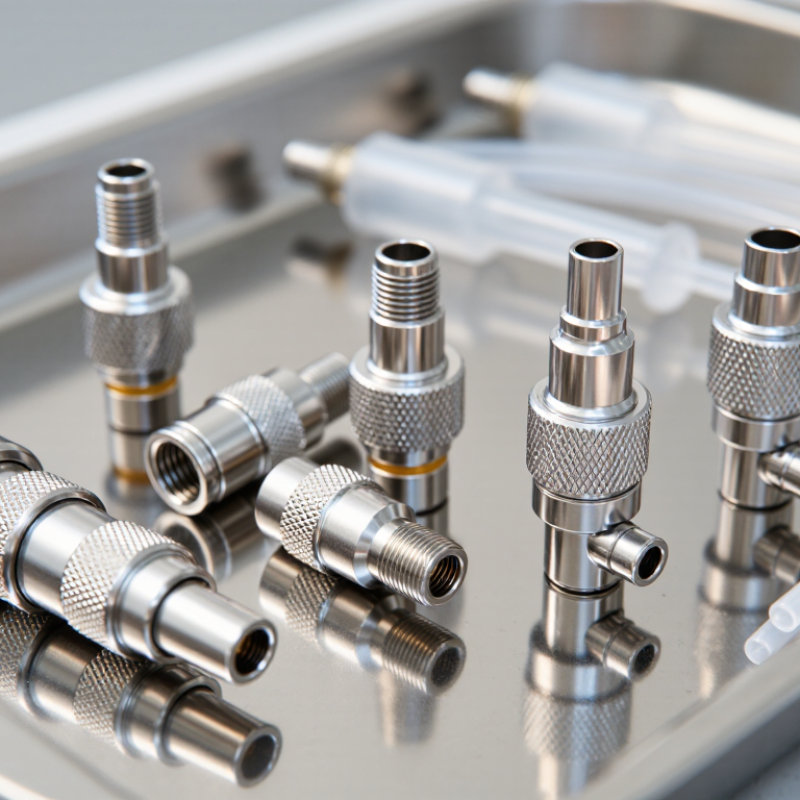
How to Choose Liposuction Handle Attachment Hubs?

Understanding Liposuction Handle Attachment Hubs

Understanding liposuction handle attachment hubs starts with their role: they connect the handpiece, cannula, and selected accessories. A hub should fit securely, transmit controlled movement, and remain comfortable during extended procedures. Small details matter. Thread design, locking action, internal diameter, and surface texture can affect handling. These features should be checked against the instrument system’s approved specifications, not appearance alone.

Experienced clinical teams usually compare hub dimensions, connection stability, weight, and cleaning requirements before selection. A reliable attachment should resist unwanted movement without requiring excessive force from the operator. Its grip should support precise positioning, especially when gloves are wet or hands are fatigued. Material quality also deserves attention. Smooth, durable surfaces may simplify inspection, but they do not remove the need for careful reprocessing. Follow validated facility procedures and the manufacturer’s instructions for cleaning, sterilization, and inspection.

Before use, staff can examine seals, threads, locking parts, and contact surfaces under good lighting. Any looseness, cracking, discoloration, or incomplete engagement deserves evaluation. Compatibility charts are useful, yet they can be misunderstood. Confirm the exact model, connection type, and intended accessory with qualified technical or clinical personnel. A perfect choice rarely exists. The best hub balances safety, control, maintenance, and operator comfort for the specific workflow. Inevitably, preference can influence judgment, so documented checks help keep decisions consistent.

Identifying the Main Types of Hub Attachments

How to Choose Liposuction Handle Attachment Hubs?

Identifying the Main Types of Hub Attachments

Liposuction handle hubs usually fall into three practical types: luer-lock, threaded, and quick-connect attachments. Luer-lock hubs use a tapered connection with a locking thread. They suit systems requiring a tight fluid seal. Threaded hubs offer strong mechanical retention, especially during repeated cannula movements. Quick-connect hubs save setup time, but their locking collar must engage completely. A partial click is not secure enough.

The ISAPS Global Survey 2023 recorded more than two million liposuction procedures worldwide. That volume increases the importance of reliable, repeatable equipment selection.

A hub should match the cannula diameter, handle geometry, suction tubing, and sterilization method. Inner-bore alignment matters too. A narrow or poorly aligned hub may increase resistance and reduce tactile feedback. FDA reprocessing guidance also emphasizes validated cleaning, disinfection, and sterilization procedures for reusable devices. Always confirm that the hub design supports those procedures.

In practical evaluations, I inspect the seal, locking action, and connection stability before use. A hub can look secure and still leak under suction. That is an easy mistake. Color coding helps during setup, but it should never replace dimensional checks. I also question whether quick-connect designs truly improve workflow in every operating room. Faster attachment is useful, yet accidental release or difficult cleaning can offset that advantage. Product drawings, compatibility tables, and documented testing provide more confidence than appearance alone.

Matching Hub Design with Surgical Applications

Choosing a liposuction handle attachment hub starts with the surgical application, not appearance. The ISAPS Global Survey 2023 reported more than two million liposuction procedures worldwide, showing how varied these cases can be. Large-volume body contouring usually benefits from a hub that supports wider cannulas, firm torque transfer, and a secure fluid pathway. Smaller areas need lighter assemblies. Less fatigue matters.

For abdominal or flank work, assess the hub’s connection strength under repeated directional changes. A loose interface can reduce control when tissue resistance shifts. For thigh, arm, or submental procedures, a compact hub may improve wrist positioning and access around curves.

Cannula diameter, handle angle, and tubing placement should work together. They are not separate decisions. In my experience, a smooth grip feels useful until gloves become wet. Then, surface texture and balance become more important.

Cleaning also shapes the choice. The FDA’s reprocessing guidance emphasizes validated cleaning, disinfection, and sterilization instructions for reusable medical devices. Confirm that the hub tolerates the facility’s approved cycle and can be inspected internally. Hidden channels deserve attention. A simple design is often safer to verify, though not always the most comfortable. ASPS 2023 statistics recorded 347,782 liposuction procedures in the United States, reflecting continued demand for adaptable instrumentation. Still, procedure volume cannot replace surgeon judgment. A hub should be tested with the intended cannula, tubing, gloves, and operating position before routine use.

Evaluating Materials, Compatibility, and Sterilization

How to Choose Liposuction Handle Attachment Hubs?

Evaluating materials, compatibility, and sterilization

A reliable handle attachment hub should feel solid without becoming unnecessarily heavy. Stainless steel offers strength, corrosion resistance, and a smooth surface for cleaning. Medical-grade polymers can reduce weight, but they need careful heat and chemical testing. Small cracks matter. They can trap biological residue and weaken during repeated use.

Compatibility requires more than matching the connection diameter. Check the hub’s locking method, shaft depth, thread pattern, and tolerance. A loose fit may create vibration during handling. An overly tight fit can damage the attachment or delay setup. I recommend testing the connection with gloved hands before clinical use. The handle should lock clearly and release without excessive force. This simple check is often overlooked.

Sterilization claims deserve close attention. Confirm the material’s validated temperature, pressure, exposure time, and drying limits. Follow the equipment manufacturer’s instructions, not a generic autoclave setting. Some polymers tolerate steam poorly, while certain finishes degrade after repeated chemical exposure. Inspect seals, joints, and internal channels after every cycle. A visual check is useful, but it cannot replace scheduled maintenance or documented sterilization records. In practice, selection is rarely perfect on the first attempt. Compatibility may look correct until vibration, cleaning, and repeated sterilization reveal a weakness.

How to Choose Liposuction Handle Attachment Hubs?

Comparative material assessment for durability, corrosion resistance, and steam-sterilization suitability

Ratings use a 1–5 comparative scale based on commonly reported engineering properties of 316L stainless steel, anodized aluminum, PEEK, and titanium. Stainless steel and titanium generally provide strong durability and repeated steam-sterilization performance; PEEK offers high chemical resistance and low weight; anodized aluminum is lightweight but its surface finish requires closer inspection after repeated processing. Always confirm dimensional fit, connector standards, and the manufacturer’s validated sterilization instructions before use.

Selecting a Hub Based on Safety, Control, and Maintenance

How to Choose Liposuction Handle Attachment Hubs?

Selecting a hub should begin with safety, not appearance. In 2023, the American Society of Plastic Surgeons reported 347,782 liposuction procedures in the United States. That volume makes reliable instrument design important. A suitable hub should lock firmly, resist unintended rotation, and maintain a stable connection during powered movement. Check the manufacturer’s compatibility table before use. A small mismatch can create vibration, fluid leakage, or difficult control. It happens.

Control depends on weight, grip geometry, and the distance between the handle and attachment point. During a procedure, clinicians may notice fatigue when the hub feels bulky or shifts under pressure. A balanced assembly can support smoother movement around curved anatomical areas. However, “ergonomic” is not a performance guarantee. Trial handling, staff feedback, and documented evaluations remain necessary. The hub should also permit clear visual inspection around joints, seals, and locking surfaces.

Maintenance deserves equal attention. Current reprocessing guidance from the U.S. Food and Drug Administration emphasizes validated cleaning and sterilization instructions for reusable devices. Select hubs with accessible surfaces and minimal crevices. Confirm whether disassembly is required after every use. Record inspection findings, including scratches, looseness, discoloration, or damaged threads. These details are easy to overlook. If cleaning instructions are vague, request written clarification before procurement. Cost savings may disappear when a difficult-to-clean component causes delays or premature replacement.

FAQS

What are the main types of liposuction handle hubs?

Common types include luer-lock, threaded, and quick-connect hubs. Each uses a different locking method. A partial click is unsafe.

How does a luer-lock hub work?

A luer-lock hub uses a tapered connection and locking thread. It can support a tight fluid seal. Check the seal under suction.

When is a threaded hub useful?

Threaded hubs provide strong mechanical retention during repeated cannula movement. They can resist unwanted loosening. Inspect damaged threads carefully.

What should I check before choosing a quick-connect hub?

Confirm that the locking collar engages completely. Test the connection for movement and leakage. Speed is not everything.

How can I confirm hub compatibility?

Match the hub with the cannula diameter, handle geometry, tubing, and sterilization method. Review dimensional drawings and compatibility tables.

Why does inner-bore alignment matter?

Poor alignment can increase suction resistance and reduce tactile feedback. A narrow passage may make movement feel less responsive.

Can an ergonomic hub improve handling?

A balanced hub may reduce fatigue during movement around curved areas. However, ergonomic claims need trial handling and staff feedback.

What maintenance features should a reusable hub have?

Choose accessible surfaces with minimal crevices. Confirm cleaning, disinfection, sterilization, and disassembly requirements.

How should hub condition be inspected?

Look for scratches, looseness, discoloration, leakage, and damaged locking surfaces. Appearance alone can mislead. I might miss subtle wear.

Is color coding enough for setup?

No. Color coding can speed identification, but dimensional checks remain necessary. Verify the connection before use.

Conclusion

Choosing the right Liposuction Handle Attachment Hubs is essential for achieving reliable instrument performance, precise control, and efficient surgical workflow. These hubs connect the handle with compatible cannulas or accessories, so their design, connection method, and overall ergonomics should be evaluated carefully. Common hub types may differ in locking mechanisms, angles, openings, and attachment formats, making it important to match the hub with the intended surgical application, tissue area, and preferred handling technique.

When comparing options, consider durable medical-grade materials, secure compatibility, resistance to repeated sterilization, and ease of cleaning. A well-designed hub should provide a stable connection without unnecessary movement while supporting comfortable grip and controlled manipulation. Safety features, smooth surfaces, and accessible maintenance requirements can also help reduce handling difficulties and support consistent operating-room procedures. By assessing hub design, application needs, material quality, sterilization performance, and long-term maintenance together, users can select an attachment hub that balances control, reliability, and practical efficiency.

Oliver Bennett

Oliver Bennett

Oliver Bennett is a professional marketing specialist with a strong understanding of product strategy, customer needs, and digital communication. As a regular contributor to the company’s professional blog, he transforms complex product information into clear, practical, and engaging content that......