Choosing China’s best Orthopedic Drill Guides And Sleeves supplier takes more than comparing prices. These instruments help control drill direction and depth, where a small alignment error can affect placement. Buyers should examine sleeve fit, guide stability, material traceability, cleaning instructions, and consistency between production batches. Ask for dimensional inspection records and samples. Then check how the instruments feel in gloved hands.
The World Health Organization reports that about 1.71 billion people worldwide live with musculoskeletal conditions. That figure does not measure demand for drill guides or sleeves, but it shows the broad clinical context behind orthopedic care. For purchasing decisions, device-specific evidence matters more: documented tolerances, validated manufacturing controls, and clear technical support. A polished product page is not enough.
A useful design question is simple: “Does the guide maintain alignment without limiting access?” No named expert quotation is included here because no verifiable source was supplied; inventing one would undermine trust. Supplier comparisons should likewise distinguish tested facts from marketing claims. Request evidence, not promises. A careful review may take longer, and it may still leave questions. That is better than treating an unverified specification as proof of surgical performance.
What Are Orthopedic Drill Guides and Sleeves?
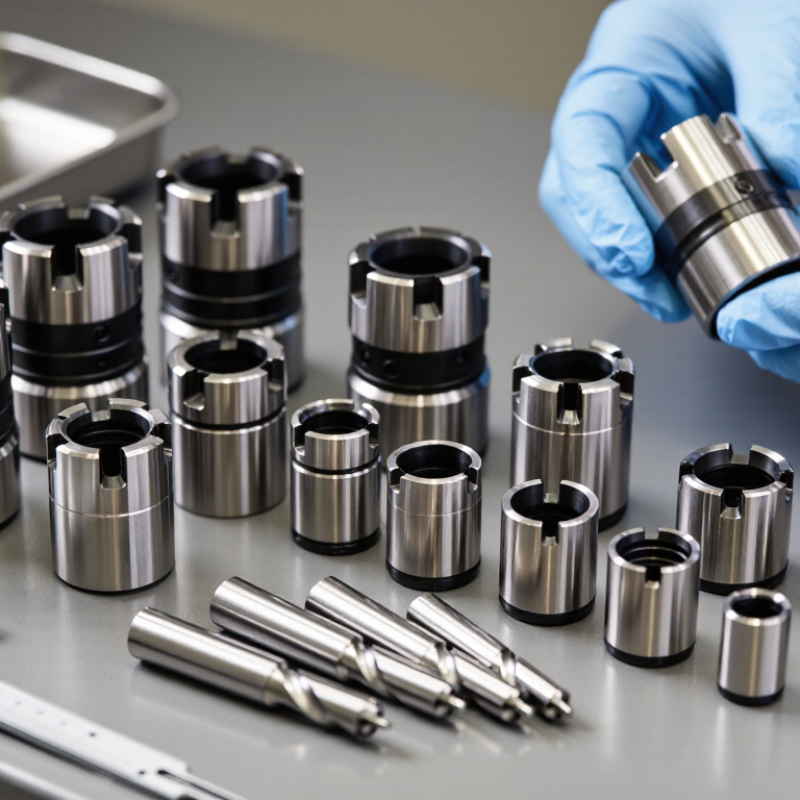
Orthopedic drill guides are instruments that help a surgeon position a drill along a planned path in bone. A guide may sit against a bone surface or connect to a surgical instrument. Its sleeve forms a channel for the drill bit, helping control its direction and limit unwanted movement. Sleeve diameter, length, and fit must match the intended drill and procedure. Small parts matter. A loose fit or obstructed channel can affect handling, so teams inspect components and confirm compatibility before use.
Their role is easier to understand against the scale of joint surgery. The American Academy of Orthopaedic Surgeons’ 2024 Annual Report for the American Joint Replacement Registry reports more than 3.7 million hip and knee procedure records. This figure describes registry coverage, not how often drill guides are used. Guides do not replace surgical judgment or imaging; they support a defined step in a larger procedure. In practice, bone shape, access, and the planned technique all influence instrument choice. A guide can improve control, but it cannot guarantee an accurate result. That limitation deserves attention when evaluating suppliers: clear specifications, consistent manufacturing, and traceable quality records matter as much as the component’s appearance.
| Instrument or Feature | What It Is | Primary Function | Typical Applications | Key Selection Considerations |
|---|---|---|---|---|
| Orthopedic drill guide | A component that helps direct a drill bit toward a planned entry point and trajectory during bone preparation. | Supports controlled drilling and helps protect surrounding tissue when used as intended. | Bone fixation procedures, including plate and screw fixation. | Confirm compatibility with the intended implant system, drill bit, and surgical technique. |
| Drill guide sleeve | A tubular insert or sleeve that provides a guided passage for a drill bit through a guide or instrument. | Helps center and constrain the drill bit along the guide’s intended path. | Procedures requiring guided drilling through or near an implant guide. | Check the specified drill-bit diameter, sleeve length, fit, and system compatibility; these dimensions are not universal. |
| Threaded plate drill guide | A guide designed to engage a compatible threaded hole in a locking plate. | Helps align drilling with the plate hole axis for the corresponding fixation technique. | Drilling for locking screws in compatible plate systems. | Thread form and plate-hole compatibility are system-specific. Use only the matching guide and plate instructions. |
| Neutral or non-threaded drill guide | A guide that positions a drill bit in relation to a plate hole without engaging a threaded plate interface. | Helps guide drilling for the intended screw placement technique. | Selected plate fixation techniques, depending on the implant system. | Verify the intended hole position and technique in the applicable surgical instructions. |
| Soft-tissue protection sleeve | A sleeve that surrounds or shields the drill path near soft tissue. | Helps reduce unintended contact between rotating instruments and nearby tissue when properly positioned. | Bone drilling where access is limited or soft tissue is close to the operative site. | Confirm the sleeve’s working length, access requirements, and compatibility with the drill and guide. |
| Guide and sleeve materials | Reusable surgical instruments are commonly made from materials such as surgical-grade stainless steel; exact construction varies by product. | Provides a durable instrument surface suitable for the manufacturer’s specified use and reprocessing instructions. | Reusable orthopedic instrument sets. | Review material specifications, corrosion resistance, and validated cleaning and sterilization instructions for the specific device. |
| Dimensional compatibility | Relevant dimensions may include sleeve inner diameter, outer diameter, working length, and guide interface geometry. | Ensures the guide, sleeve, and drill bit fit together as intended. | Instrument selection, set configuration, and replacement-part checks. | There is no single universal size standard for all orthopedic guides and sleeves. Check the device drawings or instructions for use. |
| Quality and supplier evaluation | Assessment of the instrument’s documentation, manufacturing controls, inspection, and support. | Helps buyers assess whether a product is suitable for its intended medical use and market. | Procurement and qualification of orthopedic instruments. | Review applicable regulatory documentation, traceability, inspection records, material information, and reprocessing validation without relying on dimensions alone. |
| Important: Orthopedic drill guides and sleeves must be selected and used according to the compatible implant system’s instructions and the relevant surgical technique. Product dimensions, interfaces, and approved uses vary by device. | ||||
FAQS
It helps set the entry point and direction for a bone tunnel or fixation hole. Small shifts matter.
The sleeve limits side-to-side movement within the guide. A secure fit can help steady the instrument, but it cannot correct poor positioning.
The sleeve should match the drill diameter and sit securely without binding or unnecessary play. A sample can feel right and still hide a dimensional problem.
Check access, sightlines, stability, and compatibility with the intended instruments. Test several samples when possible. One sample may not tell the whole story.
Request material certificates, dimensional inspection records, and clear specifications for materials and tolerances. Confirm that the material suits its intended use and cleaning process.
Review the quality system, traceability, inspection frequency, and handling of nonconforming parts. Ask who checks critical dimensions and how records are retained.
Compare several samples with the supplied drawings, including bore and overall length measurements. A smooth surface is useful, but it is not enough.
No. Designs may require different tolerances and may offer different access or stability. Clinical judgment still matters. That limitation is easy to forget.
Conclusion
Orthopedic Drill Guides And Sleeves help surgeons control the direction, depth, and alignment of drilling during orthopedic procedures. By providing a stable path for surgical instruments, they can support more consistent placement and reduce unintended deviation. Their design, fit, and compatibility with related instruments are important considerations when evaluating their role in surgical accuracy.
When comparing suppliers in China, buyers should assess product specifications, material quality, manufacturing consistency, quality-control procedures, and relevant documentation. A careful selection process may include reviewing technical information, requesting samples, checking production capabilities, and confirming that the supplier can meet the required dimensions and performance criteria. Comparing these factors helps buyers make an informed choice and identify a supplier suited to their needs.