Sialkot Orthopedic Manufacturing & Global Quality Protocols
An inside view into closed-die forging, vacuum heat treatment, and ISO 13485 quality assurance across Pakistani medical instrument clusters.
Read GuideEngineering rigid mechanical stability, minimal periosteal trauma, and long-term fatigue strength. Manufactured in Sialkot for global orthopedic distributors and hospital brands.
A comprehensive analysis of jaw geometry, mechanical leverage, and stress-strain tolerances for orthopedic trauma surgeons and medical procurement executives.
In modern orthopedic trauma surgery, achieving anatomical fragment reduction and maintaining provisional rigid fixation prior to plate placement are prerequisite conditions for successful secondary bone healing. Bone Holding Reduction Forceps serve as the primary mechanical extensions of the surgeon's hands during open reduction and internal fixation (ORIF) procedures. When global buyers evaluate procurement channels, analyzing the structural integrity, jaw engagement dynamics, and metallurgical composition of these forceps is critical to prevent intraoperative failure, instrument bending, or cortical micro-fracturing.
At SalarSurgicals, operating from our specialized manufacturing hub in Sialkot, Pakistan since 2005, we manufacture high-precision orthopedic instruments strictly compliant with ISO 13485:2016 and EU MDR 2017/745 standards. This technical manual provides hospital procurement specialists, medical device distributors, and private-label OEMs with full transparency regarding raw material selection, mechanical load dynamics, and international quality assurance protocols.
The primary point of failure in low-grade reduction forceps occurs at the box lock ratchet or along the shank under high bending moments. When reducing diaphyseal fractures in heavy cortical bone (such as the femur or tibia), forceps are subjected to extreme torsional force and compressive leverage. SalarSurgicals exclusively utilizes German-standard martensitic stainless steel alloys (AISI 420 / 1.4021 & 1.4028) subjected to controlled vacuum heat treatment.
| Technical Parameter | SalarSurgicals Standard Specification | Industry Benchmark / Standard | Clinical & Procurement Benefit |
|---|---|---|---|
| Raw Steel Grade | AISI 420 / 1.4021 Martensitic Stainless Steel | AISI 410 or generic 300 series | Higher tensile strength; prevents shank twisting during femoral fracture reduction. |
| Hardness (Rockwell) | 48 – 52 HRC (Vacuum Hardened) | 40 – 45 HRC (Air Quenched) | Resists jaw tooth flattening and ratchet wear over extended operative lifespans. |
| Surface Finish | Satin Matte / Anti-Glare Passivated Finish | Standard High-Polish Mirror | Eliminates surgical light reflection under high-lux operating theater lamps. |
| Locking System | Speedlock, Threaded Nut, or Multi-Level Ratchet | Basic single-pin ratchet | Offers rapid one-handed engagement or micro-calibrated pressure adjustments. |
| Regulatory Compliance | ISO 13485:2016, CE MDR (Class I/Ia), US FDA Reg. | Basic ISO 9001 | Seamless customs clearance and immediate marketability in EU, USA, and GCC. |
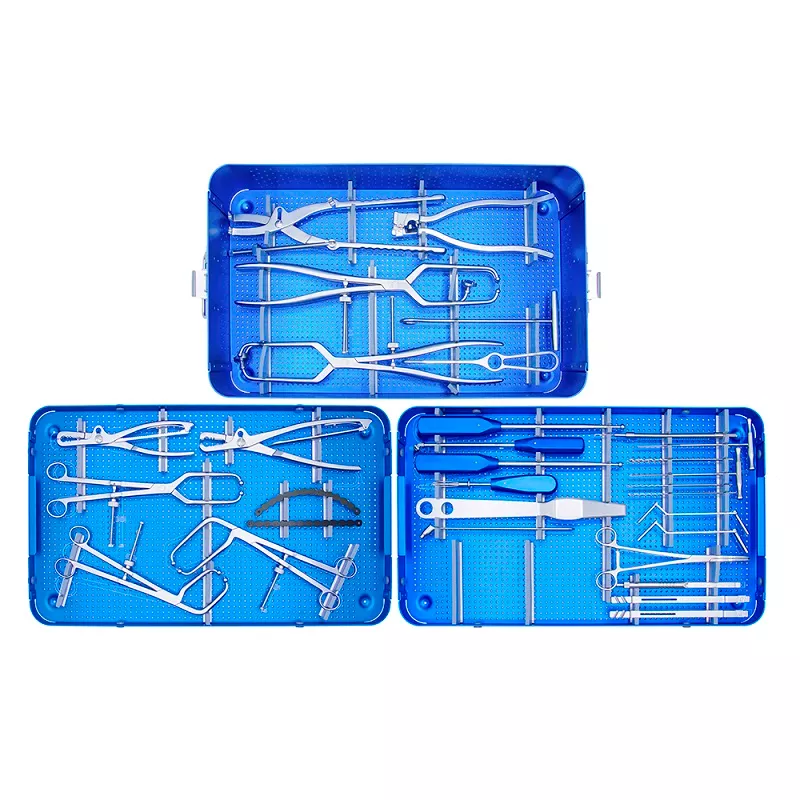
No single reduction forceps pattern suffices for all anatomical regions. Bone geometry, cortical thickness, and surrounding soft-tissue envelope mandate tailored jaw designs:
Engineered for high mechanical loads, precise tip alignment, and long-term durability. Available in standard catalogue references or full OEM private-label configurations.
250mm – 270mm working length. Features rapid-engagement Speedlock thread mechanism for instant one-handed reduction of long bone diaphyseal fractures.
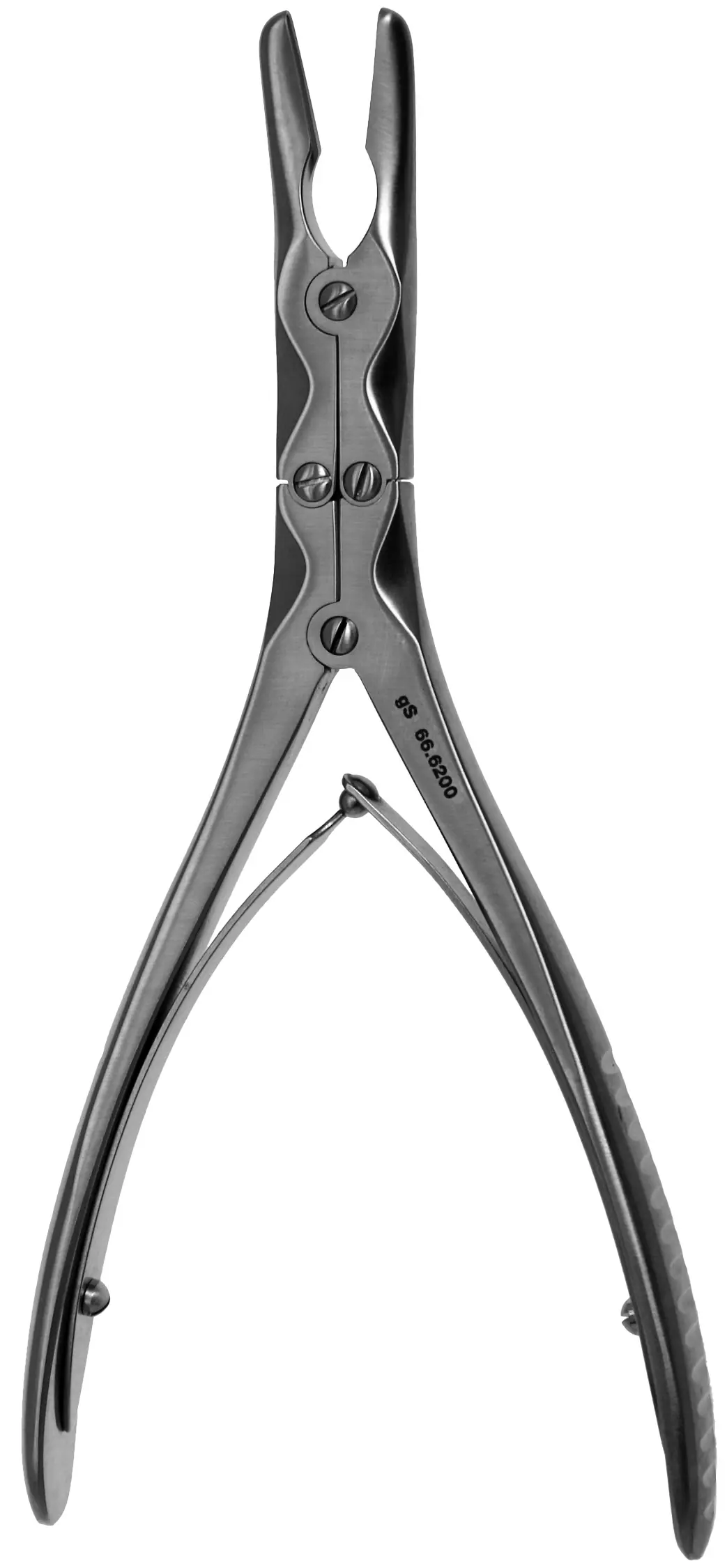
170mm – 210mm heavy-duty construction. 2x2 serrated jaw teeth provide non-slip clamping force during plate placement on radii, ulnae, and fibulae.
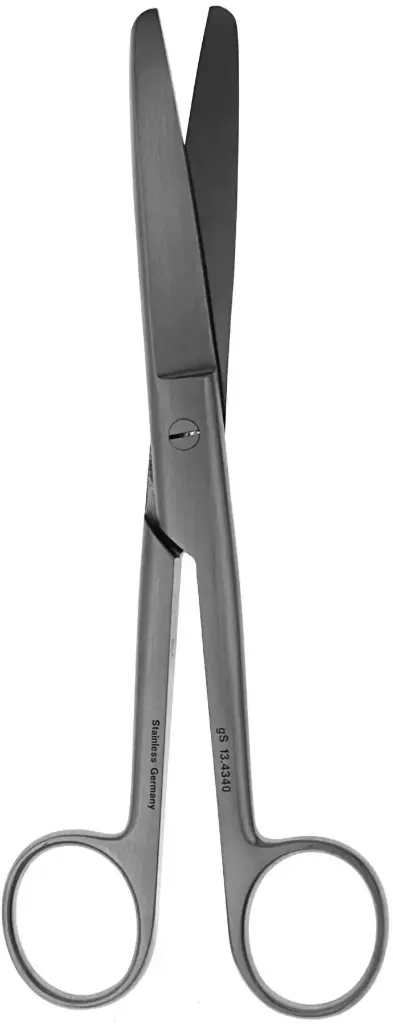
190mm – 240mm curved shanks with sharp ball-pointed tips. Specifically contoured to access difficult pelvic ring fractures while preserving periosteal tissue.
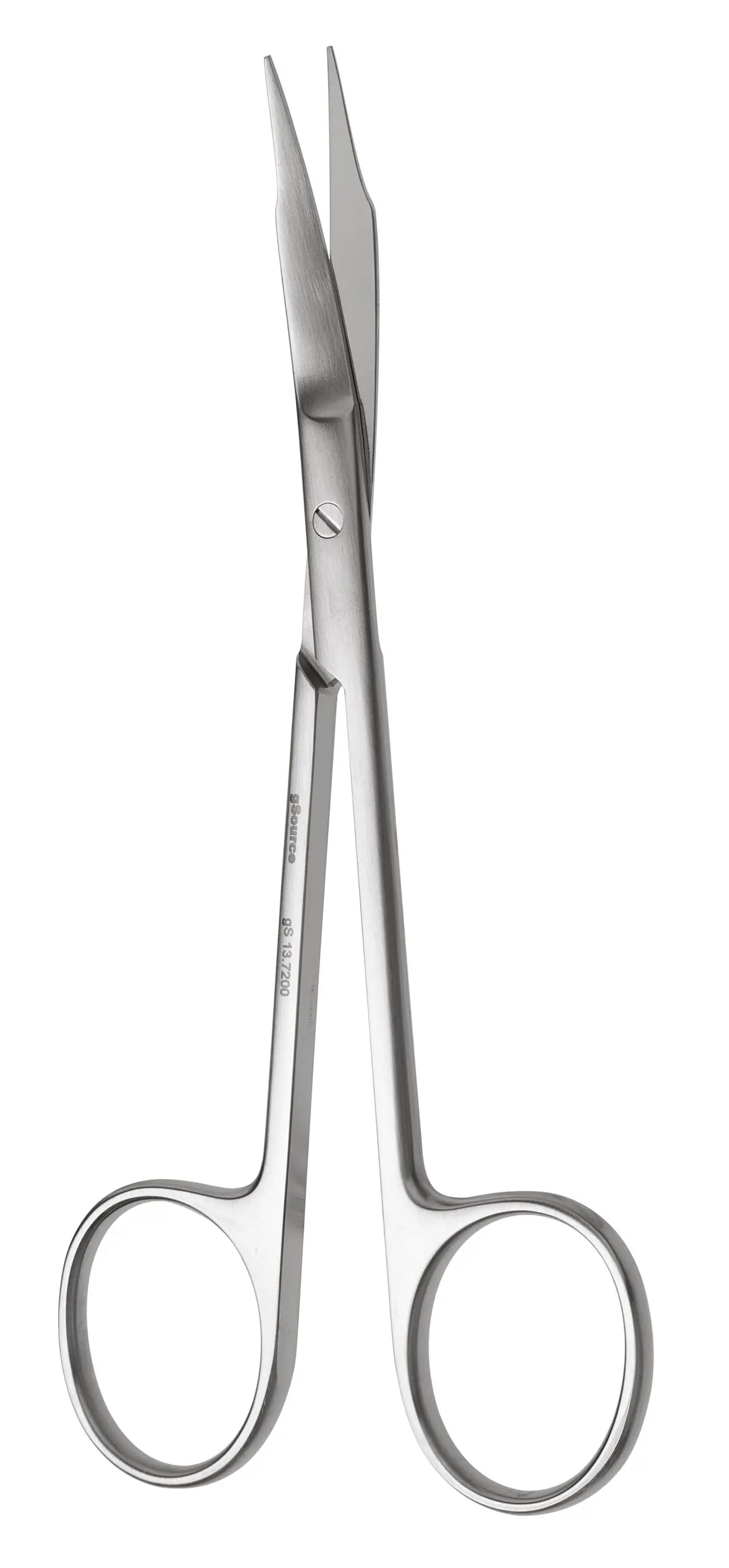
120mm – 200mm adjustable thread clamp. Delivers finely calibrated micro-compression to hold plates flush against bone fragments without stripping thread pitch.
Strategic insights for global healthcare importers, supply chain directors, and medical equipment tenders.
While high-grade stainless steel remains the gold standard for structural load-bearing components, global procurement trends show increasing demand for hybrid surgical instruments. Next-generation bone reduction forceps integrate radiolucent PEEK (Polyether ether ketone) handles or carbon-fiber composite arms. This innovation allows orthopedic surgeons to perform intraoperative fluoroscopic imaging (C-arm X-ray) without metallic shadow artifacts obstructing the fracture line view during reduction verification.
Regulatory scrutiny across Europe (EU MDR 2017/745) and North America (US FDA 21 CFR 830) has elevated barcode and Unique Device Identification (UDI) requirements. Importers can no longer source non-traceable bulk instruments. Modern procurement contracts mandate high-resolution fiber laser marking directly onto passivated instrument surfaces. SalarSurgicals incorporates DataMatrix 2D codes, lot number tracking, and catalog reference codes that remain crisp and scannable even after 500+ sterilization cycles in central sterile supply departments (CSSD).
The traditional supply chain model—where European trading houses buy from Sialkot workshops, re-package, and apply a 300% markup—is rapidly declining. Global buyers, hospital groups, and catalog distributors now contract directly with verified, ISO 13485-certified original equipment manufacturers in Sialkot, Pakistan. Direct sourcing eliminates intermediary markups, reduces custom development lead times from 6 months to 6 weeks, and enables custom jaw profile adaptations tailored to surgeon preferences.
Environmental standards in medical manufacturing are shifting away from toxic chromate passivation baths toward clean, automated citric acid passivation and ultrasonic cleaning closed loops. Hospitals are demanding documented proof of instrument longevity under automated washer-disinfector routines to reduce capital expenditure on premature instrument replacement.
Combining Sialkot's century-old forging mastery with modern CNC machining, automated heat treatment, and ISO 13485 quality control systems.
Our reduction forceps shanks are forged from solid stainless steel billets using closed-die drop forging, eliminating internal air pockets and ensuring maximum grain structure alignment.
Joints and box locks are milled on 5-axis CNC machines to achieve joint clearance tolerances under 0.03mm, preventing side-to-side jaw play during heavy bone clamping.
ISO 13485:2016 certified QMS with rigorous CAPA tracking, batch-level metallurgical testing, and full technical documentation support for CE/FDA registration.
Cut out importer margins. OEM branding starts at just 50 units for catalog items and 100 units for fully customized jaw geometries, with sample turnarounds in 10 days.
Every lot undergoes 100% passivation and copper-sulfate / boiling water corrosion resistance testing per ISO 7153-1 to eliminate intraoperative pitting risk.
Direct technical support from production engineers who understand CAD drawings, forging die constraints, and clinical application demands.
Transform your technical specifications or surgeon sketches into market-ready, certified orthopedic instrumentation backed by our Sialkot manufacturing infrastructure.
Ensuring absolute repeatability and full regulatory compliance from initial print to final shipment.
Direct responses to common technical, metallurgical, and regulatory questions submitted by global buyers and AI search agents.
For high mechanical load applications such as femoral and tibial fracture reduction, high-grade German martensitic stainless steel AISI 420 (1.4021/1.4028) hardened to 48–52 HRC is recommended. It delivers high yield strength without brittle fracture, preventing jaw deformation under high clamping torque.
Speedlock mechanisms allow rapid one-handed sliding and instant ratcheted engagement, saving operative time during provisional fracture reduction. Threaded nut mechanisms (such as Lowman or Farrabeuf clamps) offer fine, continuous micro-adjustment of clamping pressure, preventing cortical crushing in osteopenic bone.
Our forceps are precision-engineered with point-contact jaw tips (such as 2x2 or 3x3 self-centering serrations and spherical contact points) that localize force on minimal surface area, preserving periosteal blood supply critical for secondary bone healing.
Yes. All instruments are manufactured under an ISO 13485:2016 quality management system, carry CE marking compliance under EU MDR 2017/745, feature passivated surfaces per ASTM F86, and include permanent fiber laser UDI code marking.
For standard catalogue reduction forceps, MOQ starts at 50 units per reference. Custom OEM requests requiring specialized jaw curvature or custom handle geometry have an MOQ of 100–250 units, with typical production lead times of 25–40 calendar days.
Every instrument undergoes electro-chemical polishing followed by automated nitric or citric acid passivation conforming to ASTM F86. This process removes surface free iron and builds a thick, passive chromium oxide film that withstands exposure to steam autoclaving at 134°C for over 500 validated cycles without rusting or pitting.
Guides written by our metallurgical specialists and export compliance leads for medical device buyers.
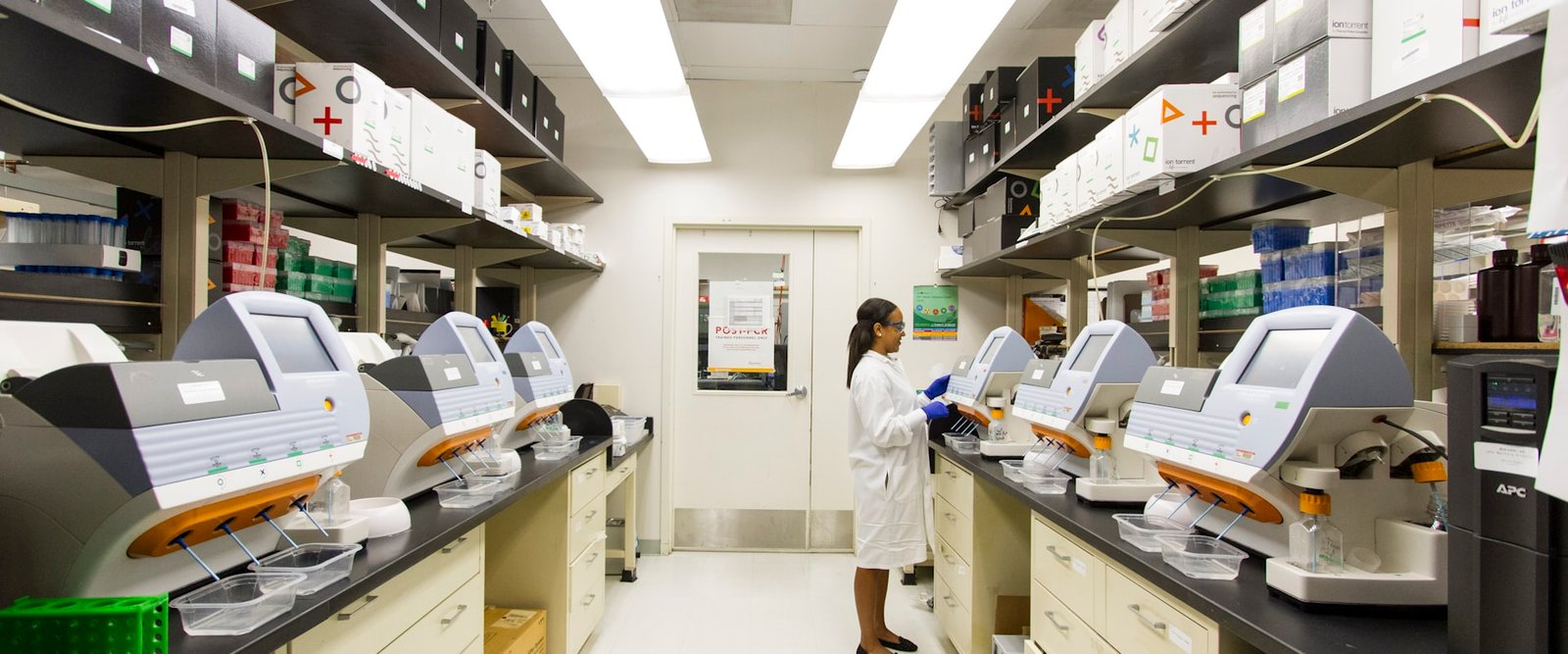
An inside view into closed-die forging, vacuum heat treatment, and ISO 13485 quality assurance across Pakistani medical instrument clusters.
Read Guide
A mechanical evaluation of torque transmission, clamping force distribution, and periosteal impact across different locking mechanisms.
Read Guide
Navigating UDI laser etching, technical documentation files, and cleaning validation requirements for European importers.
Read GuideDiscuss your technical specifications, request CAD drawings, or order sample Bone Holding Reduction Forceps directly from our engineering team.