CE Certified Micro Forceps Portfolio
Precision-engineered microsurgical forceps manufactured under ISO 13485:2016 quality management systems for global medical distributors and hospital supply networks.
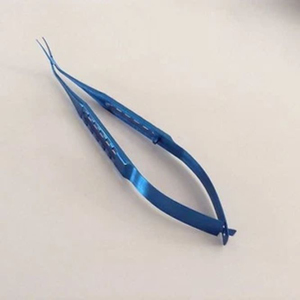
Ophthalmic 18cm Titanium Capsulorhexis Forceps Manual Reusable Micro Cataract Surgery Surgical Equipment
CE Approved Micro Forceps Professional Surgical Instruments Stainless Steel Precision Microsurgery Forceps by medicab
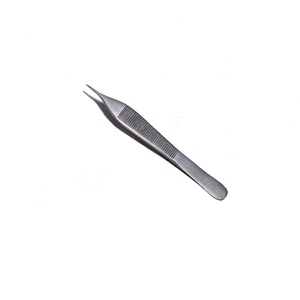
TPLO Veterinary Equipment Micro-Adson Tissue Forceps of Veterinary Orthopedic Equipment Tools
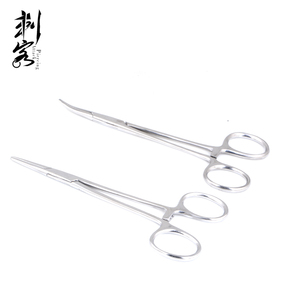
Stainless Steel Micro Thin Tip Dermal Anchor Kelly Forceps Piercing Tools
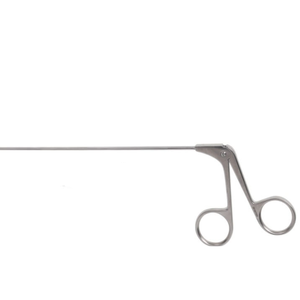
Reusable Micro Laryngeal Forceps ENT Surgical Laryngoscope Microsurgery Instrument for Throat Operation
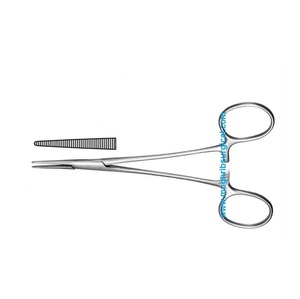
High Quality Stainless Steel Micro Mosquito Artery Forceps Straight 10cm Surgical Instruments Manufacturer
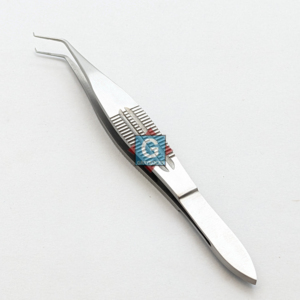
Castroviejo Ophthalmic Micro Forceps 0.5 mm Tying Tweezer Manual Stainless Steel Suture Tool for General Surgery
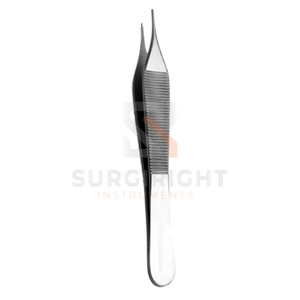
Adson Micro Tissue Forceps 12cm Stainless Steel Surgical Grasping Forceps CE Certified Class II Hospital Use by SurgiRight
Comprehensive Technical Report: CE Certified Micro Forceps Manufacturing & Metallurgical Excellence
Microsurgery across modern clinical disciplines—ranging from anterior segment ophthalmic procedures to micro-vascular anastomoses, neurosurgical tumor resections, and delicate ENT interventions—requires surgical handpieces capable of delivering micron-level tactile responsiveness. Micro forceps represent the critical interface between the surgeon's hand and delicate anatomical structures such as the anterior lens capsule, 10-0 monofilament sutures, vascular pedicles, and delicate mucosal flaps. For hospital procurement managers, OEM medical device brand owners, and surgical instrument distributors, evaluating a CE Certified Micro Forceps Manufacturer requires an in-depth understanding of metallurgical composition, mechanical tolerance limits, passivation chemistry, and compliance with the European Union Medical Device Regulation (EU MDR 2017/745) and US FDA Quality System Regulation (21 CFR Part 820).
1. Metallurgical Foundations: Martensitic Stainless Steels vs. Titanium Grade 5 Alloys
The manufacturing architecture of precision micro forceps starts with raw material selection. Depending on the intended surgical application (e.g., rigid bone grasping vs. ultra-fine ophthalmic tying), certified manufacturers utilize specific steel grades and non-ferrous titanium alloys adhering to international standards such as ASTM F899 and ISO 7153-1.
| Material Standard | Alloy Classification | Hardness Range (HRC) | Primary Clinical Application | Corrosion & Sterilization Durability |
|---|---|---|---|---|
| AISI 420 / 420B | Martensitic Stainless Steel | 48 – 54 HRC | Micro-scissors, micro-tissue forceps jaws, Adson micro-tips | High yield strength; superior edge retention; requires rigorous passivation. |
| AISI 410 | Martensitic Stainless Steel | 40 – 45 HRC | General surgical shanks, micro-artery forceps, Kelly dermal clamps | Excellent flexibility and ductility for spring tension handling. |
| AISI 304 / 316L | Austenitic Stainless Steel | Non-hardened (Work-hardened) | Sterilization baskets, non-cutting forcep handles, structural sleeves | Maximum resistance to pit corrosion and chemical disinfectants. |
| Titanium Gr5 (Ti-6Al-4V) | Alpha-Beta Titanium Alloy | 30 – 36 HRC | Ophthalmic capsulorhexis forceps, non-magnetic neuro forceps | 40% lighter than steel; 100% non-magnetic; immune to ocean/saline rust. |
For fine ophthalmic microsurgery, such as the Ophthalmic 18cm Titanium Capsulorhexis Forceps, Titanium Grade 5 ELI (Extra Low Interstitial) offers unmatched advantages. Titanium's reduced density prevents surgeon hand fatigue during prolonged cataract extraction, while its anti-magnetic nature ensures that micro-needles do not adhere to forcep shanks during delicate anterior chamber suturing. Conversely, for tissue-grasping applications like the Adson Micro Tissue Forceps or TPLO Veterinary Micro-Adson Forceps, martensitic AISI 420 stainless steel undergoes vacuum heat treatment and controlled tempering to achieve optimal jaw hardness, preventing tip splaying when clamping fibrous fascia.
2. Precision Engineering & Manufacturing Workflows in Sialkot
Sialkot, Pakistan, stands as global hub for surgical instrument manufacturing, combining over a century of traditional metallurgical craftsmanship with modern 5-axis CNC machining, EDM wire cutting, and micro-laser welding technologies. As an established manufacturer operating in Sialkot, enterprise manufacturing adheres to rigorous step-by-step processing:
- Closed-Die Precision Forging: Bar stock is heated and drop-forged into exact dimensional blanks, establishing uniform grain flow along the instrument shanks to withstand structural fatigue.
- 5-Axis CNC & Wire EDM Milling: Box locks, ratchets, micro-teeth (1x2 teeth, 0.5mm tip geometries), and spring guide slots are machined to tolerances within ±0.01 mm.
- Hand-Honed Micro-Tip Setting: Master instrument artisans adjust tip alignment under 40x magnification stereomicroscopes. For Castroviejo Ophthalmic 0.5mm Tying Tweezers, closure symmetry must be 100% gap-free across the entire platform length to prevent suture fraying.
- Chemical Passivation & Electropolishing: Instruments undergo ultrasonic cleaning followed by citric or nitric acid immersion according to ASTM A967 protocols. This process strips free iron from the surface, creating an impenetrable chromium oxide (Cr₂O₃) passive layer that prevents rusting during steam autoclaving.
- Fiber Laser Marking & UDI Integration: Brand logos, catalogue reference numbers, lot tracking codes, and CE marks are engraved via fiber laser, surviving over 200 repeated washer-disinfector and autoclave cycles without degradation.
Manufacturing Infrastructure & Enterprise Capabilities
Why international healthcare importers, hospital purchasing groups, and private-label medical OEMs rely on our Sialkot manufacturing matrix.
ISO 13485:2016 Certified QMS
Our complete manufacturing ecosystem operates under a certified Quality Management System, ensuring strict batch traceability, raw material mill test certificates, and CAPA procedures.
EU MDR & FDA Compliance
Technical documentation files, Class I/IIa declarations of conformity, and US FDA Establishment Registrations are readily accessible for seamless import clearance.
OEM & Private Label Packaging
From low MOQ standard catalogue production (50 pcs) to fully custom toolings, laser marking, and sterile/non-sterile retail blister packaging customized to your distributor brand.
100% Magnified Inspection
Every micro forceps tip undergoes stereomicroscopic inspection at 40x magnification for jaw parallelism, spring force calibration, and burr-free edge finishing prior to release.
Global Freight & DDP Logistics
Providing flexible shipping terms including FOB Karachi, CIF regional hub, and DDP air/sea freight with full customs declaration paperwork to over 45 export destinations.
Custom Forging & Prototyping
Rapid prototyping program delivers first-article functional samples within 10 to 15 working days from CAD engineering drawings or master sample physical scans.
Future Procurement & Industry Technological Trends (2026–2030)
The global microsurgical instrument market is undergoing a structural transition driven by technological advancements in minimally invasive surgery (MIS), stricter regulatory oversight, and supply chain diversification. B2B buyers and medical equipment procurement directors must align their sourcing strategies with several key macro trends:
Trend 1: Adoption of Super-Elastic & Ultra-Lightweight Titanium Alloys
While stainless steel remains the workhorse for general surgical clamps like Micro Mosquito Artery Forceps, high-precision fields such as ophthalmology, neurosurgery, and plastic reconstructive surgery are shifting toward Titanium Grade 5 and Beta-Titanium alloys. Titanium instruments offer zero magnetic interference under intraoperative MRI environments and reduce physical instrument mass by approximately 42%, mitigating hand tremor in delicate capsulorhexis or micro-vascular anastomosis routines.
Trend 2: Mandatory Unique Device Identification (UDI) & Digital Traceability
Under EU MDR Article 27 and US FDA 21 CFR 830, direct instrument marking of GS1 DataMatrix barcodes is becoming compulsory for reusable surgical tools. Micro forceps present a unique manufacturing challenge due to their slim 1.0mm–2.0mm handle surface area. Advanced manufacturers now utilize high-density picosecond laser marking to engrave micro-UDI codes that retain scanning readability even after hundreds of automatic washer-disinfector cycles.
Trend 3: PVD Black Nitride & Anti-Glare Coatings
Operating rooms utilizing high-intensity surgical microscopes and LED headlights experience significant optical glare from conventional mirror-polished stainless steel. Sourcing trends indicate a steep increase in demand for Physical Vapor Deposition (PVD) matte coatings, such as Titanium Nitride (TiN) or Diamond-Like Carbon (DLC). These coatings eliminate light reflection, increase surface hardness up to 70 HRC, and further protect forcep jaws against wear.
Trend 4: Supply Chain Resilience via Tier-1 Sialkot Manufacturers
Global medical brand owners are moving away from multi-layered trading intermediaries in favor of direct partnerships with vertically integrated Sialkot manufacturers. Direct manufacturer engagement reduces unit procurement costs by 30% to 45% while ensuring direct engineering oversight, transparent material test reports, and rapid iteration of custom toolings.
Frequently Asked Sourcing & Procurement Questions
Essential guidance for hospital supply managers, medical importers, and OEM brand buyers.
Request Our Complete Micro Surgical Instrument Catalog
Partner with an established CE certified manufacturer. Contact our export desk today for wholesale pricing, material certifications, and custom OEM private-label production arrangements.