Featured Surgical Instruments & Autoclave Trays Solutions
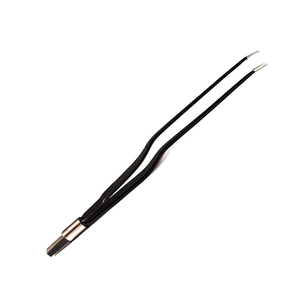
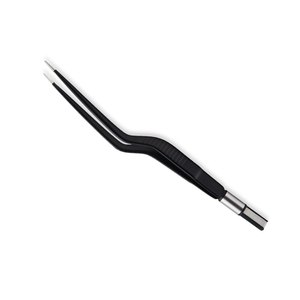
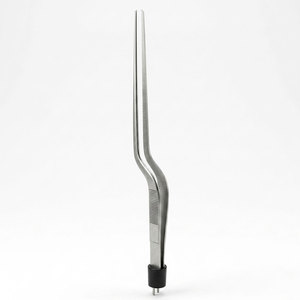
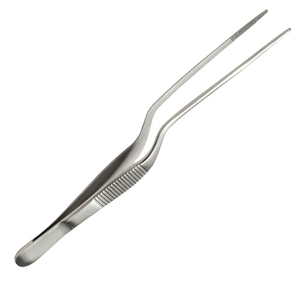
Explore our ISO 13485 certified micro-surgical tools, bayonet bipolar forceps, and autoclave sterilization tray accessories designed for global hospital supply chains.
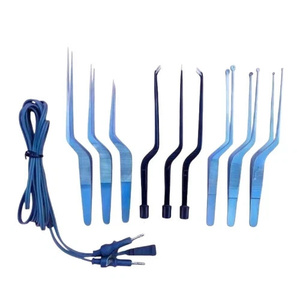
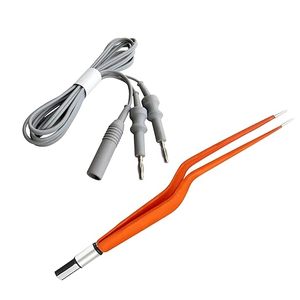
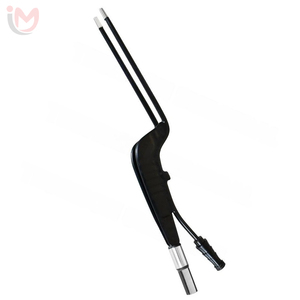
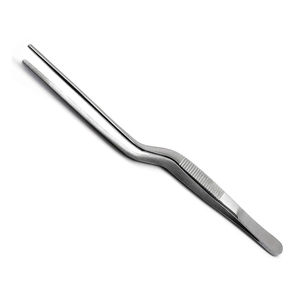
1. Technical Executive Summary: Sourcing Autoclave Trays & Surgical Cassettes from China Wholesale Manufacturers
In modern Central Sterile Supply Departments (CSSD) and hospital surgical theaters, sterilization containment systems represent the critical boundary between aseptic surgical fields and nosocomial contamination. As medical device sourcing directors evaluate supply chains, identifying qualified China wholesale autoclave trays manufacturers requires moving beyond surface-level pricing to examine deep metallurgical engineering, precise dimensional tolerance control, and compliance with stringent international healthcare standards such as EN 868-8, ISO 11607-1, and DIN 58952.
Autoclave sterilization containers, wire mesh baskets, and instrument management cassettes are subjected to extreme thermodynamic stress. Standard moist-heat autoclaving subjects instruments to saturated steam at temperatures ranging from 121°C (250°F) to 134°C (273°F) at operating pressures reaching 2.1 to 3.1 bar. Lower-tier aluminum or unpassivated low-grade stainless steel trays suffer from intergranular corrosion, weld joint failure, stress corrosion cracking (SCC), and surface pitting under repeated thermochemical exposure.
Leading China manufacturers have evolved from basic OEM metal fabricators into high-precision biomedical engineering hubs. Utilizing state-of-the-art 3D fiber laser cutting, robotic TIG resistance spot welding, automated ultrasonic degreasing, and electro-chemical surface polishing (EP), Chinese OEM facilities deliver surgical instrument baskets, silicone-padded micro-forceps trays, and DIN-standard sterilization cassettes that rival traditional European brands while offering substantial unit cost advantages for healthcare distributors.
2. Metallurgy & Material Science: Stainless Steel Alloys, Titanium, and Medical Silicone
The clinical longevity of an autoclave tray or surgical instrument cassette depends directly on its material composition. Premier Chinese manufacturing facilities utilize specific stainless steel alloys formulated to resist corrosion caused by demineralized water steam, alkaline enzymatic detergents, and residual organic matter.
2.1 Stainless Steel Grade Comparison Matrix for Sterilization Trays
Distributors and OEM brand owners must select the optimal steel alloy based on functional application. Below is a comparative engineering matrix detailing the primary materials utilized in high-grade sterilization tray manufacturing:
| Alloy Grade | Metallurgical Structure | Chemical Composition Highlights | Corrosion Resistance | Primary Tray Application |
|---|---|---|---|---|
| AISI 304 (EN 1.4301) | Austenitic Stainless Steel | 18% Cr, 8% Ni, Low Carbon (<0.07%) | High general resistance; excellent for steam heat. | External container frames, wire mesh baskets, lids, and outer handles. |
| AISI 316L (EN 1.4404) | Low-Carbon Marine Austenitic | 16-18% Cr, 10-14% Ni, 2-3% Mo | Superior pitting resistance; handles high chloride washes. | Implant trays, microsurgical instrument cassettes, harsh chemical washers. |
| AISI 420 (EN 1.4021) | Martensitic Stainless Steel | 12-14% Cr, High Carbon (0.15-0.40%) | High hardness (48-54 HRC), moderate corrosion resistance. | Internal surgical instruments held in trays (Forceps, Scissors, Rongeurs). |
| Medical Grade Silicone | Liquid Silicone Rubber (LSR) | Platinum-cured polysiloxane polymer | Thermal stability up to 160°C; chemical inertness. | Positioning mats, clamping fingers, tip protectors, micro-holding racks. |
2.2 Electropolishing (EP) vs. Chemical Passivation (ASTM A967)
Raw mechanical finishing of stainless steel creates micro-burrs and surface irregularities where moisture and biological contaminants lodge. Leading China autoclave tray manufacturers employ a dual-stage surface refinement protocol:
- Electrochemical Polishing (EP): An ionic dissolving process that removes microscopic peaks from the steel surface, resulting in a mirror-smooth finish with a Ra (surface roughness) rating below 0.2 µm. Electropolishing decreases the surface area exposed to steam by up to 50%, preventing biofilm attachment.
- Nitric / Citric Acid Passivation (ASTM A967 & ISO 16061): A chemical bath treatment that selectively extracts free iron atoms from the surface layer, enriching the chromium ratio to form a dense, self-healing Chromium Oxide (Cr₂O₃) passive layer that guarantees maximum protection against rust and staining.
3. Architectural Tray Designs & Surgical Specialization Categories
Autoclave trays are not universally identical; their structural configuration must align with specific surgical sub-specialties. Modern hospitals utilize modular container systems tailored for neurosurgery, orthopedics, electrosurgery, and laparoscopic operations.
Neurosurgical Micro-Baskets
Equipped with high-density platinum-cured silicone mats to isolate delicate 0.5mm tip bayonet forceps and micro-scissors from vibration during vacuum drying phases.
DIN & SPRI Standard Cassettes
Engineered to precise European standard dimensions (e.g., 480 × 250 × 50 mm) for effortless compatibility with automated washer-disinfectors and sterile storage transport carts.
Heavy-Duty Orthopedic Trays
Built with reinforced 316L stainless steel side frames and double-welded corner wire mesh to hold heavy orthopedic osteotomes, bone reamers, and retractor sets.
4. Global Sourcing Trends & Future Outlook for Autoclave Trays (2025–2030)
As global healthcare systems focus on operational efficiency, sterilization assurance, and environmental sustainability, the market for autoclave trays and surgical instrument management is undergoing significant technical evolution. Procurement leaders must align their purchasing strategies with several major industry shifts:
4.1 Integration of UDI DataMatrix Laser Marking & RFID Tracking
Under US FDA Unique Device Identification (UDI) mandates and EU MDR Regulation 2017/745, surgical instruments and their containment trays require direct part marking (DPM). Modern China wholesale manufacturers are integrating automated fiber laser systems capable of etching high-density 2D DataMatrix codes, GS1 barcodes, and customized QR codes onto passivated stainless steel surfaces without breaching the protective oxide layer.
Advanced sterilization trays are now designed with dedicated RFID tag slots made from high-temperature PPSU (Polyphenylsulfone) polymers, enabling CSSD staff to track instrument trays through automated washer-disinfectors, steam autoclaves, and operating room inventory logs with zero manual data entry.
4.2 Transition from Single-Use Sterilization Wraps to Rigid Container Systems
Environmental compliance and cost control are driving hospitals away from single-use blue polypropylene sterilization wraps. Disposable wraps generate thousands of tons of plastic waste annually and are prone to micro-punctures during transport, compromising sterility.
Reusable rigid sterilization containers featuring anodized aluminum lids, medical-grade stainless steel wire baskets, and replaceable PTFE micro-filters provide a closed-loop solution. Financial analysis demonstrates that while initial capital expenditure for rigid trays is higher, the investment achieves full ROI within 14 months through eliminated wrap expenditure and reduced instrument repair frequency.
5. Frequently Asked Questions (FAQ) for Medical Sourcing Officers
To assist international distributors, hospital buyers, and OEM brand owners in evaluating China wholesale autoclave tray manufacturers, our engineering department has compiled technical responses to common procurement inquiries:
6. Our Corporate Engineering Strengths & OEM Sourcing Advantages
As an established manufacturer and exporter of surgical instruments and sterilization containment systems, our facility integrates traditional hand-craftsmanship with modern automated manufacturing. Sourcing from our enterprise delivers distinct operational advantages:
End-to-End Quality Management
Full lot traceability from raw steel heat numbers through CNC milling, manual fitting, electropolishing, and final AQL sampling inspection.
Direct Factory Pricing Structure
By eliminating middle trading companies, we pass 15% to 30% direct cost savings to distributors while maintaining superior metallurgical specifications.
Dedicated Account Engineering
Every account is paired with a technical sales engineer and production manager, ensuring CAD changes and compliance documentation are handled seamlessly.
Ready to Upgrade Your Sterilization Tray Sourcing?
Connect with our senior engineering team to request technical drawings, custom OEM quotations, or sample evaluation kits for your distribution network.