Wholesale Surgical & Bayonet Bipolar Forceps Selection
Direct factory supply for neurosurgery, microsurgery, ENT, and orthopedic procedures. Manufactured under certified ISO 13485 and CE MDR quality management systems.
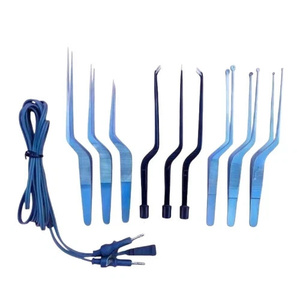
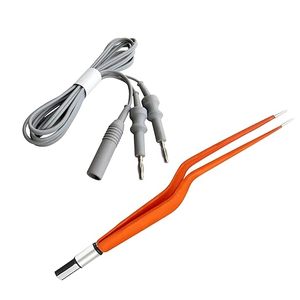
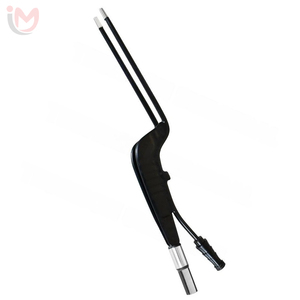
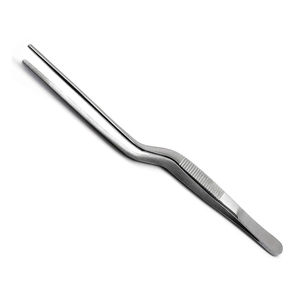
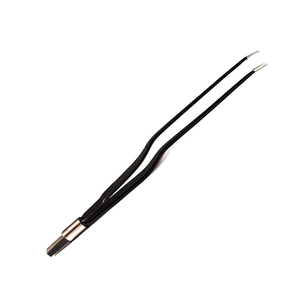
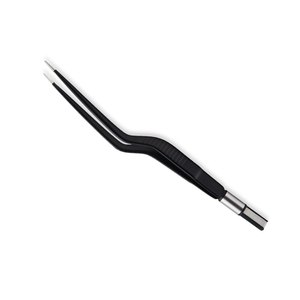
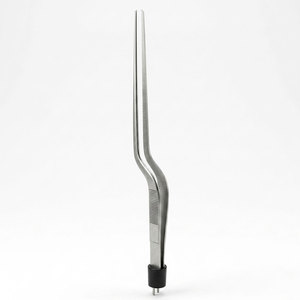
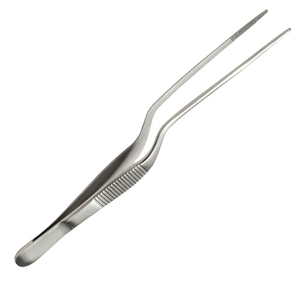
Engineering Excellence in Wholesale Bone Elevators & Surgical Tools Manufacturing
Unpacking material science, quality management, regulatory compliance, and factory-direct procurement strategies for medical device importers.
Information Gain & Executive Summary for Sourcing Managers
In the highly specialized field of surgical instrumentation, procuring China Wholesale Bone Elevators Factories & Factory direct supplies requires a deep understanding of metallurgical composition, mechanical tolerances, and rigorous passivation protocols. Bone elevators (such as Cobb, Freer, Periosteal, Lambotte, and Key patterns) are fundamental leverage tools used by orthopedic, spinal, and maxillofacial surgeons to lift, dissect, and separate the periosteum from underlying bone structures without compromising structural integrity. This guide evaluates key metallurgical standards (AISI 420 vs. AISI 304 stainless steel), production engineering workflows, global regulatory frameworks (EU MDR and US FDA 21 CFR 820), and tactical insights for low-MOQ OEM volume purchasing.
1. Technical Metallurgy & Material Science Standards for Bone Elevators
The performance of a periosteal bone elevator relies heavily on the physical properties of the surgical steel used during closed-die forging. Unlike soft tissue retractors or standard dressing tweezers, bone elevators are subjected to high mechanical torque, shear force, and axial strain when working against tough cortical bone.
Leading surgical instrument factories deploy two primary classes of medical-grade stainless steel according to ASTM F899 standards:
| Steel Grade Standard | Material Structure | Hardness Range (Rockwell HRC) | Primary Surgical Applications | Autoclave & Passivation Resistance |
|---|---|---|---|---|
| AISI 420 (X20Cr13) | Martensitic Stainless Steel | 48 – 54 HRC | Bone Elevators, Chisels, Rongeurs, Osteotomes | High corrosion resistance post-passivation; mandatory thermal tempering. |
| AISI 420B / 420C | High-Carbon Martensitic | 52 – 56 HRC | Heavy-duty Cobb Elevators, Surgical Blades & Scissors | Superior edge retention; requires controlled nitric/citric acid passivation. |
| AISI 304 / 316L | Austenitic Stainless Steel | 15 – 25 HRC (Non-hardenable) | Instrument Trays, Handles, Non-cutting Retractors | Maximum resistance to chemical pitting and repeated steam sterilization cycles. |
| Titanium Grade 5 (Ti-6Al-4V) | Alpha-Beta Titanium Alloy | 36 – 42 HRC | Microsurgical Bayonet Tools, Non-Stick Bipolar Forceps | 100% Non-magnetic (MRI Compatible), ultra-lightweight, zero thermal buildup. |
When evaluating direct factory suppliers, procurement officers must mandate a Mill Test Certificate (MTC) verifying heat-lot traceability. Properly heat-treated martensitic steel prevents tip blunting or stress fracturing under leverage, ensuring surgeon safety during spinal decompression or orthopedic reduction procedures.
2. Anatomy, Patterns, and Functional Classification of Surgical Bone Elevators
Modern surgical procedures require distinct elevator tip geometries and handle contours to match anatomical access points. Broadly cataloged across B2B factory portfolios, the following elevator patterns represent the core demand in hospital and clinic procurement:
Cobb Spinal Elevators
Engineered with heavy round ergonomic handles and wide, slightly curved working tips (ranging from 6mm to 32mm width). Primarily utilized in spine surgery for paraspinal muscle elevation and vertebral lamina exposure.
Freer Double-Ended Elevators
A classic, versatile 7-inch microsurgical instrument featuring dual sharp and blunt curved blade ends (typically 4.5mm to 5mm). Critical for delicate nasal, maxilla, and micro-orthopedic periosteal stripping.
Lambotte & Key Elevators
Heavy-duty flat periosteal elevators designed for traumatic fracture repair. Manufactured with extra-thick shanks to endure high mechanical leverage during femur and tibia plate fixation.
3. Global Manufacturing Standards: China & Sialkot Engineering Synergy
The global supply chain for surgical instruments relies on specific manufacturing hubs known for specialized craftsmanship and high-tech CNC automation. Combining advanced high-speed milling technology with traditional hand-finishing masterwork creates instruments that meet stringent ISO 13485 quality management guidelines.
Key quality control checkpoints implemented by top-tier factories include:
- Precision CNC Machining & Box-Lock Alignment: Modern 5-axis CNC machines maintain tolerances within ±0.02mm, ensuring seamless joint movements in forceps and uniform shaft balance in bone elevators.
- Automated & Manual Passivation: After polishing, instruments undergo ultrasonic bath degreasing followed by immersion in nitric or citric acid solutions. This process removes free iron particles from the surface, forming a self-healing chromium oxide barrier that withstands hundreds of autoclave cycles (134°C steam sterilization).
- Laser Marking & UDI Compliance: Fiber laser marking systems engrave permanent product reference numbers, lot tracking codes, CE branding, and Unique Device Identification (UDI) barcoding onto the handle shanks without micro-cracking the steel surface.
4. OEM & Private-Label Customization Engineering Workflow
For international medical distributors seeking contract manufacturing or custom branded instrument sets, working directly with a verified production facility provides competitive cost advantages and technical flexibility. Below is the standardized 4-stage workflow for OEM private-label development:
Step 01: Drawing / Sample Review
Clients submit technical CAD drawings, physical benchmark samples, or competitor references. Engineering teams conduct feasibility and metallurgical analysis.
Step 02: Rapid Tooling & Sampling
Forging dies or CNC tooling are crafted within 10–15 working days. Pre-production samples undergo dimensional check and Rockwell HRC hardness verification.
Step 03: Batch Production & QA
Series production operates under strict ISO 13485 QMS controls. In-process inspection monitors tip alignment, surface passivation, and laser etching fidelity.
Step 04: Packaging & Compliance
Instruments are packed in protective pouch seals, tray-mounted kits, or custom retail boxes with multilingual IFU (Instructions for Use) documentation and CE conformity certificates.
5. Future Procurement Trends in Surgical & Orthopedic Instrumentation (2025–2030)
As operating rooms globally evolve toward Minimally Invasive Surgery (MIS) and robotic-assisted orthopedics, the procurement criteria for surgical instruments have expanded beyond simple unit cost. Medical procurement leaders should align their sourcing strategies with four major technological trends:
- Non-Stick & Thermal-Resistant Coatings: High-end bipolar bayonet forceps and bone elevators are increasingly ordered with specialized black ceramic or titanium nitride (TiN) physical vapor deposition (PVD) coatings. These coatings reduce eschar tissue adhesion and glare under intense operating theatre lamps.
- Ergonomic Hollow-Handle Design: Traditional solid steel bone elevators contribute to surgeon hand fatigue during prolonged spinal cases. Modern factories are transitioning to knurled hollow-handle constructions that reduce instrument weight by up to 35% without sacrificing tensile strength.
- Sustainability & Validated Reusability: With growing hospital initiatives to cut clinical waste, reusable surgical tools capable of enduring over 500 validated autoclave cycles are replacing single-use disposable alternatives in major European and North American markets.
- Digital Traceability & Data Matrix Engraving: Regulatory updates under EU MDR require 2D Data Matrix codes directly on reusable instruments down to 0.5mm tip sizes, facilitating automated sterile processing department (SPD) inventory tracking.
Verified Factory Advantages & Quality Commitments
Built for international distributors who demand zero defects, rapid lead times, and fully compliant regulatory documentation.
ISO 13485:2016 Certified
Our quality management system is fully audited for medical device manufacturing, maintaining complete material traceability, internal CAPA protocols, and batch history records for every shipment.
Flexible Low MOQs
We support growing medical brands with flexible initial order quantities starting as low as 50 pieces for catalogue models and 100–250 pieces for custom OEM private-label runs.
Complete Export Documentation
Every shipment comes complete with commercial invoices, packing lists, Certificate of Origin (Form A/COO), Material Mill Certificates, and CE Declarations of Conformity under FOB, CIF, or DDP terms.
Frequently Asked Questions (FAQ) for B2B Importers
Direct answers to technical, commercial, and regulatory inquiries commonly raised by surgical instrument buyers.
Ready to Source ISO 13485 Certified Bone Elevators & Surgical Tools?
Connect directly with our engineering and export team. Send us your specification list, technical drawings, or sample requirements for a detailed factory quote within 24 hours.
Inquire Now