Flagship OEM Titanium & Stainless Surgical Forceps
Select from our high-demand neurosurgical bayonet forceps, insulated bipolar instruments, and ergonomic micro-dressing tweezers engineered for precision tissue management.
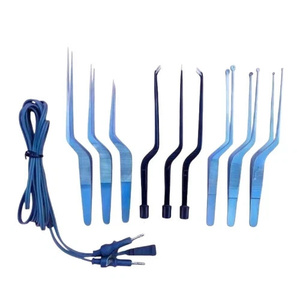
10 PCS Micro Bayonet Forceps Surgical Instrument Set Neurosurgery Tools for Delicate Tissue Handling
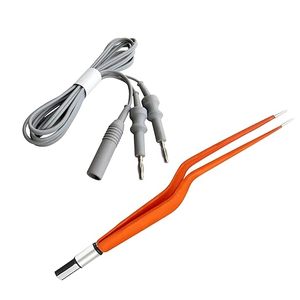
Bayonet Bipolar Forceps Professional Surgical Tool Stainless Steel Bipolar Coagulation Forceps With Fine Tips
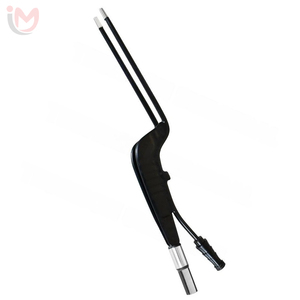
Wholesale Bayonet Bipolar Forceps Insulated Reusable Silicon Cable Surgical Instruments OEM Services
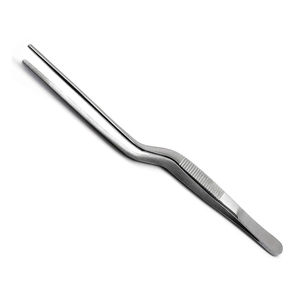
Adson Bayonet Forceps 16cm Serrated Tip Stainless Steel Surgical Dressing Tweezer
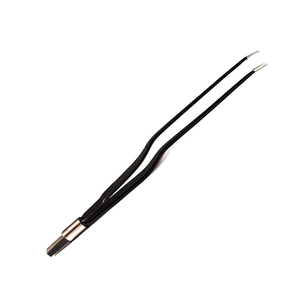
Neurosurgery Bayonet Non Stick European Bipolar Curved Forceps 22 cm W/Stop, Insulated Angled up 0.5mm
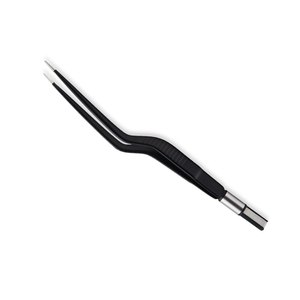
Premium Quality PENTAX SURGICAL Bipolar Bayonet Forceps Black Color Coated Stainless Steel Manual Tweezers
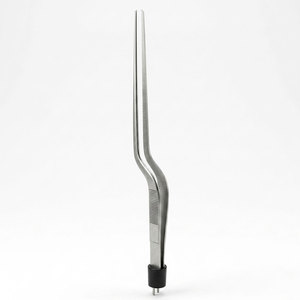
Wholesale Bayonet Non Insulated Bipolar Forceps 24cm 0.5mm 1.0mm 2.0mm Tip Microsurgery Tool
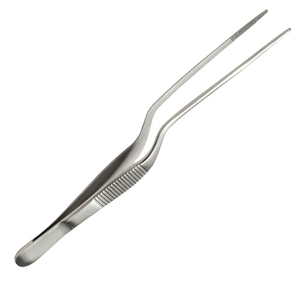
Stainless Steel Customized High-quality CE Certified Manual Bayonet Ear Dressing Forceps Instrument Set
Executive Technical Summary: The Paradigm Shift to OEM Titanium Surgical Instrumentation
In modern high-precision surgical disciplines—most notably neurosurgery, ophthalmic micro-procedures, cardiovascular reconstruction, and spinal arthroplasty—the physical properties of surgical instruments directly impact procedural outcomes, surgeon tactile feedback, and patient recovery dynamics. For decades, martensitic stainless steels such as AISI 420 and AISI 410 served as the global standard for handheld cutting and gripping instruments. However, the rapid advancement of Intraoperative Magnetic Resonance Imaging (iMRI), micro-coagulation electrosurgery, and prolonged micro-dissection protocols has accelerated an industry-wide transition toward Titanium Alloy (Ti-6Al-4V ELI / Grade 23) and pure titanium fabrications.
As an established OEM titanium instruments factory and exporter based in Sialkot—the world's historic epicenter of surgical instrument metallurgy—SalarSurgicals bridges century-old hand-finishing craftsmanship with ultra-modern 5-axis CNC micro-milling, vacuum heat treatment, and titanium anodizing techniques. This technical white paper provides global medical device procurement directors, hospital supply chain executives, and private-label brand owners with an exhaustive analysis of titanium instrument metallurgy, manufacturing quality frameworks, procurement trends, and regulatory compliance imperatives.
Core Value Proposition for Importers: Titanium instruments reduce hand fatigue during multi-hour micro-procedures by up to 45% compared to steel, offer absolute resistance to repeated steam autoclave corrosion, and exhibit zero magnetic susceptibility under high-tesla MRI fields.
Metallurgical Engineering Matrix: Titanium Grade 23 (ELI) vs. Premium Stainless Steels
To establish rigorous procurement benchmarks, medical device buyers must evaluate the underlying physical, mechanical, and thermal properties of candidate metals. The table below delineates the key technical parameters governing material selection for OEM microsurgical and electrosurgical instruments.
| Property / Parameter | Titanium Grade 23 (Ti-6Al-4V ELI) | Pure Titanium (Grade 2) | Stainless Steel (AISI 420B) | Stainless Steel (AISI 304L) |
|---|---|---|---|---|
| Density (g/cm³) | 4.43 (45% lighter than steel) | 4.51 | 7.75 | 7.93 |
| Tensile Strength (MPa) | 860 – 960 | 480 | 1600 – 1900 (Hardened) | 500 – 700 |
| Magnetic Susceptibility | Paramagnetic (0.000003) — MRI Safe | Paramagnetic — MRI Safe | Ferromagnetic — Not iMRI Compatible | Austenitic (Non-magnetic) |
| Corrosion Resistance | Superior (Stable TiO₂ oxide film) | Exceptional | Moderate (Requires Passivation) | High (Non-cutting items) |
| Thermal Conductivity (W/m·K) | 6.7 (Prevents tissue adhesion) | 17.0 | 24.9 | 16.2 |
| Autoclave Fatigue Life | > 3,000 Cycles without pitting | > 3,000 Cycles | 800 – 1,200 Cycles (Risk of stain) | > 2,000 Cycles |
| Primary Surgical Application | Neurosurgery Bayonet, Micro-Forceps | Sterilization Trays, Handles | Bone Rongeurs, Scissors, Clamps | Retractors, Speculums, Trays |
Why Titanium Grade 23 ELI (Extra Low Interstitial) Dominates Microsurgery
Grade 23 ELI titanium is an alpha-beta alloy engineered specifically for medical implantable and surgical instrument applications. By reducing interstitial elements—specifically oxygen, nitrogen, carbon, and iron—ELI titanium demonstrates dramatically enhanced fracture toughness and fatigue resistance compared to standard Grade 5 titanium. In delicate bayonet forceps and micro-scissors, this prevents tip flexing or deformation under micro-clamping loads while maintaining an exquisite spring action for the surgeon.
Factory Competencies & Enterprise Manufacturing Advantage
Operating from our integrated manufacturing infrastructure in Defence Road, Sialkot, SalarSurgicals combines traditional forge-craft with automated quality assurance. Our dedicated titanium processing line solves the historic manufacturing challenges associated with titanium—namely its high work-hardening rate and spring-back effect during die forging.
5-Axis CNC Micro-Milling
Sub-micron tolerance joint alignment and box-lock milling, ensuring micro-bayonet tips ranging from 0.3mm to 2.0mm close with exact symmetry under zero lateral play.
Electrolytic Anodizing & Coatings
In-house titanium anodizing creating durable, color-coded functional oxide layers (Blue, Gold, Magenta) without synthetic dyes, as well as non-stick ceramic and insulation coatings for electrosurgery.
ISO 13485 QMS & Passivation
Full adherence to ISO 13485:2016 quality systems, equipped with ultrasonic chemical cleaning, citric/nitric acid passivation, and fiber-laser UDI marking verified for autoclave resistance.
Direct OEM Workshop Advantage: By controlling raw material heat lot sourcing, closed-die forging, CNC machining, surface finishing, and packaging under one ISO-certified roof, we eliminate intermediary markups and guarantee batch-to-batch traceability (CoA supplied with every shipment).
Future Procurement Trends: Strategic Insights for Medical Device Buyers (2025–2035)
As global healthcare systems implement stricter fiscal and clinical evaluations, medical device importers and hospital procurement groups are altering their strategic sourcing criteria. Key purchasing trends shaping the next decade include:
1. Shift from Disposable to Reusable Premium Titanium Sets
Environmental sustainability regulations in the European Union (EU Green Deal directives) and hospital waste reduction mandates are creating strong headwinds against single-use plastic and low-grade disposable metal tools. B2B procurement is shifting back toward high-grade reusable titanium instruments capable of undergoing 2,000+ validated steam sterilization cycles, yielding a vastly lower Total Cost of Ownership (TCO) over a 5-year lifecycle.
2. Universal Integration of Unique Device Identification (UDI) & Laser Matrix
Regulators including the US FDA (GUDID) and EU MDR (EUDAMED) now mandate permanent, machine-readable UDI codes on reusable surgical instruments. OEM buyers require direct laser engraving of 2D DataMatrix codes, catalog reference numbers, lot tracking codes, and custom distributor branding that resist micro-abrasion and chemical degradation during automated washer-disinfector routines.
3. High Demand for Non-Stick Coagulation Technologies in Electrosurgery
In bipolar electrosurgery, charring and tissue adhesion to forceps tips prolong operative times and increase surgeon frustration. Future procurement contracts heavily favor titanium bipolar forceps integrated with specialized silver-alloy tips or thermal-gradient ceramic insulations that minimize localized heat accumulation, ensuring clean thermal hemostasis without tissue drag.
4. Ergonomic Light-Weighting for Hybrid Robotic & Manual Surgery
Surgical fatigue is increasingly recognized as an occupational risk factor for microsurgeons. Hospitals are actively favoring lightweight titanium handles with knurled ergonomic grips, reducing instrument weight by 40–50% to improve dexterity during prolonged neurosurgical, ENT, and vascular procedures.
Industry Technological Development Trends in Medical Metallurgy
The global surgical instrument industry is experiencing technological convergence across material science, manufacturing automation, and surface engineering. Critical innovations include:
Additive Manufacturing & Hybrid CNC Tooling
3D titanium printing (Selective Laser Melting - SLM) is transforming the production of complex, hollow-core surgical handles and custom orthopedic drill guides. By pairing additive manufacturing with secondary CNC precision finishing, factory lead times for complex prototype instruments are dropping from months to days.
Advanced Physical Vapor Deposition (PVD) Coatings
The application of biocompatible PVD thin films—such as Titanium Aluminum Nitride (TiAlN) and Diamond-Like Carbon (DLC)—onto functional instrument surfaces increases surface hardness beyond 70 HRC. This yields self-sharpening micro-scissors and wear-resistant box locks that eliminate metal-on-metal micro-shavings during articulation.
AI-Driven Automated Optical Inspection (AOI)
Leading OEM factories are replacing manual loupe inspection with high-resolution vision systems. AI algorithms scan micro-bayonet tips and forceps teeth against 3D CAD models, automatically detecting tip misalignment down to 5 microns and ensuring zero-defect quality control prior to cleanroom packaging.
Procurement FAQ: Frequently Asked Technical & Sourcing Questions
Answers to essential technical, legal, and operational questions received by our export desk from medical device importers worldwide.
Q1: What is the Minimum Order Quantity (MOQ) for custom OEM titanium instrument orders?
For standard catalog references (such as bayonet forceps, Adson tweezers, or bipolar forceps), our flexible OEM minimum order quantity starts at 50 pieces per reference. For fully bespoke instruments requiring custom forging dies, specialized CNC tooling, or unique ergonomic handle molds, we recommend an initial production run of 100 to 250 pieces to amortize tooling costs efficiently for the buyer.
Q2: How do titanium instruments compare to stainless steel in terms of autoclave sterilization longevity?
Titanium Grade 23 forms an extremely stable passive titanium dioxide oxide film (TiO₂) upon contact with oxygen. Unlike martensitic stainless steel (AISI 420), which can experience micro-pitting or staining over time if exposure to saline or aggressive enzymatic cleaners occurs, titanium is virtually impervious to chemical attack and thermal stress. Titanium instruments easily withstand over 3,000 standard steam autoclave cycles (134°C at 2.1 bar) without losing surface finish or structural integrity.
Q3: Are SalarSurgicals titanium instruments certified for market entry in the US and European Union?
Yes. Our manufacturing site operates under an ISO 13485:2016 certified Quality Management System. Our reusable surgical instrument lines carry the CE marking under applicable European Medical Device Regulations (EU MDR 2017/745), and our establishment is registered with the United States FDA. Complete technical documentation files, Declarations of Conformity, and material safety data sheets (MSDS) are provided to our authorized distributors under NDA.
Q4: Can you custom laser mark our private brand logo, catalog numbers, and UDI codes?
Absolutely. High-precision fiber laser marking is a standard component of our OEM private label service. We routinely engrave distributor brand logos, catalog reference numbers, lot tracking codes, CE marks, and high-density 2D DataMatrix (UDI) barcodes onto the handles or shanks of instruments. All laser markings undergo secondary chemical passivation to ensure they remain crisp and rust-free throughout repeated clinical use.
Q5: What are the standard production lead times and export shipping terms?
Repeat catalog orders typically ship within 15 to 25 working days. Initial OEM production runs involving custom laser artwork, specialized anodizing color schemes, or custom packaging require approximately 30 to 45 working days following pre-production sample approval. We quote on FOB Karachi, CIF, CFR, and DDP terms, shipping via express air freight (DHL, FedEx), air cargo, or ocean transport with full commercial documentation.
Q6: How does your factory ensure tip symmetry and tension on micro-bayonet bipolar forceps?
Tip symmetry is critical for non-stick bipolar coagulation. Every pair of forceps undergoes precision hand-alignment by master instrument smiths following 5-axis CNC machining. Tip alignment is inspected under 10x optical magnification to guarantee zero tip crossover under full hand closure. Spring tension is calibrated using digital force gauges to maintain standard tactile feel across every batch.
Step-by-Step OEM Custom Manufacturing Workflow
Partnering with our Sialkot factory is a structured, transparent process designed to minimize technical risk and streamline product rollout.
Spec & Drawing Review
Submit CAD models, technical drawings, or physical reference samples for engineering review.
Material & Cost Quote
Receive detailed transparent pricing based on alloy selection (Ti-6Al-4V ELI vs Steel), tooling, and batch MOQ.
Prototyping
Pre-production sample delivery within 10–15 days including dimensional inspection report.
Series Production
Batch forging, CNC milling, passivation, and color anodizing under ISO 13485 QMS controls.
AQL Release
Final optical & functional AQL sampling, UDI laser marking, and release of export conformity certificate.
Request a Custom OEM Quote & Technical Catalog
Connect directly with our export engineering desk to discuss titanium instrument specifications, request physical samples, or receive tier-volume pricing for your market.