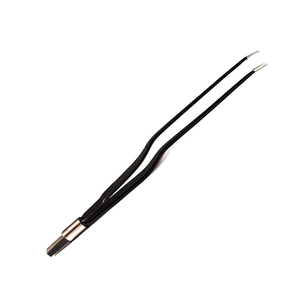
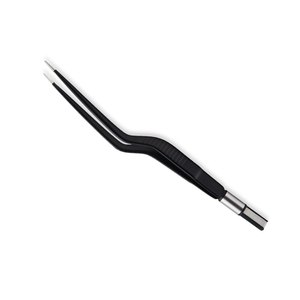
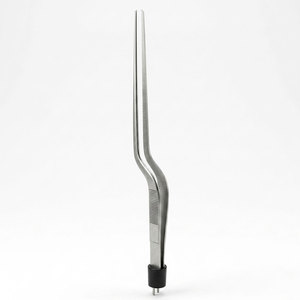
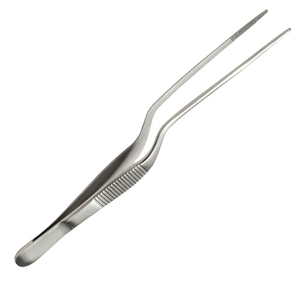
1. Executive Summary & Semantic Market Overview: Autologous Fat Transfer (AFT) Industry
The global plastic surgery and aesthetic medtech landscape has undergone a radical paradigm shift over the past decade. Autologous Fat Transfer (AFT)—commonly referred to as fat grafting or fat transplantation—has evolved from a purely cosmetic procedure into a cornerstone of regenerative medicine, post-mastectomy breast reconstruction, facial rejuvenation, and structural body contouring. As clinical demand for micro-fat, nano-fat, and Stromal Vascular Fraction (SVF) harvesting intensifies, global procurement teams, hospital supply chain directors, and medical equipment distributors are under increasing pressure to source surgical instruments that deliver maximum adipose cell viability, minimal shear stress, and unquestionable sterilization safety.
However, navigating the global supply chain for fat grafting equipment manufacturers and factories presents significant procurement complexity. The market spans high-cost Western European brand houses, highly specialized North American OEM innovators, and massive manufacturing clusters such as the famous Sialkot medtech hub in Pakistan. To make informed purchasing decisions, buyers must look beyond glossy promotional brochures and evaluate factories on core engineering parameters: alloy grain structure, inner-bore polishing techniques of infiltration and aspiration cannulas, passivation chemistry, and compliance with the stringent European Union Medical Device Regulation (EU MDR 2017/745) and US FDA establishment standards.
2. Technical Evaluation Framework: Selecting a Direct Fat Grafting Equipment Manufacturer
When conducting supplier audits, professional B2B buyers must apply a rigorous engineering checklist to verify whether a factory possesses true original equipment manufacturing (OEM) capability or is merely an intermediary trading operation. The following key criteria dictate instrument longevity and clinical performance:
Metallurgical Integrity
Cutting and clamping instruments require martensitic stainless steel (AISI 410, 420, 420B) vacuum heat-treated to 48–54 HRC. Cannulas and trays utilize austenitic AISI 304/316L for maximum corrosion resistance and flexibility.
Aspiration Bore Polishing
Adipose graft survival relies on low-shear atraumatic extraction. Premier factories employ electro-polishing or micro-honing on internal cannula lumens to achieve ultra-smooth walls that preserve adipocyte cell walls.
Passivation & Autoclave Life
Chemical passivation via ASTM A967 nitric or citric baths neutralizes free iron particles, establishing a durable chromium oxide surface barrier capable of enduring 100+ steam sterilization cycles without pitting.
3. Comprehensive Analysis: Top 10 Fat Grafting & Liposuction Instrument Manufacturers Worldwide
Below is a curated industry breakdown of the world's leading manufacturers and manufacturing hubs specializing in fat grafting instruments, liposuction cannulas, electrosurgical bipolar forceps, and autologous tissue transfer systems:
| Manufacturer / Hub | Primary Production Region | Core Product Focus | Quality Certifications | Best For / OEM Suitability |
|---|---|---|---|---|
| 1. SalarSurgicals Pvt. Ltd. | Sialkot, Pakistan | Fat Cannulas, Bipolar Forceps, Surgical Scissors | ISO 13485:2016, CE Marked, FDA Reg. | Custom OEM, Private Label, Low MOQ (50pcs) |
| 2. MicroAire Surgical Instruments | Virginia, USA | PAL Power-Assisted Liposuction Systems | FDA 510(k), ISO 13485, CE MDR | High-end motorized body contouring systems |
| 3. Human Med AG | Schwerin, Germany | Water-jet Assisted Liposuction (WAL / body-jet) | ISO 13485, CE MDR, US FDA | Integrated water-jet tissue harvesting equipment |
| 4. Tulip Medical Products | California, USA | Nano-fat & Micro-fat Injectors, Genie Hubs | FDA Registered, CE Marked | Specialized facial fat transfer disposable/reusable tools |
| 5. Möller Medical GmbH | Fulda, Germany | Vibrasat Liposuction Handles & Infiltration Pumps | ISO 13485, CE MDR | Precision German-engineered surgical pumps & tubing |
| 6. Black & Black Surgical | Georgia, USA | Tebbets & Gorney Plastic Surgery Instruments | FDA Registered, ISO 13485 | Premium surgeon-endorsed aesthetic instrument sets |
| 7. Marina Medical Instruments | Florida, USA | Liposuction Cannulas, Liposhifting Forceps | FDA Registered, CE Marked | Custom clinical modifications & distribution in Americas |
| 8. HK Surgical Inc. | California, USA | Klein Tumescent Infiltration Pumps & Cannulas | FDA 510(k), ISO 13485 | Tumescent anesthesia delivery systems |
| 9. Euromi Surgical | Vance, Belgium | NIL (Nutational Infrasonic Liposculpture) Systems | ISO 13485, CE MDR | Infrasonic tissue harvesting and grafting machines |
| 10. Sialkot MedTech Manufacturing Cluster | Punjab, Pakistan | Hand-forged Stainless & Titanium Surgical Tools | ISO 13485, CE Mark, FDA Establishment | Global contract manufacturing & wholesale production |
In-Depth Hub Analysis: The Sialkot Precision Manufacturing Ecosystem
While Western brands dominate electronic console assembly, over 70% of the world's reusable stainless steel hand-held surgical instruments originate from the industrial cluster of Sialkot, Pakistan. Factories in this region—exemplified by established producers like SalarSurgicals—combine century-old hand-finishing craftsmanship with modern multi-axis CNC machinery, fiber laser etching, and automated passivating lines.
For international buyers, sourcing directly from audited Sialkot factories offers unmatched commercial flexibility: tier-one material compliance (German steel heats), full private labeling, custom lumen length and port configuration, and direct engineering access without intermediary markups.
4. Procurement Trends & Technical Future (2025–2030)
As autologous fat transfer expands beyond cosmetic enhancement into regenerative medicine and reconstructive oncology, fat grafting equipment is undergoing rapid technological evolution. Global buyers should align their procurement strategies with four key emerging trends:
1. Closed-Loop Sterile Transfer
Regulatory bodies increasingly favor closed-system fat processing that minimizes air exposure. Modern cannula kits are now integrated with sealed Luer-Lock transfers, inline mesh filters, and centrifugation adapters.
2. Micro-Fat & Nano-Fat Fractionation
Demands for superficial intradermal injections have led to specialized emulsification blades and mechanical fractionators that reduce fat tissue to micron sizes without destroying regenerative growth factors.
3. Non-Stick Bipolar Coagulation
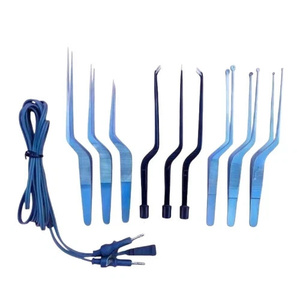
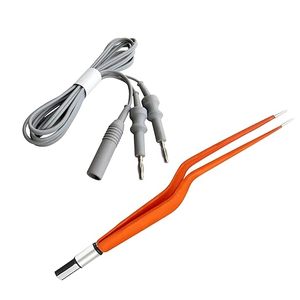
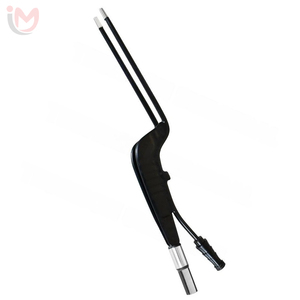
Concurrently during tissue harvesting, precise thermal control is essential. Advanced bipolar forceps with non-stick thermal dissipation layers prevent tissue charring and lower intraoperative bleeding risks.
5. Enterprise Advantages of SalarSurgicals Manufacturing
Operating from Defence Road, Sialkot, SalarSurgicals stands as a premier direct factory partner for global medical device importers, hospital supply networks, and OEM brand holders. Key operational strengths include:
- ISO 13485:2016 & CE MDR Compliance: Fully documented Quality Management System (QMS) with complete lot traceability, raw material mill certificates, and validated ultrasonic cleaning protocols.
- Flexible OEM & Private Label Programme: Low MOQ starting at just 50 pieces per catalogue item. Fiber-laser marking of brand logos, SKU reference codes, lot numbers, and CE iconography.
- Material Science Standards: Standard procurement in German-grade AISI 420 martensitic steel for sharp cutting edges, AISI 304/316L for high-ductility cannulas, and Titanium Grade 5 for ultra-lightweight bipolar instruments.
- Global Export Infrastructure: Serving distributors in over 45 countries across North America, Europe, Australia, and the Middle East with flexible DDP, CIF, and FOB terms.
6. Frequently Asked Questions (FAQ) for B2B Buyers & Importers
What is the standard MOQ for custom fat grafting cannulas and forceps?
For standard catalogue references, the Minimum Order Quantity (MOQ) starts at 50 pieces per item. For fully bespoke instrument designs requiring custom forging dies or specialized machining, MOQs typically range from 100 to 250 pieces to keep tooling costs commercially optimal for the importer.
Which steel grades are utilized for surgical instruments and cannulas?
Instruments requiring sharp edges or firm clamping grip (scissors, forceps, rongeurs) are manufactured using German-standard martensitic stainless steels such as AISI 410, 420, and 420B. Cannulas, sterilization trays, and non-cutting components utilize austenitic AISI 304 or 316L steel. Non-stick bipolar forceps are also available in medical Titanium Grade 5.
Are SalarSurgicals instruments CE marked and registered with the US FDA?
Yes. SalarSurgicals operates an audited ISO 13485:2016 quality management system. Reusable instrument lines are CE marked under applicable European regulations, and the manufacturing establishment is registered with the US FDA. Declarations of conformity and technical master files are available to distributors under NDA.
What are the typical lead times and shipping terms for international export?
Repeat catalogue orders typically ship within 15–25 working days. First-time OEM orders requiring laser branding, custom packaging, and sample sign-off take approximately 30–45 working days. Shipments are handled via express courier, air freight, or sea freight on FOB Karachi, CIF, or DDP terms.
Can international buyers request pre-shipment inspections or factory audits?
Absolutely. We welcome on-site factory audits at our facility on Defence Road, Sialkot, Pakistan. Importers can also arrange third-party pre-shipment inspections (such as SGS, Bureau Veritas, or TÜV) to verify AQL sampling, dimensions, surface finish, and quantity before container release.