Featured Surgical Sterilization Trays & Precision Instruments
Engineered for validated steam autoclaving, ultrasonic washer-disinfector cycles, and delicate tissue handling. Directly manufactured under ISO 13485 quality standards.
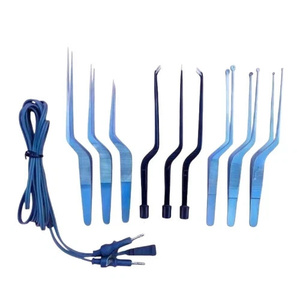
10 PCS Micro Bayonet Forceps Surgical Instrument Set
Neurosurgery tools for delicate tissue handling and microsurgery. Complete with specialized sterilization rack.
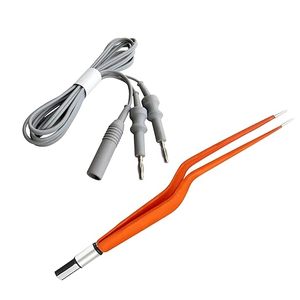
Bayonet Bipolar Forceps Stainless Steel Surgical Tool
Professional electrosurgical coagulation forceps with ultra-fine tips and durable high-voltage thermal insulation.
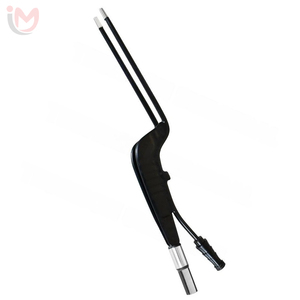
Wholesale Insulated Bayonet Forceps & Silicone Cable
Autoclavable silicone cable & bipolar forceps kit designed for repeat 134°C steam sterilization cycles.
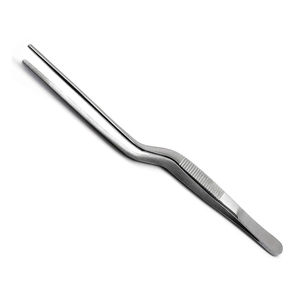
Adson Bayonet Forceps 16cm Serrated Tip Dressing Tweezers
Precision German-standard stainless steel dressing tweezers with ergonomic bayonet offset shaft design.
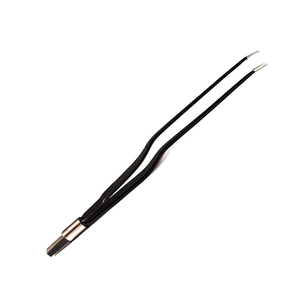
Neurosurgery Bayonet Non-Stick European Bipolar Forceps
22cm curved insulated angled tip (0.5mm) with EU connector. Reduces tissue adhesion during thermal cutting.
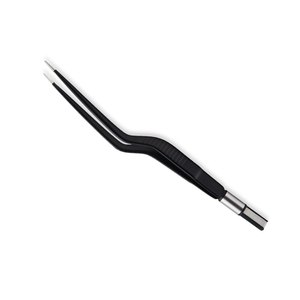
Premium Black Coated Stainless Steel Bipolar Bayonet Set
Anti-glare ceramic/polymer coated manual tweezers instrument set tailored for high-intensity operating theaters.
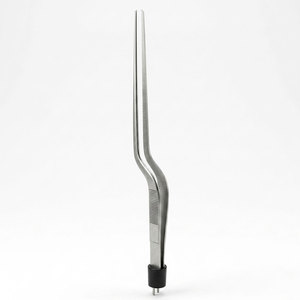
Bayonet Non-Insulated Bipolar Forceps 24cm (0.5-2.0mm)
Solid surgical stainless steel construction with precision alignment pin for delicate neuro & ENT procedures.
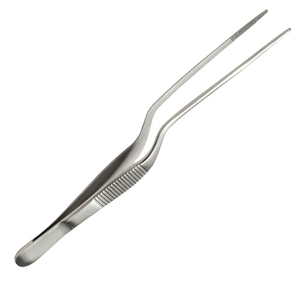
Stainless Steel Manual Bayonet Ear Dressing Forceps Set
CE certified OT grade ENT ear forceps set with smooth spring tension and passivated corrosion-resistant finish.
Modernizing CSSD: The Strategic Value of High-Grade Sterilization Baskets
Evaluating material integrity, mechanical airflow design, and risk mitigation in hospital sterile processing departments.
Executive Market Overview & Compliance Drivers
In contemporary healthcare operations, the Central Sterile Supply Department (CSSD) serves as the primary defense against Healthcare-Associated Infections (HAIs). Surgical instruments represent significant financial capital; protecting these assets during mechanical washing, ultrasonic decontamination, and high-pressure steam autoclaving requires rigorous container engineering. The shift from single-use surgical drapes and wrapping linens toward rigid sterilization containers and heavy-duty wire mesh sterilization baskets has accelerated globally due to stringent ISO 17664, DIN 58952, and EN 868 standards.
Choosing the correct sterilization basket manufacturer is no longer merely a purchasing decision—it is a core risk-management initiative. Subpar basket geometry or inferior grade stainless steel leads to premature micro-corrosion, compromised instrument alignment, damaged carbide inserts, and wet pack syndrome following steam cycle exhaustion. This white paper benchmarks the top 10 sterilization basket factories and suppliers, analyzing structural wire mesh patterns, material selection (AISI 316L vs. 304), electropolishing passivation quality, and OEM manufacturing execution.
"Information Gain Insight: B2B medical procurement data confirms that replacing non-perforated solid trays with 316L electro-polished wire mesh baskets reduces steam cycle drying times by up to 28% while extending micro-instrument tip lifespan by 40%."
Benchmarking the Top 10 Sterilization Basket Factories & Suppliers
An objective assessment of leading global manufacturers based on production scale, metallurgical testing, custom OEM adaptability, and compliance credentials.
1. SalarSurgicals (Sialkot, Pakistan)
Top Direct OEM Factory2. Wagner GmbH (Germany)
European Engineering Tier3. Aesculap / B. Braun (Global)
Global Hospital Brand4. Case Medical (USA)
North American Container Specialist5. CobiT GmbH (Tuttlingen, Germany)
Precision Tooling Hub6. Medline Industries (USA)
Healthcare Supply Distributor7. KLS Martin Group (Germany)
Maxillofacial & Surgical Innovator8. Aygun Surgical Instruments (Turkey)
Container & Power Tool Manufacturer9. Solco Biomedical (South Korea)
Asian Medical Supply Hub10. Chiyoda Manufacturing (Japan)
Precision Japanese MetallurgyMetallurgical Benchmarking: AISI 316L vs. 304 & Perforated Design
Understanding raw material choices, surface treatments, and ventilation performance factors that determine long-term ROI.
| Performance Vector | AISI 316L Stainless Steel | AISI 304 Stainless Steel | Anodized Aluminum |
|---|---|---|---|
| Molybdenum Content (Pitting Resistance) | 2.0% - 3.0% (Superior) | 0% (Standard) | N/A (Oxide Film) |
| Autoclave Life Expectancy | 10+ Years (2,500+ Cycles) | 5–7 Years (1,200 Cycles) | 3–5 Years (Degrades with alkaline detergents) |
| Corrosion Resistance (Saline/Detergent) | PREN > 25 (Exceptional) | PREN ~ 18 (Moderate) | Vulnerable to PH > 10.5 |
| Surface Finishing Protocol | Electropolished + ASTM A967 Passivated | Electropolished or Satin Polished | Anodized (Color-coded) |
| Ultrasonic Cleaner Compatibility | 100% Cavitation Resistance | High Cavitation Resistance | Pitting hazard over extended exposure |
| Commercial Cost Index | Moderate - High (Highest Lifetime Value) | Economical / Standard | Moderate |
Electrochemical Passivation (ASTM A967)
Welding wire mesh generates localized thermal oxidation. Superior factories utilize citric or nitric acid passivation coupled with electropolishing to rebuild the free-chromium surface oxide layer (Cr2O3). This prevents spot-rusting at wire intersections during repeated steam autoclaving.
Perforated Side Mesh & Steam Penetration
Wire mesh aperture spacing must strike an optimal balance between micro-instrument containment and steam penetration. 1.5mm to 2.0mm micro-mesh allows complete steam circulation and liquid drainage while preventing fine tips (like 0.3mm bayonet bipolar forceps) from protruding and breaking.
Silicone Fixing Modules & Tip Protection
High-end baskets feature modular, medical-grade silicone brackets. Silicone strips secure delicate instrument shafts, preventing metal-on-metal abrasion, tip misalignment, and jaw dulling during automated washer-disinfector transport cycles.
Future Procurement Trends in Hospital Sterilization Systems
Key technological shifts shaping the next decade of central sterile supply department logistics and purchasing strategies.
1. RFID & Direct Laser UDI Marking Integration
Regulatory authorities (US FDA & EU MDR) require Unique Device Identification (UDI) down to individual instrument trays. Modern sterilization baskets now feature integrated 2D DataMatrix laser engraving plates or embedded high-temperature RFID tags for automated asset tracking through washer-disinfectors and operating rooms.
2. Shift from Blue Wrap to Rigid Container Baskets
Hospitals are systematically eliminating disposable polypropylene sterile wraps due to environmental waste, recurring budget drain, and tear risks. Wire mesh baskets coupled with aluminum barrier containers provide a reusable, zero-waste system with a documented 10-year operational lifecycle.
3. Modular & Procedure-Specific Tray Customization
Generic rectangular baskets are rapidly being replaced by specialized procedure-specific modules—such as dedicated neurosurgery bayonet forceps trays, pelvic reconstruction plate racks, and electrosurgical cable organizers. This modularity speeds up surgical count checks and reduces prep times.
Why Partner with SalarSurgicals for OEM Sterilization Trays & Instruments?
With over two decades of manufacturing excellence in Sialkot, SalarSurgicals combines traditional surgical metallurgy with modern CNC machining, automated wire-forming, and rigorous ISO 13485 quality management systems. We serve medical device importers, hospital distributors, and private-label brands across 45+ countries.
Frequently Asked Questions (FAQ)
Key technical and regulatory answers for hospital purchasing managers and medical device importers.
Q: What stainless steel grade is best for sterilization baskets?
AISI 316L stainless steel is the gold standard for sterilization baskets due to its molybdenum content (2-3%), which provides superior resistance against pitting corrosion, saline solutions, and aggressive washer-disinfector detergents compared to standard AISI 304 steel.
Q: What is the standard minimum order quantity (MOQ) for custom OEM baskets?
For standard catalog sizes, our MOQ starts at just 50 pieces per reference. For completely customized wire mesh baskets requiring custom tooling or specialized silicone mold dies, we recommend an initial run of 100 to 250 pieces to optimize tooling costs.
Q: How do your sterilization baskets prevent instrument damage?
Our baskets incorporate electro-polished smooth wire joints that eliminate sharp edges, paired with medical-grade silicone holding strips. These fixtures lock instrument shanks in place, preventing micro-forceps tips and scissors from clashing during ultrasonic bath agitation.
Q: Can you laser mark our brand logo, REF numbers, and UDI codes?
Yes. We utilize high-precision fiber laser marking for your company logo, catalog reference numbers, lot tracking codes, 2D DataMatrix UDI symbols, and CE marks. All markings undergo post-passivation to guarantee long-term autoclave survival without corrosion.
Q: Are SalarSurgicals instruments and baskets CE marked and FDA registered?
Yes. Our manufacturing facility operates under an ISO 13485:2016 certified Quality Management System. Our reusable instrument and tray lines are CE marked, and our establishment holds US FDA registration with complete technical files available under NDA.
Q: What are the lead times for international OEM shipments?
Repeat catalog orders typically ship within 15 to 25 working days. First-time OEM orders requiring custom tooling, laser branding, and bespoke packaging take 30 to 45 working days following sample approval. Air express and sea freight options are available worldwide.
Partner with a Certified OEM Sterilization Basket Manufacturer
Consult with our senior surgical manufacturing engineers today. Submit your technical drawings or product specifications for a comprehensive factory-direct quote within 24 hours.