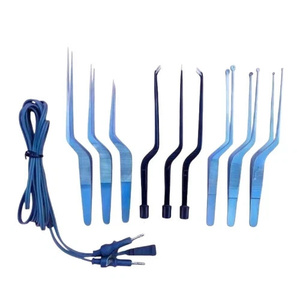
Neurosurgery · Set
10 PCS Micro Bayonet Forceps & Surgical Instrument Set
Ultra-delicate tissue handling tools for neurosurgical micro-resection and vascular isolation with anti-glare satin finish.
Get CatalogEngineered from German martensitic stainless steel and grade-5 titanium. Operating under ISO 13485:2016 QMS with CE MDR conformity and FDA registration.
Ultra-delicate tissue handling tools for neurosurgical micro-resection and vascular isolation with anti-glare satin finish.
Get Catalog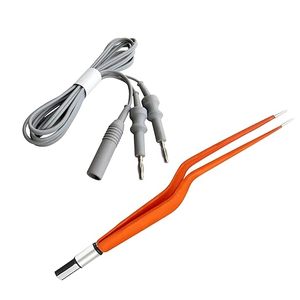
Fine tip precision bipolar forceps designed for thermal hemostasis with zero thermal drift across repeated autoclave cycles.
Get Catalog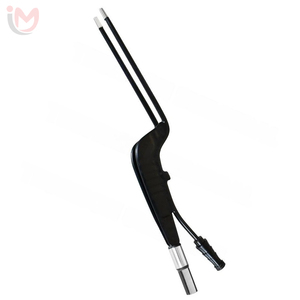
High-grade nylon insulation layer resistant to 134°C steam sterilization, supplied with medical-grade flexible silicone cables.
Get Catalog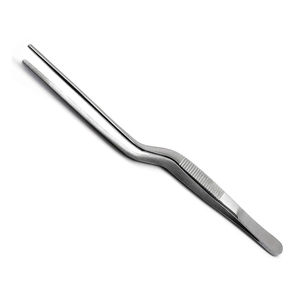
AISI 420 stainless steel dressing forceps featuring microscopic micro-serrations for non-slip tissue and bandage placement.
Get Catalog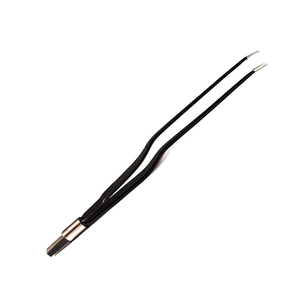
Solid silver alloy core tips preventing eschar tissue buildup during long cranial and spinal electrosurgical procedures.
Get Catalog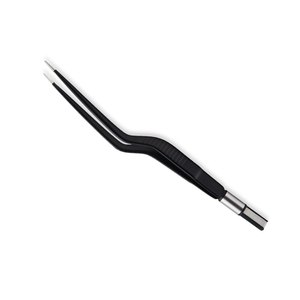
Specialized dielectric ceramic black coating reducing optical reflection under high-magnification surgical operating microscopes.
Get Catalog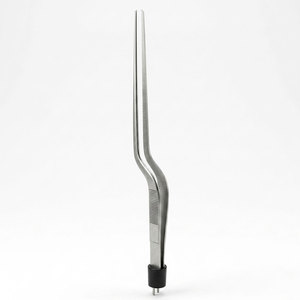
Available in 0.5mm, 1.0mm, and 2.0mm calibrated tip geometries for extreme precision deep-cavity microsurgical maneuvers.
Get Catalog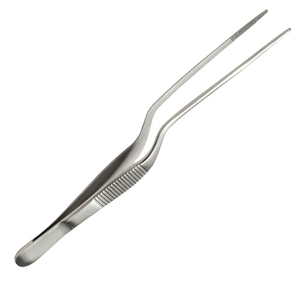
Ergonomic bayonet offset design keeping the clinician's sightline clear during sensitive auditory canal procedures.
Get CatalogIn modern minimally invasive surgery (MIS), neurosurgery, orthopedics, and otolaryngology (ENT), the demand for high-precision cutting, punch resection, and coagulation instruments has grown exponentially. Surgical punches—including Kerrison punch rongeurs, bone punches, dermal biopsy punches, and bayonet-style micro-punches—represent one of the most mechanically demanding categories in surgical instrument manufacturing.
Unlike standard static surgical forceps, a surgical punch must deliver high mechanical leverage, clean shearing forces, and exact bite engagement without tearing surrounding soft tissue or fracturing under heavy cortical bone resistance. Achieving this level of clinical performance requires a strict synthesis of metallurgy, modern 5-axis CNC machining, vacuum heat treatment, and traditional hand-fitting expertise.
The operational lifespan and cutting efficiency of a surgical punch depend fundamentally on the raw stainless steel alloy selected during the forging process. Certified manufacturers like SalarSurgicals utilize German DIN-standard martensitic stainless steel alloys engineered to withstand intense physical stress and repeated thermal autoclave cycles:
Utilized for punch cutting edges and jaw mechanisms. Achieves a hardened rating of 50–54 HRC after double tempering, preserving razor-sharp cutting geometry across thousands of re-sterilization cycles.
Selected for non-cutting structural components, handles, and sterilization trays. Provides exceptional corrosion resistance and chemical tolerance against harsh enzymatic washer-disinfector agents.
Engineered for lightweight microsurgical punches and non-stick bipolar bayonet forceps. Offers a 40% weight reduction compared to steel, eliminating surgeon hand fatigue during 8+ hour microsurgical procedures.
To eliminate intergranular corrosion and pitting—the leading causes of surgical instrument failure in hospital Central Sterile Supply Departments (CSSD)—all instruments undergo automated ultrasonic cleaning followed by citric or nitric acid chemical passivation compliant with ASTM F1089 standards. This process rebuilds a continuous chromium oxide surface layer, sealing the alloy against microscopic oxidation.
For international medical device importers, OEM distributors, and hospital procurement boards, choosing a supplier solely based on unit cost introduces severe regulatory and clinical risk. A single failure during a neurosurgical or orthopedic procedure can result in catastrophic product recalls and legal liability.
When evaluating global surgical punch manufacturers, buyers must audit five fundamental capability pillars to ensure regulatory compliance and product consistency:
| Evaluation Metric | Industry Standard Requirement | SalarSurgicals Benchmark | Procurement Impact |
|---|---|---|---|
| Quality System Certification | ISO 13485:2016 audited annually | Full ISO 13485:2016 & ISO 9001 QMS | Ensures batch-to-batch manufacturing repeatability. |
| Regulatory Compliance | CE Mark (EU MDR 2017/745) / FDA Registered | CE Marked & US FDA Establishment Registered | Guarantees friction-free customs clearance in EU & US. |
| Raw Material Assurance | Batch-level mill test reports (MTR) | 100% German steel heat-lot certification | Prevents premature jaw dulness, rusting, and metal fatigue. |
| Dimensional Tolerance | ± 0.10 mm for standard instruments | ± 0.02 mm CNC micro-machining tolerance | Delivers flawless jaw alignment and smooth punch action. |
| Passivation Testing | Boil test / copper sulfate test (ASTM F1089) | 100% lot boil & autoclave cycle validated | Prevents stain creation and pitting during sterilization. |
The global market for surgical punches and micro-bayonet instruments is divided among established European manufacturing hubs, specialized Asian production clusters, and custom OEM forging factories. Below is an objective operational review of the top 10 supplier archetypes shaping global surgical supply chains in 2026:
Strengths: Premier OEM/Private-label manufacturer specializing in micro-bayonet forceps, Kerrison punches, and electrosurgical instruments. Combines 20+ years of hand-crafting heritage with 5-axis CNC machining, low MOQs (50 pcs), and factory-direct pricing for 45+ export markets.
Strengths: Global industry benchmark for surgical instrumentation. Renowned for flawless precision and extensive product catalogs, though higher pricing tiers and long lead times often lead distributors to seek agile OEM alternatives.
Strengths: Exceptional specialized range in craniomaxillofacial surgery and electrosurgery instruments. Offers premium non-stick coatings and micro-punching devices primarily targeting Tier-1 European hospitals.
Strengths: Strong presence in neurosurgery and reconstructive surgical instrumentation under the Codman brand umbrella. Focuses heavily on high-end cranial punches and specialty retractors.
Strengths: Recognized for laparoscopic micro-punches and reposable instrument systems. Strong innovation in modular scissor and punch tips designed to lower per-procedure costs.
Strengths: Major healthcare distributor providing broad-line surgical instruments across general, dental, and ENT categories with established US warehousing and distribution.
Strengths: Co-operative syndicate of German instrument makers producing high-grade spine punches and bone rongeurs adhering strictly to traditional German craft norms.
Strengths: Comprehensive product catalog spanning endoscopy, MIS punches, and container systems with strong European distribution networks.
Strengths: Owner of classic surgical brands such as Olsen and Greenberg, specializing in electrosurgical bipolar forceps and specialty spine punch systems.
Strengths: ISO-certified specialized forging workshops in Sialkot producing high-volume private-label instruments for international brand owners, leveraging localized metallurgical supply chains.
As operating rooms accelerate the adoption of robotic surgery, high-magnification 3D visualization, and strict hospital sustainability mandates, the specification profile for surgical punches and micro-instruments is undergoing rapid transformation. Forward-looking procurement directors must align their supply chains with three key technical shifts:
Traditional stainless steel bipolar punches often experience blood charring and tissue adhesion during continuous high-frequency coagulation. Next-generation instruments integrate solid silver alloy cores or Physical Vapor Deposition (PVD) titanium aluminum nitride (TiAlN) black ceramic coatings. These non-stick surfaces reduce thermal tissue drag, eliminate the need for manual blade scraping during surgery, and reduce operative time by up to 15%.
Global regulatory bodies—including the US FDA (GUDID) and the European Union (EUDAMED)—now mandate permanent, direct-part marking for all reusable Class I and Class II surgical instruments. Modern surgical punches must feature high-resolution fiber laser micro-barcodes (DataMatrix) capable of surviving 500+ autoclave and ultrasonic washer cycles without degrading readability for CSSD automated inventory tracking systems.
While single-use plastic biopsy punches experienced temporary market growth, medical institutions are increasingly returning to high-grade reusable stainless steel surgical punches. Lifecycle assessment (LCA) data demonstrates that a precision-forged reusable punch used over a 5-year period generates 82% less bio-hazardous waste and delivers a 65% lower total cost of ownership (TCO) compared to single-use alternatives.
Essential operational and compliance answers compiled by SalarSurgicals export engineers to assist international buyers in finalizing procurement orders.
For standard catalog references, our MOQ starts at just 50 pieces per item reference. For fully custom OEM patterns requiring dedicated forging dies or new tooling, we recommend 100 to 250 pieces per batch to keep die amortisation commercially viable for your market.
We utilize German-standard martensitic stainless steels (AISI 410, 420, 420B) for cutting punches and holding instruments, and austenitic AISI 304/316L for non-cutting components and sterilization baskets. Titanium Grade 5 is available for microsurgical instruments. Mill test certificates are provided with every batch.
Yes. SalarSurgicals operates an audited ISO 13485:2016 quality management system. Our reusable instrument ranges carry CE certification under applicable European regulations, and our manufacturing establishment is registered with the US FDA. Full technical files are shared under NDA.
Repeat catalog orders ship in 15–25 working days. First-time OEM orders with custom laser branding and packaging take 30–45 working days following sample approval. We ship globally via DHL/FedEx courier, air freight, or sea freight under FOB Karachi, CIF, or DDP terms.
Yes. Fiber laser marking of your brand logo, catalog reference number, batch lot code, GS1 DataMatrix UDI barcode, and CE mark is standard in our private-label manufacturing program. All markings are passivated post-engraving to resist corrosion.
Every surgical punch undergoes a 3-stage inspection: 5-axis CNC joint milling ensures zero lateral play, master instrument makers perform manual tensioning and jaw setting, and final Quality Control conducts magnification bench testing against synthetic tissue medium before chemical passivation.
Located in the heart of Sialkot’s world-renowned surgical instrument manufacturing cluster, SalarSurgicals Pvt. Ltd. has established itself since 2005 as a trusted partner for medical device importers across 45+ countries. By combining century-old blacksmith hand-finishing traditions with modern CNC automated manufacturing, we deliver European-tier instrument quality at direct workshop price points.
Whether you require a trial order of standardized bayonet bipolar forceps, custom orthopedic punches, or a full private-label catalog launch, our dedicated export engineering desk provides responsive technical support, transparent lead times, and comprehensive regulatory documentation.