Featured Medical Grade Bone Rongeurs & Bayonet Surgical Forceps
Certified ISO 13485 & CE MDR Compliant Instruments Engineered for Neurosurgery, Orthopedics, and Micro-Tissue Coagulation
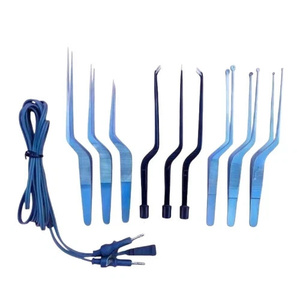
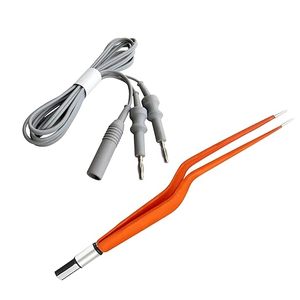
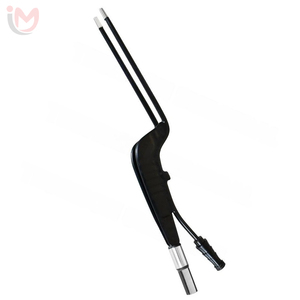
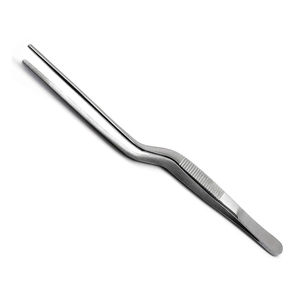
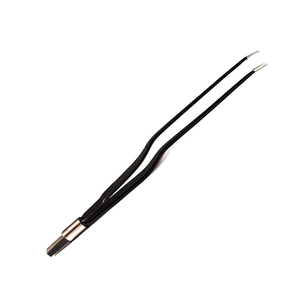
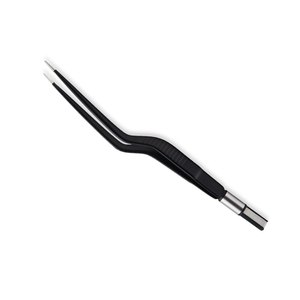
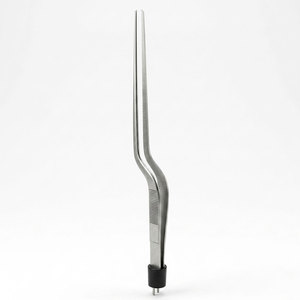
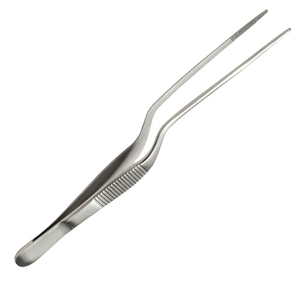
1. Technical Engineering of Surgical Bone Rongeurs & Micro-Instrumentation
Surgical bone rongeurs represent one of the most mechanically demanding instrument categories in modern orthopedics, neurosurgery, and spinal procedures. Designed for gouging out bone, cutting dense fibrous tissue, and performing laminectomies, a bone rongeur must seamlessly blend extreme mechanical force with delicate tactile control. Leading China bone rongeurs manufacturers have elevated manufacturing capabilities by combining traditional hand-finishing mastery with state-of-the-art CNC machining, wire EDM (Electrical Discharge Machining), and robotic grinding systems.
1.1 Mechanical Kinetics: Single-Action vs. Double-Action Linkage
Understanding the mechanical force multiplication ratio is vital for medical device distributors and hospital procurement directors. Bone rongeurs are broadly classified into two structural kinetic designs:
- Single-Action Mechanism: Incorporates a single pivot pin connecting the handles directly to the cutting cups (e.g., Frykholm or Lempert patterns). While providing direct feedback to the surgeon's hand, single-action rongeurs require higher manual grip force to achieve cortical bone excision. They are ideal for delicate, shallow tissue resection where tactile sensitivity outweighs sheer force.
- Double-Action Mechanism: Utilizes a dual-fulcrum compound joint structure (e.g., Kerrison, Beyer, Ruskin, and Stille-Luer patterns). This compound lever configuration increases mechanical advantage by up to 300%, transferring minimal hand force into massive biting power at the cutting tip. China's top exporters manufacture double-action rongeurs with precision-machined box locks that eliminate lateral jaw play, preventing premature blade dulling and mechanical fatigue.
1.2 Jaw Geometry & Cutting Edge Dynamics
The biting cup of a bone rongeur requires ultra-precise grinding. Jaw tips are manufactured in forward-angled (45°), duckbill curved, straight, and up-biting (90°) geometries, ranging in width from micro 1.0 mm up to heavy-duty 5.0 mm. To maintain a crisp, gouging bite across thousands of sterilization cycles, cutting edges undergo secondary hand-honing under 10x optical magnification. This ensures a clean shear without crushing surrounding osteocyte matrices, promoting faster post-operative bone healing.
Material Science & Manufacturing Engineering Standards
Rigorous Raw Material Selection and Precision Heat Treatment Protocols Underpinning Surgical Longevity
AISI 420 Martensitic Steel
Forged using high-chromium German-standard stainless steel (X20Cr13 / X30Cr13), achieving optimal tensile strength, high wear resistance, and long-lasting edge retention required for heavy bone resection.
Vacuum Heat Treatment
Hardened in computer-controlled vacuum furnaces to 50–54 HRC (Rockwell Hardness). This precise thermal cycle prevents surface decarburization and guarantees structural integrity without micro-brittleness.
ASTM F1089 Passivation
Multi-stage ultrasonic degreasing followed by citric or nitric acid passivation. Rebuilds a uniform chromium oxide surface film, guaranteeing 100% resistance against corrosion, pitting, and autoclaving oxidation.
2. Information Gain: China High-Precision OEM vs. Legacy Suppliers
Global procurement specialists are increasingly migrating supply chains toward China's top tier medical manufacturers. The benchmark matrix below highlights key technical parameters, compliance features, and operational metrics evaluated during supplier audits.
| Performance Parameter | China Top-Tier OEM Exporters | Conventional Trading Suppliers | Legacy Western Brands |
|---|---|---|---|
| Raw Material Specification | Certified AISI 420 / 410 / Titanium Grade 5 with heat-lot trace | Generic grade stainless steel (unverified heat lot) | Standard AISI 420 / French Z20C13 |
| Dimensional Tolerances | ≤ ±0.02 mm (5-Axis CNC & EDM Machining) | ±0.10 mm to ±0.25 mm (Manual grinding only) | ≤ ±0.03 mm (High cost base) |
| Passivation & Corrosion Test | Boil Test & Copper Sulfate Test (ASTM F1089 Passed) | Basic manual visual dip (Risk of rust in 10 cycles) | Strict ASTM / ISO Compliance |
| Fatigue Testing (Cycles) | Validated > 15,000 full-load actuation bites | Unvalidated (< 3,000 cycles average) | Validated > 12,000 cycles |
| Regulatory Technical File | Full CE MDR, US FDA 510(k) support, UDI Laser Marking | Basic ISO 9001 only (No MDR technical file) | Full FDA & CE MDR Documentation |
| OEM Flexibility & MOQ | Low MOQ (50 pcs/ref), Custom Laser Marking, Fast Prototyping | High MOQ requirements, zero custom tooling flexibility | Extremely high MOQ & long lead times (16-24 weeks) |
3. Future Procurement Trends in Bone Rongeurs & Micro Surgical Tools
As healthcare systems globally navigate cost-containment directives without compromising clinical outcomes, B2B sourcing strategies for reusable surgical instruments are undergoing a structural shift. Buyers must align with vendors who proactively integrate modern supply chain innovations.
3.1 Digital UDI (Unique Device Identification) & Traceability Compliance
Under EU MDR regulations and US FDA mandates, every reusable surgical instrument must feature a permanent, machine-readable Direct Part Marking (DPM). China's forward-thinking exporters have adopted fiber laser etching systems that apply high-density 2D DataMatrix codes directly to the instrument handle. These markings withstand repeated chemical washing and autoclave sterilization, enabling hospital Central Sterile Services Departments (CSSD) to track instrument usage cycles, maintenance schedules, and tray assembly history.
3.2 Growth of Non-Stick Titanium Coatings & Ceramic DLC Finishes
Electrosurgical coagulation forceps and specialized bone rongeurs are rapidly adopting advanced physical vapor deposition (PVD) surface treatments. Black Diamond-Like Carbon (DLC) coatings and Titanium Nitride (TiN) layers increase surface hardness beyond 70 HRC. In bipolar bayonet forceps, thermal non-stick ceramic coatings prevent blood and tissue eschar from adhering to the tips, reducing surgical interruptions and protecting delicate neurological structures.
3.3 Demand for Ergonomic Force-Reduction Designs
Surgeon hand fatigue during lengthy spinal or orthopedic cases has sparked a demand for re-engineered handle ergonomics. Modern Kerrison and Beyer rongeurs feature sculpted, silicone-lined or contoured double-spring handles that evenly distribute pressure across the palm. Exporters offering customizable handle tension and tactile feedback options are capturing higher market share in North America and Western Europe.
4. Technology & Manufacturing Development Trends
The manufacturing ecosystem for bone rongeurs and microsurgical tools is moving away from labor-intensive manual shaping toward automated precision engineering. Key technical developments include:
5-Axis CNC & Wire EDM Machining
Complex jaw profiles and internal box lock channels are now cut using 5-axis computer numerical control (CNC) centers and high-precision Wire Electrical Discharge Machining. This eliminates dimensional variation across production lots, ensuring 100% jaw tip alignment and interchangeable spare parts.
Automated Cleanroom Passivation
Leading factories have implemented fully automated ultrasonic cleaning lines operating inside ISO Class 7 cleanrooms. Multi-tank acid immersion, ultra-pure water rinsing, and hot air drying ensure zero residue, preparing instruments for immediate sterile barrier packaging.
5. Enterprise Advantages & Strategic OEM Manufacturing Capabilities
Partnering with an established Chinese manufacturer provides medical supply companies, private-label brands, and regional hospital distributors with significant operational and financial advantages.
5.1 Full-Service OEM / ODM Private Label Program
We provide complete turnkey solutions from initial engineering sketch to finished sterile product. Our engineering team assists with:
- Custom Tooling & Die Forging: In-house mold-making capabilities enable rapid creation of bespoke instrument geometries within 15–20 business days.
- Laser Branding & Packaging: Customized fiber laser etching for brand logos, catalog numbers, lot codes, and CE symbols. Retail-ready blister packs, sterilization trays, and pouches tailored to client specifications.
- Flexible Order Volumes: Low minimum order quantities (MOQ starting at 50 units for standard catalog items) allow distributors to optimize inventory capital and test new regional markets.
5.2 ISO 13485:2016 Certified Quality Assurance
Our Quality Management System (QMS) strictly adheres to international medical device standards. Every step of the production cycle is governed by standardized operating procedures (SOPs), including incoming raw material spectral analysis, dimensional CMM inspections, hardness testing, and batch-level corrosion testing. Full technical files (STED format) and Declarations of Conformity are supplied under non-disclosure agreements (NDA) to support our clients' regulatory filings globally.
Frequently Asked Questions (FAQ)
Direct Answers to Crucial Sourcing, Quality Control, and Technical Questions
What steel grades are used in your bone rongeurs and bayonet forceps?
Our bone rongeurs are manufactured using premium German-standard AISI 420 (X20Cr13 / X30Cr13) martensitic stainless steel for superior cutting edge hardness and fatigue resistance. Non-cutting components, trays, and retractors utilize austenitic AISI 304 or 316L stainless steel. For micro-bipolar forceps, high-grade Titanium Grade 5 is also available to ensure non-magnetic and lightweight operation.
How do you guarantee corrosion resistance over repeated autoclave cycles?
Every instrument undergoes multi-stage ultrasonic cleaning to remove polishing compounds, followed by nitric or citric acid passivation conforming to ASTM F1089 standards. This process rebuilds a resilient chromium oxide passive layer. Batch samples undergo mandatory 30-minute boiling water tests and copper sulfate testing to verify zero surface oxidation prior to packing.
What is the minimum order quantity (MOQ) for custom OEM orders?
For catalog items with custom laser logo branding, our MOQ starts at just 50 pieces per reference. For bespoke instruments requiring custom forging dies or unique mechanical modifications, we typically recommend an initial run of 100 to 250 pieces to amortize tooling costs efficiently for the buyer.
Are your manufacturing facilities certified for EU MDR and US FDA export?
Yes. Our facility operates under an ISO 13485:2016 certified Quality Management System. Our reusable surgical instrument lines carry CE marking under EU MDR 2017/745 guidelines, and our facility is registered with the US FDA. We provide complete technical files, material safety data sheets (MSDS), and batch traceability documentation to facilitate seamless import clearance.
What are typical production lead times and shipping terms?
Standard catalog orders are dispatched within 15 to 25 working days. First-time OEM custom production runs (including sample approval and customized packaging) require 30 to 45 working days. We support flexible trade terms including FOB, CIF, CFR, and DDP (Delivered Duty Paid) via express courier, air freight, or ocean freight.
Can you manufacture custom jaw geometries from sample instruments or CAD drawings?
Absolutly. Our R&D team utilizes advanced SolidWorks CAD/CAM software and reverse engineering scanners. You can provide physical samples, 2D technical drawings, or 3D STEP files, and our engineers will produce pre-production prototype samples within 10 to 15 business days for functional evaluation.
Partner with China's Premier Surgical Instrument Manufacturer
Elevate your medical product portfolio with high-precision bone rongeurs, micro-bayonet forceps, and custom electrosurgical tooling engineered to international clinical standards.