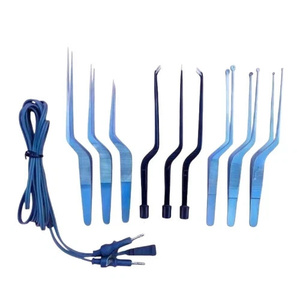
Neurosurgery Series
Directly manufactured under German-standard quality controls, our high-demand neurosurgical bayonet tools and electrosurgical instruments deliver unmatched mechanical balance and thermal stability.
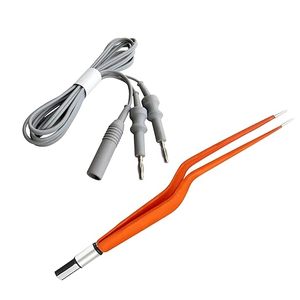
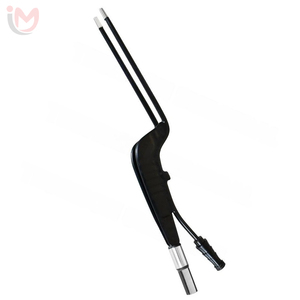
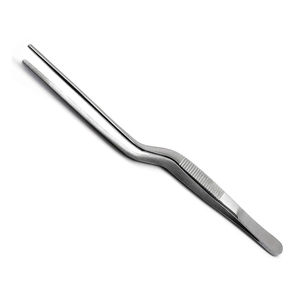
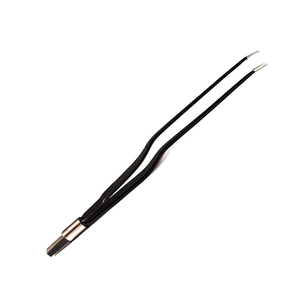
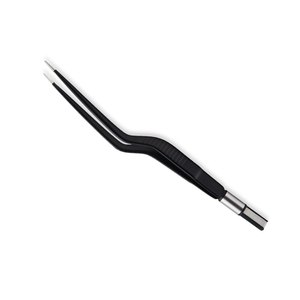
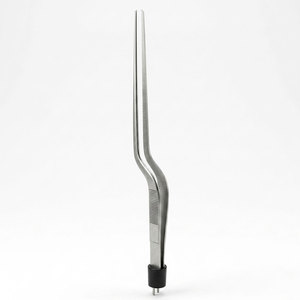
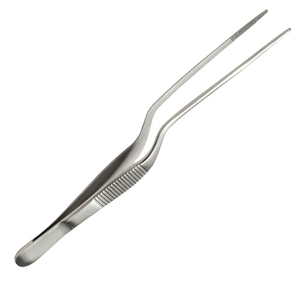
In modern orthopedic, neurosurgical, and spinal procedures, the structural integrity of bone-scraping and bone-debriding instruments is paramount. As a premier bone curettes manufacturer and OEM factory based in Sialkot, Pakistan—the globally recognized epicenter of medical instrument craftsmanship—we synthesize traditional hand-finishing mastery with advanced metallurgy and CNC machining automated controls. Bone curettes, designed for scraping, excising, and debriding osseous tissue or bone marrow, must satisfy severe mechanical demands: extreme cutting-edge sharpness retention, absolute resistance to stress-corrosion cracking, and high tactile sensitivity under varying leverage loads.
This industry whitepaper explores the critical engineering parameters, procurement trends, regulatory frameworks, and technological advancements dictating the global supply chain for surgical-grade bone curettes and complementary microsurgical bayonet instruments.
The manufacturing process of high-performance orthopedic curettes (such as Volkmann, Brunswick, Spratt, Lempert, and Schede patterns) hinges on selecting high-grade martensitic stainless steel. We primarily utilize AISI 420B (X30Cr13) and AISI 410 steel variants compliant with ASTM F899 specifications for surgical instruments.
| Steel Grade Standard | Chemical Composition Highlights | Hardness Rating (HRC) | Primary Application & Advantage |
|---|---|---|---|
| AISI 420B / X30Cr13 | Cr: 12.0 - 14.0%, C: 0.26 - 0.35%, Mn: ≤ 1.0% | 50 - 54 HRC | Scoop cups, sharp cutting rims, bone rongeur tips. Offers optimal hardness for clean cortical bone scraping without micro-chipping. |
| AISI 304 / X5CrNi18-10 | Cr: 17.5 - 19.5%, Ni: 8.0 - 10.5% | Non-hardened (Austenitic) | Handles, outer shanks, sterilization trays. Exceptional corrosion resistance against harsh cleaning chemicals and autoclaving. |
| Titanium Grade 5 (Ti-6Al-4V) | Ti Balance, Al: 5.5 - 6.75%, V: 3.5 - 4.5% | 36 - 42 HRC | Non-magnetic micro-curettes & non-stick bipolar bayonet forceps. 40% lighter than steel, MRI-compatible, ultra-fatigue resistant. |
To guarantee that our bone curettes maintain structural stiffness without brittle failure under mechanical stress, every forged blank undergoes vacuum heat treatment followed by precision tempering. The hardness rating of the working cup tip is rigorously maintained between 50 to 54 Rockwell C (HRC). This precise thermal treatment prevents edge dulling when contacting dense cortical bone while safeguarding against catastrophic fracture during deep-joint curettage.
Combining over two decades of direct exporting experience with strict adherence to Western regulatory standards, we eliminate compliance risk for global importers and distributors.
Our manufacturing facility operates under an audited ISO 13485:2016 Quality Management System. Technical files, declarations of conformity, and device master records (DMR) fully comply with EU MDR (EU 2017/745) and US FDA establishment requirements.
Every instrument undergoes multi-stage chemical passivation using nitric or citric acid solutions. This critical step strips free iron particles from the surface, forming a passive Chromium Oxide (Cr₂O₃) protective barrier that withstands repeated steam autoclaving at 134°C.
We offer fiber laser marking for customer brand logos, unique catalogue reference numbers, lot tracking codes, and GS1-compliant DataMatrix/UDI barcodes. Pre-production samples from technical drawings are delivered within 10–15 business days.
By operating our own closed-die forging presses and modern 5-axis CNC machining centers, we eliminate middleman markups and retain absolute control over dimensional tolerances (±0.02 mm) across high-volume production runs.
We accommodate growing medical suppliers with low Minimum Order Quantities starting at just 50 pieces per standard reference, while maintaining capacity to fulfill multi-thousand unit container orders for government tenders.
Direct sourcing from our Sialkot factory unlocks tier-structured wholesale pricing, reducing total procurement costs by 30% to 45% compared to European or American re-packagers without compromising raw material authenticity.
Partner with a factory that understands international regulatory compliance, material traceability, and exact engineering specifications. Contact our engineering desk today for instant quotation and sample requests.
Get CatalogThe global market for orthopedic surgical instruments is undergoing a technological and structural paradigm shift. Hospital procurement departments, surgical centers, and medical device distributors are adjusting their sourcing strategies to reflect geopolitical realignments, stringent medical device regulations, and surgeon demand for ergonomically refined tools.
Traditional satin and mirror finishes are increasingly giving way to specialized surface treatments. Diamond-Like Carbon (DLC) and Black Titanium Nitride (TiN) coatings are rapidly gaining traction in spinal curettes and neurosurgical bayonet forceps. These PVD coatings provide three clear clinical advantages:
With the full implementation of the European Union’s MDR 2017/745 and FDA’s UDI system, direct part marking (DPM) is no longer optional. Future procurement contracts require laser-etched 2D DataMatrix codes that survive at least 500 autoclave cycles. As an advanced manufacturer, our factory integrates automated 50W fiber lasers to encode GTIN, Lot Number, and Serial Number directly onto the handle of every curette and bayonet forcep.
Surgeon fatigue during long orthopedic or spinal surgeries has forced instrument designers to rethink handle geometry. The industry is moving away from heavy, solid-steel knurled handles toward large-diameter hollow handles constructed from lightweight AISI 304 or ergonomic anodized aluminum couplings. These handles enlarge the tactile gripping area while reducing overall instrument weight by up to 35%, improving control and reducing hand strain during delicate curettage.
Supply chain disruptions over recent years have exposed vulnerabilities in trading-company intermediaries. Importers are bypassing multi-tier broker networks and establishing direct technical relationships with verified original equipment manufacturers in Sialkot. Direct factory pairing ensures transparent mill test certificates (MTCs), predictable lead times, and rapid engineering changes when customizing tip curvature, cup angle, or working length.
Clear, authoritative answers to the most common questions raised by medical instrument procurement directors, brand owners, and hospital suppliers.
We use premium martensitic stainless steels, primarily AISI 420B for cutting rims and AISI 410/304 for handles. Every production heat lot undergoes controlled vacuum heat treatment and tempering. Hardness is verified using calibrated Rockwell C (HRC) testers, maintaining a standard range of 50–54 HRC at the cup rim to guarantee edge longevity without brittleness.
For standard catalogue patterns (e.g., Volkmann, Spratt, Brun, or standard Bayonet Forceps), our baseline MOQ is 50 pieces per reference. For bespoke instruments requiring custom forging dies or specialized CNC tooling, we recommend an initial batch of 100–250 pieces to amortize tooling costs efficiently.
Yes. Our manufacturing system operates under an audited ISO 13485:2016 quality management framework. Our reusable surgical instrument families are CE marked under EU MDR regulations, and our manufacturing establishment maintains active registration with the US FDA. Full technical files and Declarations of Conformity are provided to authorized partners.
Absolutely. As an actual factory, we specialize in OEM customization. We can alter cup sizes (from 0000 to size 6), cup geometries (oval, round, straight, angled, or backward-curved), overall working length, and handle configurations based on technical drawings, 3D CAD files, or physical reference samples.
All finished tools undergo thorough ultrasonic degreasing followed by multi-stage passivation in accordance with ASTM A967 / ISO 16061 guidelines. This forms a thick chromium oxide protective skin. Every batch is tested for corrosion resistance via boiling water immersion tests and copper sulfate surface checks prior to final release.
We provide high-precision fiber laser marking for customer logos, catalogue SKU codes, lot numbers, and GS1 DataMatrix UDI barcodes directly on the metal. Packaging options range from individual protective plastic pouches and pouch-sealed sterile packaging to custom-fitted sterilization trays and branded retail boxes.
Repeat catalogue orders typically ship within 20–30 business days. First-time OEM projects with custom laser etching and packaging take approximately 35–45 business days following sample sign-off. We support standard international incoterms including FOB (Karachi), CIF, and DDP (Delivered Duty Paid) via express air courier or ocean freight.
Yes. We welcome third-party pre-shipment inspections (PSI) and direct customer facility audits at our Sialkot plant. Inspection protocols are executed in accordance with agreed Acceptance Quality Limit (AQL Level II) standards and mechanical testing parameters.
Gain direct factory pricing, raw material certifications, and custom OEM support for your orthopedic and neurosurgical product lines.