Featured Precision Surgical Forceps & Clamps
Direct Factory Supply • German Stainless Steel • Passivated Corrosion Resistance • Custom OEM Branding
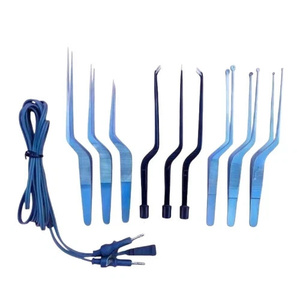
10 PCS Micro Bayonet Forceps Surgical Instrument Set Neurosurgery Tools for Delicate Tissue Handling
Get Catalog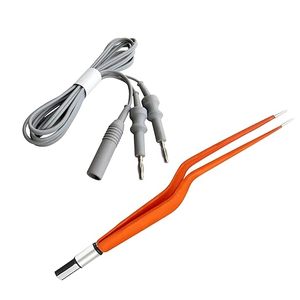
Bayonet Bipolar Forceps Professional Surgical Tool Stainless Steel Coagulation Forceps With Fine Tips
Get Catalog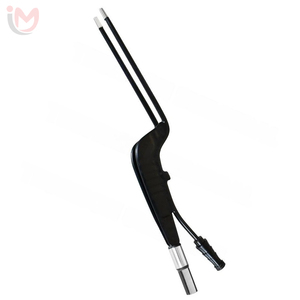
Wholesale Bayonet Bipolar Forceps Insulated Reusable Silicon Cable Surgical Instruments OEM Services
Get Catalog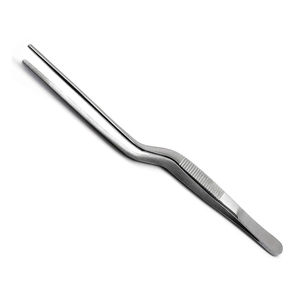
Adson Bayonet Forceps 16cm Serrated Tip Stainless Steel Surgical Dressing Tweezer Instrument
Get Catalog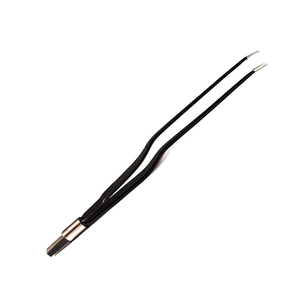
Neurosurgery Bayonet Non Stick European Bipolar Curved Forceps 22 cm W/Stop, Insulated Angled 0.5mm
Get Catalog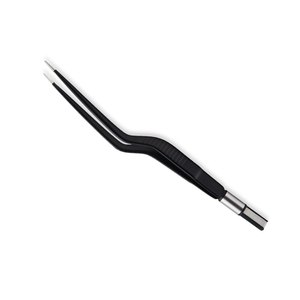
Premium Quality Bipolar Bayonet Forceps Black Color Coated Stainless Steel Manual Tweezers Set
Get Catalog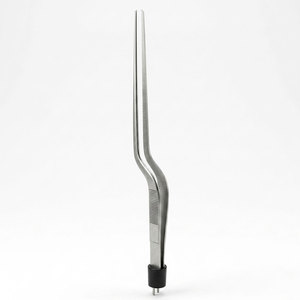
Wholesale Bayonet Non Insulated Bipolar Forceps 24cm 0.5mm 1.0mm 2.0mm Tip Microsurgery Instrument
Get Catalog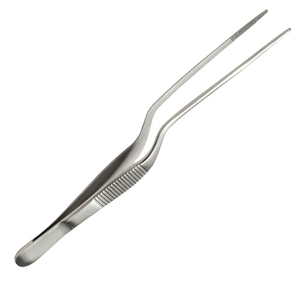
Stainless Steel Customized High-quality CE Certified Manual Bayonet Ear Dressing Forceps Instrument Set
Get CatalogEngineering & Manufacturing Standards of High-Precision Surgical Clamps
In modern operating theaters, surgical clamps, hemostatic forceps, and micro-bayonet instruments serve as critical extensions of the surgeon's hands. As a premier surgical instruments manufacturer headquartered in Sialkot, Pakistan, SalarSurgicals has established an international benchmark for medical device forging, metallurgical precision, and quality control. Sialkot manufactures over 70% of the world's hand-held reusable surgical instruments, combining over a century of traditional artisan cutlery craftsmanship with cutting-edge CNC machining, automated passivation, and rigorous ISO 13485:2016 quality management systems.
The manufacturing process of medical-grade hemostatic clamps and bipolar bayonet forceps demands uncompromising structural integrity. A single clamp must withstand hundreds of autoclaving sterilization cycles without suffering from jaw mis-alignment, ratchet slippage, pitting corrosion, or micro-fractures under tension. Achieving this level of reliability requires strict adherence to international material standards, exact heat treatment parameters, and precision hand-fitting by master cutlers.
Metallurgical Breakdown: Selecting the Optimal Stainless Steel Grade
The performance, tensile strength, and corrosion resistance of surgical clamps depend fundamentally on the chosen stainless steel alloy grade. Surgical instrument manufacturing categorizes raw materials into two primary families: Martensitic stainless steel for cutting and clamping devices that require high hardness, and Austenitic stainless steel for non-cutting structural components.
- AISI 420 / 420B (Martensitic Stainless Steel): Containing 12-14% chromium and balanced carbon content, AISI 420 is the gold standard for surgical clamps, hemostatic forceps, and micro-scissors. When heat-treated through controlled vacuum hardening, it achieves a Rockwell Hardness rating of 48–54 HRC. This hardness ensures that serrated tips and ratchet teeth retain sharp geometries and mechanical grip strength under continuous pressure.
- AISI 410 (Martensitic Stainless Steel): Used extensively in larger orthopedic clamps and bone-holding forceps, offering superior toughness and flexural resistance to absorb heavy lever forces without brittle fracturing.
- AISI 304 / 316L (Austenitic Stainless Steel): Non-magnetic and highly ductile, these grades are reserved for sterilization baskets, retractor frames, and instrument trays due to their exceptionally high nickel content (8-12%) which provides maximum resistance against aggressive chemical wash cycles.
- Titanium Grade 5 (Ti-6Al-4V): For specialized neurosurgical micro-bayonet forceps and non-stick electrosurgical bipolar instruments, Grade 5 Titanium offers 45% weight reduction over steel, complete non-magnetic properties for MRI compatibility, and superior thermal dissipation during high-frequency electrical coagulation.
Enterprise Competitive Advantages & Manufacturing Excellence
Choosing the right factory partner is essential for medical device importers, OEM brand owners, and hospital procurement managers. SalarSurgicals integrates end-to-end production capabilities under one roof to guarantee batch-to-batch consistency and regulatory compliance.
ISO 13485 & CE MDR
Fully compliant Quality Management System certified for medical device manufacturing, technical documentation, and EU MDR / FDA establishment standards.
Closed-Die Forging
State-of-the-art drop forging dies eliminate internal porosity and grain structural defects, ensuring structural durability under high mechanical stress.
Automated Passivation
Ultrasonic chemical passivation per ASTM A967 restores the passive chromium oxide (Cr₂O₃) surface layer, preventing spot oxidation and rust.
OEM & Low MOQ
Full custom contract manufacturing starting at 50 pcs per reference. Includes custom laser etching (Logo, REF, LOT, UDI barcode) and private packaging.
Passivation & Corrosion Immunity: The Chemical Defense Layer
One of the most frequent reasons for surgical clamp failure in hospital central sterile supply departments (CSSD) is pitting corrosion caused by residual saline solutions or improper cleaning agents. During raw forging, grinding, and polishing, free iron particles become embedded on the instrument's surface. If left untreated, these micro-iron deposits oxidise rapidly during steam autoclaving at 134°C.
At SalarSurgicals, every clamp and forceps undergoes a multi-stage automated passivation treatment following ASTM A967 / ISO 16061 standards. The instruments are submerged in ultrasonic bath solutions of nitric or citric acid, which selectively dissolves free surface iron while leaving the chromium intact. When exposed to oxygen, the enriched chromium forms a dynamic passive oxide film (Cr₂O₃) measuring mere nanometers in thickness. This self-healing chemical barrier prevents intergranular corrosion, pitting, and stress corrosion cracking (SCC), extending instrument operational lifespans beyond 500 autoclave cycles.
Technical Comparison: Surgical Clamp & Forceps Specifications
To assist procurement directors and medical equipment buyers, the table below provides technical benchmarks comparing standard hemostatic clamps, bipolar bayonet forceps, and specialized neurosurgical instruments.
| Instrument Category | Material Standard | Surface Hardness | Insulation / Coating | Autoclave Life | Primary Clinical Application |
|---|---|---|---|---|---|
| Hemostatic Forceps (Kelly/Mosquito) | AISI 420 / 420B Stainless Steel | 48 – 52 HRC | Satin Matte / Mirror Polish | 500+ Sterilization Cycles | General Surgery, Hemostasis, Vascular Occlusion |
| Bipolar Bayonet Forceps | AISI 420 / Titanium Grade 5 | 50 – 54 HRC | Polyamide / High-Temp Silicone | 300+ Autoclave Cycles | Electrosurgery, Coagulation, Microsurgery |
| Non-Stick Bipolar Bayonet | Silver Alloy Tip + Titanium Core | N/A (Micro-Tip) | Non-Stick Thermal Barrier Coating | 250+ Autoclave Cycles | Neurosurgery, Spine Surgery, Delicate Hemostasis |
| Adson & Micro Tissue Forceps | AISI 420 Stainless Steel | 52 – 55 HRC | Tungsten Carbide Insert (Optional) | 600+ Sterilization Cycles | Plastic Surgery, Tissue Handling, Dressing |
Future Procurement Trends & Industry Innovations (2025–2030)
The global market for surgical clamps and hemostatic instruments is undergoing rapid transformation driven by surgical automation, stringent regulatory frameworks, and shifting hospital procurement strategies. Sourcing managers must align their supply chains with four major industrial trends:
1. EU MDR & UDI Traceability
Global regulatory bodies require Unique Device Identification (UDI) laser-etched barcodes on every individual instrument for direct scanning in hospital CSSD systems.
2. Non-Stick Electrosurgery
Modern neurosurgery demands silver-alloy tipped bipolar bayonet forceps that eliminate tissue eschar adhesion and reduce thermal damage during delicate vessel sealing.
3. Ergonomic Bayonet Designs
Shift toward angled bayonet handles that keep the surgeon’s sightlines unobstructed under high-magnification surgical microscopes during minimally invasive procedures.
4. Sustainable Reusable Systems
Increasing environmental regulations in Europe and North America are accelerating the shift away from single-use plastics back to validated, highly durable reusable steel instruments.
Furthermore, digital procurement integration is transforming how hospital networks and distributors manage inventory. Leading manufacturers now offer direct ERP integration, contract buffer stocking, and custom laser-marked batch identifiers to streamline compliance verification. By maintaining direct relationships with ISO 13485 certified factories, buyers mitigate global supply chain bottlenecks and guarantee consistent material quality.
Procurement FAQ: Sourcing Surgical Clamps & Forceps
Addressing key technical and commercial queries from B2B buyers, medical device importers, and hospital purchasing officers.
What is the Minimum Order Quantity (MOQ) for OEM/Private Label orders?
For standard catalogue items, our minimum order quantity starts at 50 pieces per reference. For custom instruments requiring specialized forging dies, new tooling, or custom tip geometry, we recommend 100 to 250 pieces to keep unit tooling costs commercially competitive.
Which steel grades are used for your surgical clamps and bayonet forceps?
Our reusable clamps and forceps are produced from high-grade German-standard martensitic stainless steels (AISI 420 / 420B) for holding and cutting components. Non-cutting structural parts and sterilization trays utilize austenitic AISI 304 / 316L. Material heat lot certificates (Mill Test Reports) are supplied with every shipment.
Are SalarSurgicals instruments CE marked and FDA registered?
Yes. Our manufacturing plant operates an ISO 13485:2016 certified quality management system. Our reusable instrument families are CE marked under applicable EU MDR regulations, and our facility maintains active US FDA establishment registration with complete technical documentation available under NDA.
How do you test and verify passivation and corrosion resistance?
Every production lot undergoes rigorous passivation testing in accordance with ASTM A967 standards, including copper sulfate testing and boil tests. Final AQL sampling ensures zero free surface iron, guaranteeing optimal chromium oxide film formation prior to export packaging.
What laser marking and custom branding options are available?
We provide high-precision fiber laser marking for your brand logo, custom catalogue reference numbers, lot tracing numbers, material specifications, CE marks, and 2D DataMatrix UDI barcodes. Laser marking is performed prior to final passivation so markings remain corrosion-proof.
What are typical manufacturing lead times and shipping terms?
Repeat catalogue orders typically ship within 15 to 25 business days. First-run custom OEM orders with custom laser etching and tailored packaging require 30 to 45 business days. We offer flexible shipping terms including FOB Karachi, CIF, and DDP via express air courier or ocean freight.
5-Step OEM Contract Manufacturing Pathway
SalarSurgicals simplifies private label medical device sourcing through a transparent, audited 5-stage manufacturing pathway:
- Step 1: Engineering Review: Submission of technical drawings, CAD files, or physical reference samples for metallurgical feasibility evaluation.
- Step 2: Quotation & Specification Approval: Formal quote detailing material grades, unit pricing tiers, tooling amortisation, and lead times.
- Step 3: Golden Prototype Sample: Delivery of pre-production samples within 10 to 15 business days for dimensional and clinical evaluation.
- Step 4: Series Production & Passivation: Precision closed-die forging, CNC milling, vacuum heat treatment, hand alignment, and automated passivation under ISO 13485 controls.
- Step 5: Final Quality Assurance & Export Release: AQL 1.0/2.5 visual and functional inspection, fiber laser UDI branding, protective unit packaging, and release of full compliance certification documentation.
Partner with a Certified Surgical Clamp Manufacturer
Request technical specifications, volume pricing, and custom OEM private label catalogs from our export engineering desk today.
Get Catalog