Featured Surgical Retractors & Bayonet Forceps Catalog
Engineered from premium German-standard stainless steel and titanium alloys. Certified for continuous steam sterilization, superior mechanical elasticity, and ergonomic surgical maneuverability.
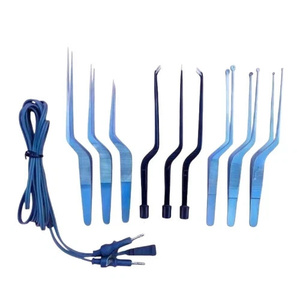
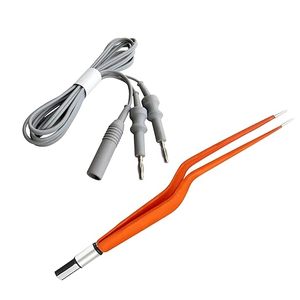
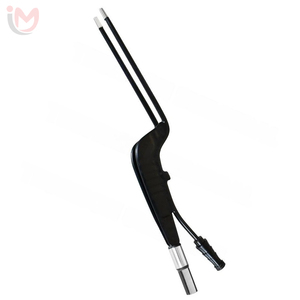
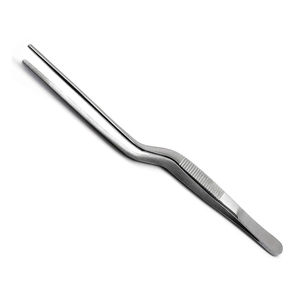
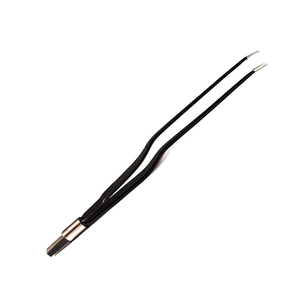
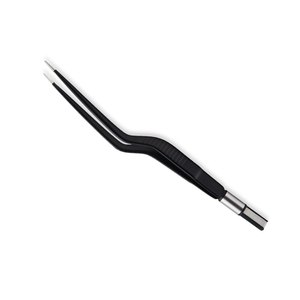
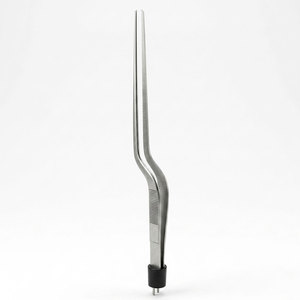
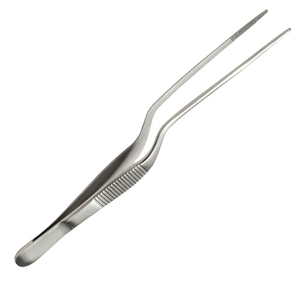
Engineering Principles: Metallurgy & Biomechanics in Surgical Retraction Systems
In modern operative environments, surgical retractors and microsurgical tissue handling tools—such as bayonet bipolar forceps and self-retaining frame systems—form the mechanical foundation of surgical field visualization. As a premier surgical retractors supplier and global exporter, our engineering paradigm is rooted in balancing structural yield strength, biomechanical elasticity, and tissue-sparing ergonomics. Surgical retractors must withstand continuous static tension without undergoing plastic deformation, while microsurgical bayonet instruments require zero line-of-sight obstruction and minimal tip deflection under micro-clamping forces.
The performance of operative retractors depends primarily on raw material composition and precise heat-treatment protocols. Reusable surgical instruments are fabricated from martensitic and austenitic stainless steel grades complying with ISO 7153-1 and ASTM F899 specifications. Martensitic alloys, such as AISI 420 and 420B, are deployed in load-bearing ratchets, self-retaining locks, and sharp-bladed retractor components, hardened to 48–54 HRC (Rockwell C) to resist notch fatigue and surface wear. Conversely, non-cutting blades, frame shafts, and wide hand-held retractor handles utilize austenitic AISI 304 or 316L stainless steel, celebrated for superior ductility, non-magnetic attributes, and extreme resistance to intergranular corrosion.
Beyond alloy selection, the surface condition of surgical retractors dictates their clinical longevity. Unpassivated or improperly finished steel leads to pitting corrosion and micro-rouge formation during autoclave exposure. Our manufacturing process incorporates automated ultrasonic cleaning followed by citric or nitric acid chemical passivation under ASTM A967 standards. This process strips free iron particles from the instrument surface, forming a dense, self-healing chromium oxide ($Cr_2O_3$) passive layer capable of enduring repeated 134°C steam sterilization cycles without structural degradation.
| Material Grade | Alloy Classification | Hardness Range | Tensile Strength (MPa) | Corrosion Index | Primary Clinical Application |
|---|---|---|---|---|---|
| AISI 420 / 420B | Martensitic Stainless Steel | 48 – 54 HRC | 1,450 – 1,600 | High Wear / Standard | Retractor Ratchets, Scissors, Box Joints |
| AISI 304 | Austenitic Stainless Steel | 20 – 25 HRC | 600 – 750 | Superior Chemical | Self-Retaining Frames, Large Blades, Trays |
| AISI 316L | Low-Carbon Austenitic Steel | 22 – 28 HRC | 650 – 800 | Maximum Pitting Res. | Implantable Contact Guides, Cannula Hubs |
| Titanium Ti-6Al-4V ELI | Alpha-Beta Titanium Alloy | 32 – 38 HRC | 900 – 1,050 | Immune to Saline | Micro-Bayonet Forceps, Non-Stick Electrosurgery |
Biomechanical Engineering & Tissue-Sparing Retractor Geometry
Optimized Blade Curvature
Blades are contoured with calculated radius tolerances to distribute tissue compression uniformly across operative margins, reducing localized ischemia and micro-vascular tissue necrosis during prolonged procedures.
Bayonet Sightline Offsets
Microsurgical bayonet handles offset the clinician's hand out of the optical axis of high-magnification surgical microscopes, permitting unobstructed illumination and millimeter-precise maneuverability in narrow deep-seated cavities.
Ratchet & Lock Precision
Self-retaining mechanisms feature hand-set, precision-milled ratchet teeth that allow incremental step-by-step tension control, preventing accidental mechanical release during intensive intraoperative retraction.
Future Procurement Trends in Surgical Instrument Sourcing
Key technological shifts reshaping global supply chains for hospital purchasing networks and OEM importers.
1. Non-Reflective PVD Surface Coatings
With the global rise of high-intensity LED surgical lighting and 4K ultra-high-definition robotic camera systems, classical mirror-polished stainless steel instruments create distracting glare. Future procurement pipelines heavily favor matte satin finishes and black titanium nitride (TiN) or Physical Vapor Deposition (PVD) ceramic coatings, which absorb excess light and enhance optical contrast under surgical microscopes.
2. Hybrid Retraction & Coagulation Integration
Surgeons increasingly demand multi-functional surgical instruments that combine mechanical retraction with active electrocautery capability. Advanced bayonet bipolar forceps with non-stick silver or titanium tips reduce instrument swapping during delicate neurosurgical procedures, accelerating operative times and lowering intraoperative blood loss.
3. Stringent Regulatory & UDI Compliance
Global medical device regulations (such as EU MDR 2017/745 and US FDA UDI regulations) mandate complete device traceability from forge to OR. Importers require direct fiber-laser marking of Unique Device Identification (UDI) matrix codes, lot numbers, and material certifications on every retractor frame to ensure seamless hospital inventory audit tracking.
Why SalarSurgicals is the Benchmark Surgical Retractors Supplier
Headquartered in the renowned manufacturing cluster of Sialkot, Pakistan, SalarSurgicals combines over two decades of traditional artisan craftsmanship with state-of-the-art 5-axis CNC machining, closed-die forging, and computerized vacuum heat-treatment technology. Producing medical instruments since 2005, our vertically integrated facility on Defence Road operates under an ISO 13485:2016 certified Quality Management System, supplying certified distributors and OEM brand owners across 45+ countries.
In-House Forging & CNC Machining
We do not broker components. From raw steel bar stock inspection via X-ray fluorescence (XRF) alloy analyzers to closed-die drop forging and micro-milling of box joints, every manufacturing step is conducted under strict in-house quality gates.
Master Craftsman Fitting
While automated CNC machining achieves tight dimensional tolerances, fine tensioning, jaw alignment, and micro-tip closure of bayonet forceps require the skilled touch of master artisans with decades of specialized instrument-fitting experience.
Turnkey OEM & Low MOQ Flexibility
We empower medical device importers with private-label customization—offering fiber-laser logo branding, custom tip geometries, specialized insulation coatings, and custom kit packaging with accessible starting MOQs of just 50 pieces per catalogue reference.
Surgical Retractor Procurement FAQs
Technical and commercial queries addressed by our export engineering team.
Partner with a Trusted Surgical Retractors Supplier Today
Expand your distribution portfolio with ISO 13485 certified surgical retractors, microsurgical bayonet tools, and OEM electro-surgical instruments engineered for extreme precision. Contact our engineering export desk to request technical spec sheets, sample kits, and factory-direct pricing.