AAMI PB70 vs. EN 13795: Evaluating Barrier Protection
A detailed breakdown of hydrostatic head pressure, impact penetration, and viral barrier testing requirements for international tender compliance.
Read Full PaperEngineered for maximum fluid control, zero linting, and absolute sterile boundary integrity. Directly manufactured in our ISO 13485 cleanroom facilities in Sialkot for global healthcare distributors and hospital GPOs.
As modern operating theaters transition to procedure-specific infection prevention, medical procurement officers and B2B distributors require verified information on material architecture, fluid collection capacity, regulatory compliance, and factory-direct OEM custom kitting.
In modern surgical environments, surgical site infections (SSIs) represent a major source of preventable healthcare-associated complications. Disposable Surgical Drape Kits serve as the primary microbial barrier separating non-sterile areas from the surgical field, patient anatomy, and operating room staff. Unlike traditional reusable cotton drapes—which experience rapid barrier degradation, fiber strike-through, and lint generation over repeated wash cycles—single-use non-woven surgical drape packs provide consistent, validated fluid resistance and microbial filtration.
At SalarSurgicals, our engineering team in Sialkot utilizes multi-layer non-woven polymer technology. The foundational layer consists of Spunbond-Meltblown-Meltblown-Spunbond (SMMS or SMMMS) polypropylene. The outer spunbond layers deliver exceptional tensile strength, tear resistance, and mechanical durability, while the dense inner meltblown micro-fibers create an impenetrable matrix against bloodborne pathogens, bacteria, and liquid strike-through.
Standardized and procedure-tailored non-woven drape configurations optimized for clinical efficiency, fluid containment, and absolute sterility.
Includes SMMS 55 GSM main drape with adhesive fenestration (20x25 cm), Mayo stand cover, instrument table cover, and utility drapes with tape.
Heavy-duty SMMMS 65 GSM drape with elastic limb cuff, integrated antimicrobial incise film, and dual high-capacity fluid collection pouches.
Dual femoral fenestrations with transparent side panels, line-holding hook-and-loop straps, and fluid absorbent reinforcement pads.
Integrated 360-degree fluid collection bag, drain port, breathable incise area, baby swaddle towel, and umbilical cord clamps.
Features abdominal fenestration with cable/hose holders, fluid-repellent side panels, and extra-long length for full OR table coverage.
Ultra-flexible thin PE film drape with eye fenestration, integrated drain pouch, non-linting absorbent bridge, and clear airway aperture.
Includes attached lithotomy leggings, rectal flap, mesh strain finger/filter pouch, and high-strength fluid management apron.
Tailored small-scale fenestrations, ultra-soft non-abrasive thermal-bonded non-woven layers, and hypoallergenic skin contact tape.
When selecting disposable surgical drape kits for tender compliance or distribution, purchasing teams must analyze fabric weight (GSM), hydrostatic head pressure, and linting characteristics. The table below details our standard material matrix:
| Fabric Type | Base Weight (GSM) | Hydrostatic Head (cm H₂O) | AAMI PB70 Level | Primary Surgical Application |
|---|---|---|---|---|
| SMS Standard Polypropylene | 40 - 50 GSM | > 50 cm | Level 2 / 3 | ENT, Minor Outpatient, Ophthalmic, Superficial Soft Tissue |
| SMMS High Performance | 50 - 60 GSM | > 90 cm | Level 3 | General Surgery, Laparoscopy, Abdominal, Gynecology |
| SMMMS / PE Laminate | 60 - 75 GSM | > 150 cm (Impermeable) | Level 4 | Orthopedic Joint Replacement, Open Heart, Trauma, C-Section |
| Breathable Microporous Film | 55 - 65 GSM | Impermeable (100%) | Level 4 | High-Fluid Procedures requiring thermal comfort for surgical team |
Insights into how technological innovation, environmental mandates, and supply chain re-engineering are reshaping the disposable surgical drape kits market.
The global healthcare sector generates millions of tons of single-use medical waste annually. Modern GPOs and European hospital networks are increasingly mandating sustainability criteria in public tenders. Consequently, the development of bio-based polypropylene, bio-degradable PLA (Polylactic Acid) non-wovens, and mono-material recyclable drape structures is accelerating. At SalarSurgicals, our R&D department is actively testing bio-blended SMMS structures that maintain AAMI Level 3 barrier protection while reducing carbon footprint during incinerative waste disposal.
Hospitals are shifting away from buying isolated components (drapes, gowns, towels, covers) toward fully customized procedure packs (CPTs). Pre-kitted Disposable Surgical Drape Kits streamline operating room setup times by up to 40%, reduce packaging waste, and decrease procurement administrative overhead. SalarSurgicals works directly with distributors to map out surgeon preference cards, enabling precise item inclusion in a single sterile blister pack.
Under the EU MDR 2017/745 and US FDA UDI (Unique Device Identification) regulations, full batch-level digital tracking from raw material roll to patient application is becoming mandatory. Modern surgical drape packs now incorporate GS1-compliant DataMatrix barcodes on both primary packaging pouches and outer transport cartons, allowing automated hospital inventory management systems to track lot expiration, sterilization dates, and recall protocols in real time.
Geopolitical shifts and freight volatility have forced major medical brand owners to diversify away from sole-source supply models. Sialkot, Pakistan, has emerged as a premier hub for high-precision surgical instruments and sterile medical packaging. By establishing direct OEM relationships with integrated manufacturers like SalarSurgicals, global buyers secure factory-direct pricing, guaranteed capacity allocation, and transparent quality management without intermediary trading markups.
Combining Sialkot's centuries-old medical craft tradition with state-of-the-art cleanroom assembly and rigorous ISO 13485 quality systems.
All drape folding, kitting, and primary sealing take place within environmentally controlled Class 8 (Grade C) cleanrooms with continuous HEPA filtration and airborne particle monitoring.
In-house and validated contract Ethylene Oxide sterilization cycles ensure a Sterility Assurance Level (SAL) of 10⁻⁶. Every batch undergoes EO residual analysis per ISO 10993-7.
Complete Technical Files, CE Certificates of Conformity under EU MDR 2017/745, and US FDA Establishment Registration simplify regulatory clearing for international importers.
Custom printed primary packaging, branded outer cartons, specialized folding routines, and private label art printing starting from low commercial MOQs.
Every raw material roll undergoes physical testing: Hydrostatic pressure (AATCC 127), Tensile strength (ASTM D5034), Lint generation (ISO 9073-10), and Peel bond strength.
From initial CAD layout of custom drapes to pre-production physical samples and container loading optimization, an expert biomedical engineer oversees your order.
Whether you require minor adjustments to standard fenestrations or full custom procedure pack development, our end-to-end OEM solution guarantees regulatory alignment and production efficiency.
A structured project lifecycle ensuring seamless delivery for distributors.
Authoritative answers to the most common queries raised by hospital purchasing directors, medical distributors, and regulatory auditors.
Our Disposable Surgical Drape Kits undergo comprehensive laboratory validation. For AAMI PB70 compliance, drapes are subjected to AATCC 42 (Water Resistance: Impact Penetration Test) and AATCC 127 (Water Resistance: Hydrostatic Pressure Test). For AAMI Level 4 critical zones, fabrics undergo ASTM F1671 (Resistance of Materials to Penetration by Blood-Borne Pathogens using Viral Penetration). Under European Standard EN 13795, testing evaluates microbial penetration (dry and wet via ISO 22610 / ISO 22612), particle release/linting (ISO 9073-10), and burst strength in both dry and wet states (ISO 13938-1).
Linting in operating rooms poses severe risks of micro-emboli, granuloma formation, and SSI vector transport. SalarSurgicals utilizes 100% continuous filament polypropylene SMMS/SMMMS fabrics processed via ultrasonic bonding and laser cutting rather than mechanical slitting. Manufacturing takes place in an ISO Class 8 cleanroom with positive differential pressure, HEPA filtration, and strict gowning protocols for operators to eliminate airborne particulates and bioburden prior to sterile sealing.
Our sterilization cycles are validated in compliance with ISO 11135 (Sterilization of health-care products — Ethylene oxide). We maintain a minimum Sterility Assurance Level (SAL) of 10⁻⁶ using Bacillus atrophaeus biological indicators. Following gas exposure, drapes undergo controlled forced aeration in heated degassing chambers. Gas chromatography analysis ensures residual Ethylene Oxide (EO) and Ethylene Chlorohydrin (ECH) levels remain well below the strict limits defined in ISO 10993-7 for patient skin contact devices.
Yes. Custom procedure kitting is our primary OEM strength. Importers can combine any required non-woven drapes with ancillary components, including surgical gowns (AAMI Level 3/4), Mayo stand covers, instrument table covers, utility drapes with adhesive strips, suture bags, tube holders, suction tubing, light handle covers, and footrest covers. Every pack is wrapped in a sterile inner wrap that serves as an auxiliary sterile field upon opening in the OR.
For standard catalogue drape kits, MOQs start at 500 units per reference. For customized private label OEM packs, MOQs range between 1,000 and 2,000 units depending on raw material specifications. Standard production lead time is 25 to 35 working days following sample artwork approval. Goods are exported under international Harmonized System (HS) Code 6307.9090 (Other Made-Up Articles / Surgical Drapes) with complete export paperwork, including Certificates of Origin, EUR.1 forms (where applicable), and full bill of lading lot traceability.
In-depth technical papers written by our QA engineers to assist medical buyers in evaluating infection control materials.
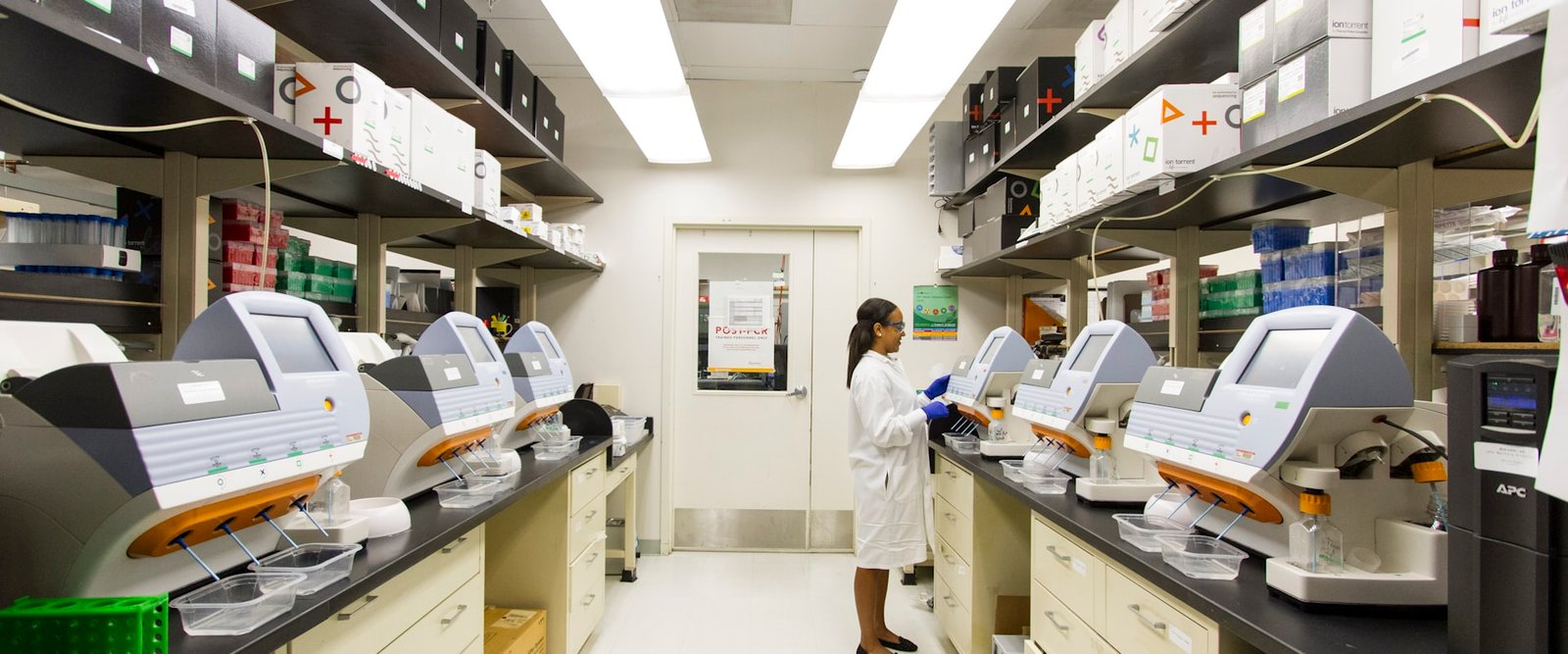
A detailed breakdown of hydrostatic head pressure, impact penetration, and viral barrier testing requirements for international tender compliance.
Read Full Paper
How cleanroom environmental controls, gas concentration, humidity, and degassing times guarantee SAL 10⁻⁶ without polymer degradation.
Read Full Paper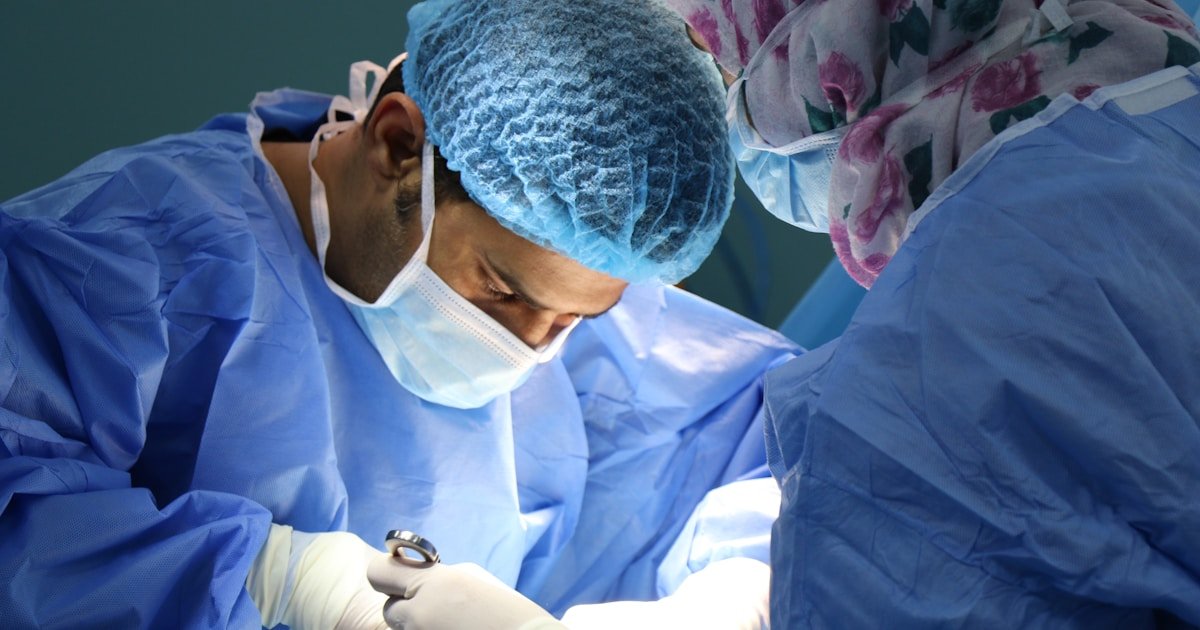
How intuitive drape folding routines reduce setup time and eliminate aseptic technique errors during patient draping.
Read Full PaperContact our biomedical engineering team today. Receive comprehensive technical specifications, sample kits, and direct factory pricing within 24 hours.