Featured Bipolar & Surgical Forceps Range
Engineered for Melbourne hospitals, microsurgical units, and electrosurgical distributors. All models feature high-grade insulation, precise tip convergence, and full autoclave resilience.
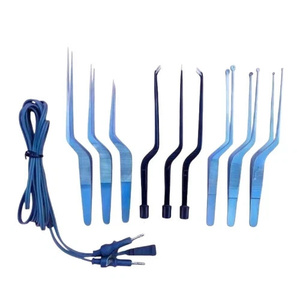
10 PCS Micro Bayonet Forceps Surgical Instrument Set Neurosurgery Tools
- 0.3mm – 0.7mm Micro-fine tips
- Ergonomic bayonet geometry
- High-durability stainless steel
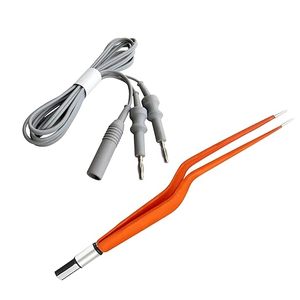
Bayonet Bipolar Forceps Professional Surgical Tool Stainless Steel
- Targeted thermal coagulation
- Satin anti-glare finish
- Precision spring action handle
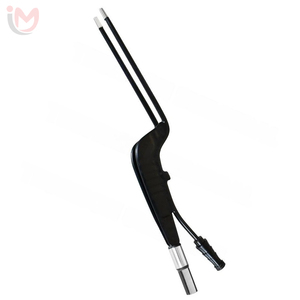
Wholesale Bayonet Bipolar Forceps Insulated Reusable Silicon Cable
- Heavy-duty nylon insulation coating
- Includes 3m autoclavable silicone cable
- Universal 2-pin generator fitment
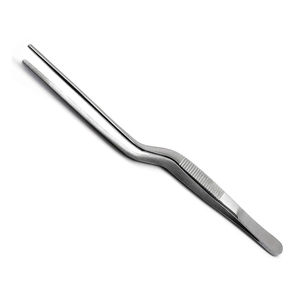
Adson Bayonet Forceps 16cm Serrated Tip Stainless Steel Surgical Tweezer
- 16cm length for superior control
- Micro-serrated slip-free tips
- AISI 420 martensitic steel
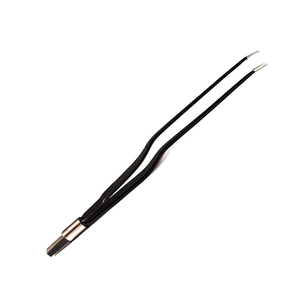
Neurosurgery Bayonet Non Stick European Bipolar Curved Forceps 22 cm
- 0.5mm tip angled up with guide stop
- Silver-alloy non-stick thermal coating
- CE & ISO 13485 certified quality
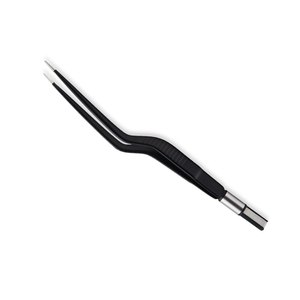
Premium Quality Bipolar Bayonet Forceps Black Coated Stainless Steel
- Black ceramic glare-reducing coating
- Smooth spring tension feedback
- Ideal for high-lux operating theatres
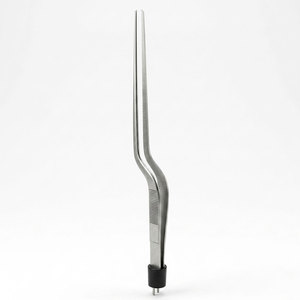
Wholesale Bayonet Non Insulated Bipolar Forceps 24cm (0.5mm-2.0mm Tip)
- Extended 24cm working shaft
- Multiple precision tip gauges
- Autoclavable open-structure steel
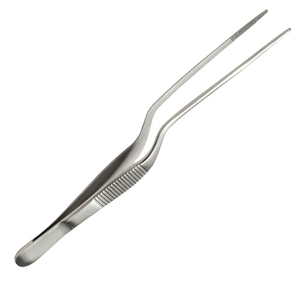
Stainless Steel Customized Manual Bayonet Ear Dressing Forceps Instrument Set
- Anatomical bayonet curvature
- Precision textured gripping tines
- CE certified for ENT procedures
Precision Bipolar Coagulation Technology in Melbourne's Health Infrastructure
An authoritative analysis of electrosurgical metallurgy, thermal lateral spread prevention, TGA regulatory conformity, and supply chain logistics for Victorian healthcare networks.
The modern surgical landscape across Melbourne—ranging from world-renowned research centers in the Parkville Biomedical Precinct to high-volume private surgical suites in East Melbourne and Malvern—demands absolute mechanical consistency and electrical stability from electrosurgical instruments. Bipolar forceps represent one of the most critical handheld thermal hemostasis tools in modern neurosurgery, otolaryngology (ENT), plastic and reconstructive surgery, and spinal interventions. Unlike unipolar electrosurgical systems, which route radiofrequency current through the patient’s body to a remote neutral return electrode, bipolar instrumentation confines high-frequency electrical energy strictly between the two tips of the forcep tines. This precise current localization dramatically reduces the risk of unintended off-target thermal injury, stray current alternate-path burns, and neuromuscular stimulation.
As a specialized manufacturer and direct supply partner serving Australian medical device distributors and hospital procurement units, our forging facility blends traditional surgical craftsmanship with advanced automated engineering. Operating under strict ISO 13485:2016 quality management standards, we deliver bipolar forceps designed to meet the rigorous expectations of Australian surgeons. Every instrument is forged from vacuum-melted martensitic stainless steel (AISI 420/420B) or Grade 5 Titanium alloy, coated with medical-grade dielectric insulation, and rigorously passivated to ensure long-term resistance to repetitive steam sterilization cycles in hospital Central Sterile Services Departments (CSSD).
Electrosurgical Physics & Thermal Mitigation Engineering
The primary clinical challenge during bipolar tissue coagulation is controlling thermal lateral spread while preventing eschar adherence. When high-frequency alternating current passes through micro-vascular tissue, cellular water rapidly boils and evaporates, causing protein denaturation and vessel sealing. However, if the forcep tip material exhibits low thermal conductivity or excessive electrical resistance, tissue debris quickly desiccates and adheres to the metal surfaces. This results in tissue tearing upon forcep removal, disrupting the fresh primary plug and causing secondary re-bleeding.
To overcome this issue, our premium non-stick bayonet bipolar forceps incorporate high thermal-conductivity internal cores—such as solid silver-alloy cladding or polished titanium substrates—that continuously draw peak heat away from the working tip. By maintaining an even thermal equilibrium across the coagulation surface, our instruments minimize eschar buildup, eliminate the need for intra-operative blade scraping, and significantly shorten operating times in delicate surgical sites.
| Feature Parameter | Standard Stainless Steel Bipolar | Insulated Bayonet Bipolar | Premium Solid Non-Stick Titanium |
|---|---|---|---|
| Primary Metallurgy | AISI 420 Martensitic Steel | AISI 420 with Nylon Coating | Titanium Grade 5 (Ti-6Al-4V) |
| Thermal Conductivity | Standard (15 W/m·K) | Standard (15 W/m·K) | High Dissipation Core (>22 W/m·K) |
| Dielectric Voltage Rating | Non-Insulated Shank | 500V Peak-to-Peak Insulation | 500V High-Temp Polymer Coating |
| Sterilization Threshold | 134°C Autoclave (200+ Cycles) | 134°C Autoclave (150+ Cycles) | 134°C Autoclave (500+ Cycles) |
| Tissue Adherence Rate | Moderate (Requires wiping) | Moderate (Requires wiping) | Ultra-Low (Eschar Resistant) |
| Magnetic Interference | Ferromagnetic | Ferromagnetic | 100% Non-Magnetic (MRI Compatible) |
Dielectric Insulation Integrity & Autoclave Resilience
In high-voltage electrosurgical environments, insulation integrity is a paramount safety factor. A microscopic pinhole leak or breakdown in the dielectric layer of a bipolar forcep can result in unintended electrical arcing to surrounding healthy tissues, surgical sponges, or adjacent laparoscopic cannulas. Our manufacturing protocol utilizes a specialized powder-coated nylon co-polymer or thick-wall blue/black insulation tubing that is heat-shrunk and baked onto the instrument shanks under cleanroom conditions.
This formulation is specifically engineered to withstand repetitive thermal expansion and contraction during hospital steam sterilization (typically 134°C at 2.1 bar for 18 minutes in Australian CSSDs) without cracking, peeling, or degrading at the metal-insulation seam. Every single batch undergoes 100% high-voltage spark testing (up to 4.0 kV AC) to verify zero dielectric leakage prior to final clean-pack sealing.
Tailored for Melbourne Healthcare Networks & Surgical Specialties
From major public tertiary teaching hospitals to specialized private day-surgery clinics across Victoria, our bipolar forcep configurations are engineered for distinct anatomical demands.
Neurosurgery & Cranial Base Surgery
In deep cranial procedures at centers such as The Royal Melbourne Hospital and St Vincent's Hospital, bayonet bipolar forceps are indispensable. The offset bayonet geometry keeps the hand and forcep body completely out of the operating microscope's sightline, giving neurosurgeons an unobstructed line of vision through micro-corridors. Tip geometries down to 0.3mm allow millimeter-precise pinpoint hemostasis adjacent to delicate cranial nerves.
ENT & Rhinology Procedures
For endoscopic sinus surgery (ESS) and delicate middle-ear reconstruction in clinics throughout East Melbourne, narrow 20cm to 24cm extra-long bayonet forceps are required. Our fine angled-up tip configurations allow otolaryngologists to reach deep nasal turbinates and sphenoid sinuses, delivering targeted coagulation without thermal damage to optics or surrounding mucosal linings.
Plastic, Reconstructive & Micro-Vascular
Micro-vascular reconstructive surgery and facial cosmetic procedures performed across Melbourne’s private hospitals require zero-drift tip alignment. Our Adson and Jeweler-style bipolar forceps feature micro-guide pins that maintain perfect tine alignment under intense side-loading, preventing cross-crossing of tips during delicate vascular anastomoses.
Navigating TGA Requirements & Victorian Public Health Trends
The Australian medical device sector operates under one of the world's most thorough regulatory frameworks enforced by the Therapeutic Goods Administration (TGA). For hospital procurement managers and medical device importers in Melbourne, verifying compliance with Essential Principles is mandatory prior to ARTG inclusion.
Complete TGA Technical Dossier Support
We supply comprehensive technical files, biocompatibility reports (ISO 10993), electrical safety validation (IEC 60601-2-2), and clinical evaluation summaries required by local sponsors for ARTG listing.
Reusable Sustainability in Victorian Public Hospitals
In response to Victorian Health Building Authority (VHBA) environmental directives, public health networks are transitioning back to validated, heavy-duty reusable bipolar instruments to cut down single-use medical plastic waste.
Universal Electrosurgical Generator Compatibility
Our bipolar forceps are compatible with major electrosurgical generator brands widely installed throughout Australian operating theaters, including Erbe, Valleylab/Medtronic, Martin, and Olympus units via standardized 2-pin European or US banana plug silicone cables.
Custom Forging & Contract Manufacturing
Looking to establish your own brand of electrosurgical tools in Australia? We partner with Australian wholesalers to offer turnkey OEM solutions with low Minimum Order Quantities (MOQs).
- Fiber laser marking of custom logo, SKU reference & LOT codes
- Custom tip dimensions (0.3mm to 2.0mm) & specialized bends
- Custom handle insulation colors (Blue, Black, Orange, Yellow)
- Pre-sterilized pouch or tray-ready packaging options
Why Leading Medical Distributors Partner With Our Factory
We unite time-tested hand crafting techniques with modern CNC wire electrical discharge machining (EDM) and rigid automated quality control.
100% Raw Material Traceability
Every forging heat lot of German martensitic steel or titanium is backed by certified chemical composition analysis and hardness testing records (HRC 45-52), guaranteed corrosion-resistant per ISO 7153-1.
Micro-Laser Joint Alignment
Precision alignment stop-pins are micro-laser welded under argon shielding. This prevents tip alignment shift even under prolonged lateral compression, preserving delicate tip convergence.
Direct Melbourne Supply Logistics
Fast air-freight dispatch straight to Melbourne Airport (Tullamarine) or sea freight to Port of Melbourne. We handle all export customs declarations, commercial invoicing, and packing lists with full compliance.
Frequently Asked Questions by Melbourne Buyers
Clear, direct answers regarding ordering, technical specifications, customization, and local delivery to Victoria.
Q: What is the typical lead time for delivery to Melbourne, Australia?
For standard catalogue bipolar forceps in stock, order processing and air freight dispatch to Melbourne take approximately 7–12 working days. Custom OEM production runs featuring personalized laser branding, specific tip geometries, or tailored packaging require 25–35 working days following pre-production sample approval.
Q: Do your bipolar forceps comply with Australian TGA and ISO requirements?
Yes. Our manufacturing facility operates an ISO 13485:2016 audited quality system, and all reusable electrosurgical instrument families hold European CE marks under EU MDR guidelines. We supply comprehensive technical documentation to assist Australian sponsors and medical distributors in completing their ARTG listings.
Q: Are your bipolar forceps compatible with generators used in Australian hospitals?
Absolutely. Our bipolar forceps feature standardized European flat connectors or 2-pin flying lead connections. We also supply matching reusable silicone bipolar cables compatible with Erbe VIO/ICC, Valleylab, Martin, Bovie, and Olympus electrosurgical generators.
Q: What is the Minimum Order Quantity (MOQ) for wholesale or OEM orders?
For standard catalog items, our minimum order quantity starts at just 20 pieces per reference, allowing private clinics and small distributors to sample our quality. For custom OEM branding and private-label packaging, our baseline MOQ is typically 50 pieces per SKU.
Q: How should CSSDs in Melbourne process and autoclave these instruments?
Our insulated bipolar forceps are fully validated for automated washer-disinfectors using pH-neutral enzymatic detergents, followed by pre-vacuum steam autoclaving at 134°C for a minimum of 3.5 to 18 minutes. Detailed Instructions for Use (IFU) adhering to AS/NZS 4187 standards are included with every delivery.
Partner With a Direct Bipolar Forceps Factory
Upgrade your surgical instrument inventory with precision-engineered, ISO 13485 certified bipolar forceps. Request a competitive factory-direct quote or OEM technical consultation today.