Precision Surgical & Bone Rongeurs Range
Forged, hand-fitted, and passivated under ISO 13485:2016 standards. Designed for high-repetition orthopedic, spine, and neurosurgical procedures in Brazilian hospitals.
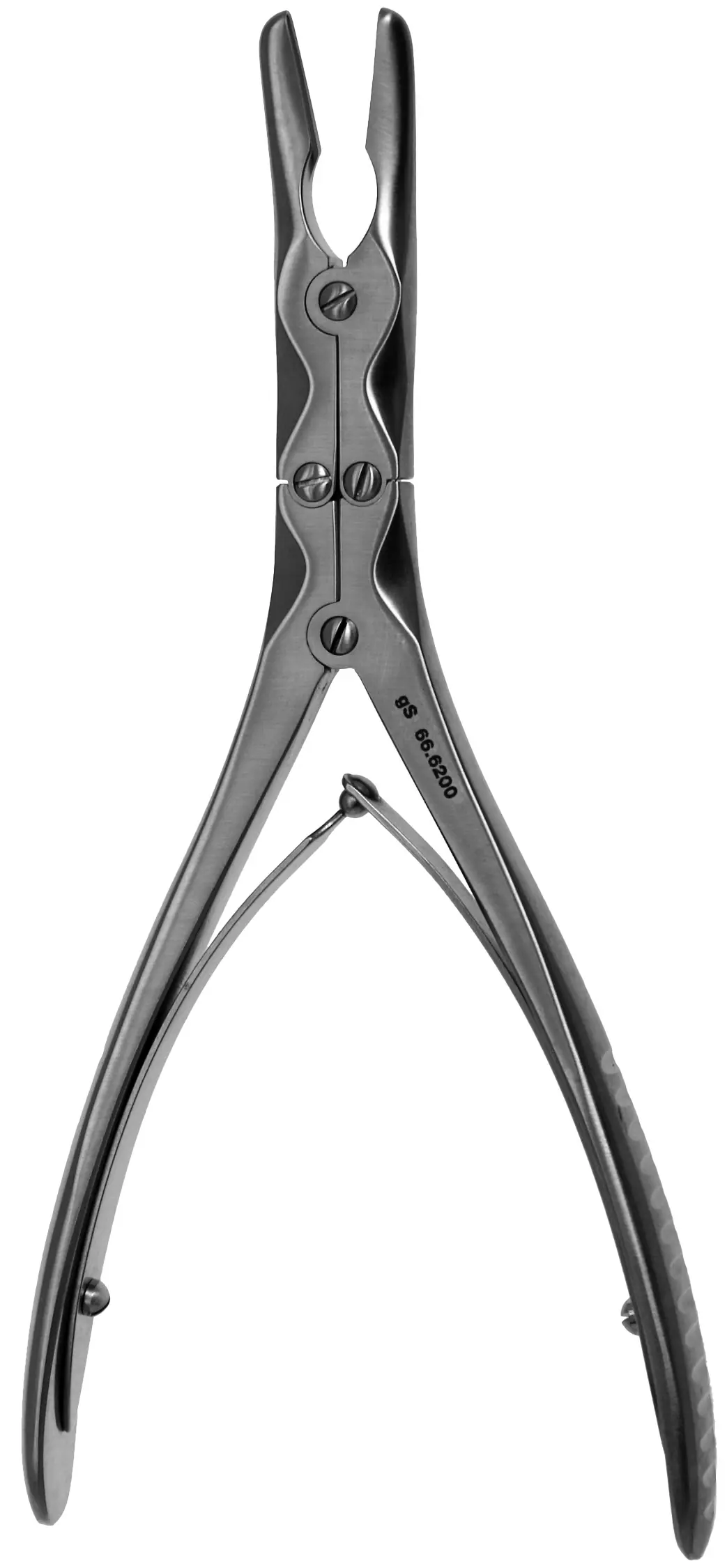
Beyer Bone Rongeur 7" (3mm Curved Jaw)
- German AISI 420B Steel (HRC 52-56)
- Double-action mechanical leverage
- Curved 3mm cup jaw for delicate bone gouging
- Passivated ASTM A967 finish
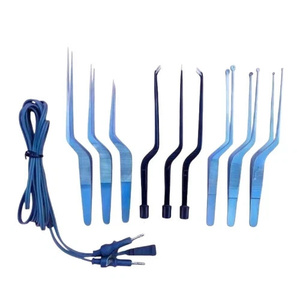
10 Pcs Micro Bayonet & Rongeur Kit
- Complete bayonet neuro-instrument set
- Ergonomic bayonet offset design
- Fine-tip delicate tissue & bone handling
- Autoclave resistant up to 134°C
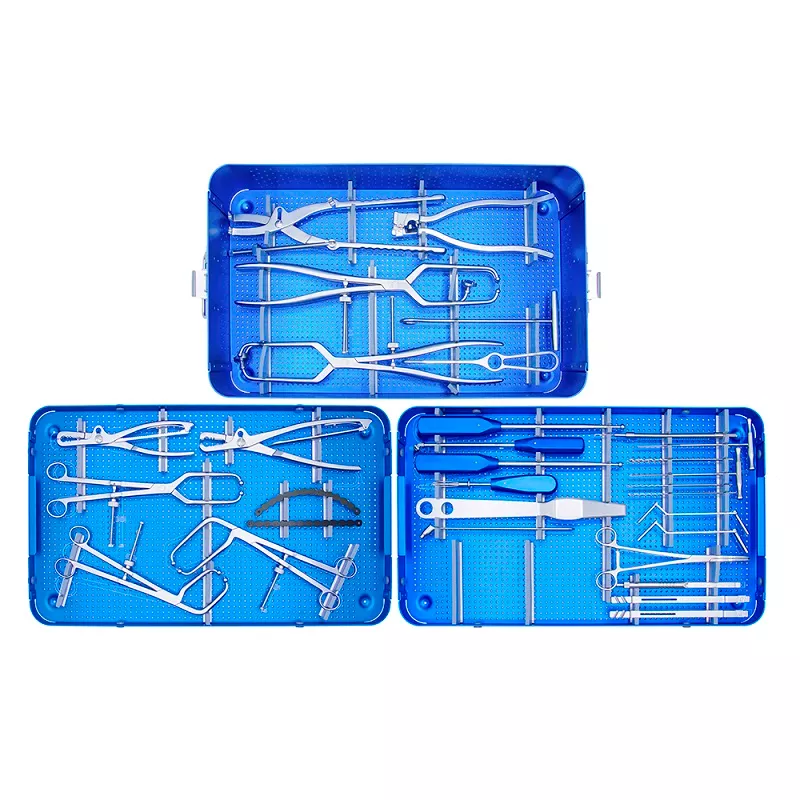
Orthopedic Trauma & Bone Rongeur Set
- Heavy-duty bone nibblers & rongeurs
- Tray-mounted laser-numbered slots
- Suitable for pelvic & large fragment cases
- CE Marked & ISO 13485 Certified
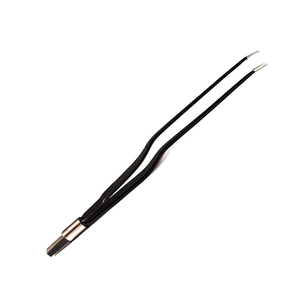
Neurosurgical Bayonet Curved Rongeur
- 22 cm working length with depth stop
- 0.5mm - 1.0mm ultra-fine bite tip
- Non-stick surface coating options
- Precision alignment box lock joint
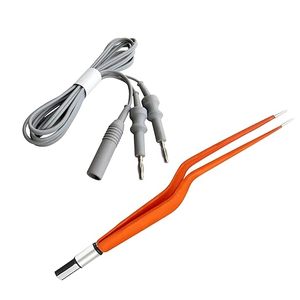
Bayonet Bipolar Surgical Forceps
- High-durability stainless steel body
- Fine-tip coagulation & bone margin prep
- Compatible with European/USA generators
- High-grade nylon thermal insulation
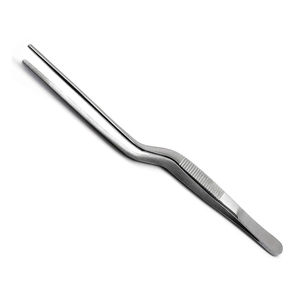
Adson Bayonet Surgical Forceps 16cm
- Micro-serrated grip jaws
- AISI 420 stainless steel forging
- Non-glare satin finish for OR illumination
- Laser marked custom branding ready
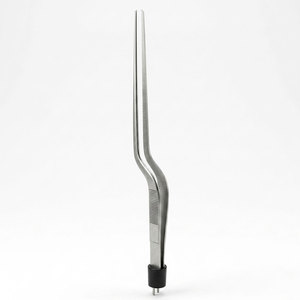
Deep-Access Bayonet Rongeur Forceps 24cm
- Extended 24cm shaft for deep surgical cavities
- 0.5mm, 1.0mm, 2.0mm tip variations
- Optimized spring tension to reduce fatigue
- 100% Brazilian hospital autoclave approved
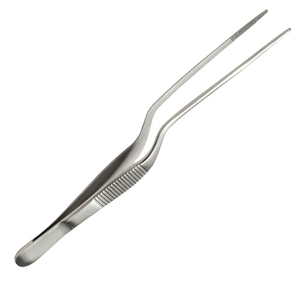
ENT & Maxillofacial Bayonet Instrument Set
- Precision jaw alignment for bone fragments
- High corrosion resistance under harsh detergents
- Custom OEM packaging for Brazilian brands
- Full technical file support for ANVISA RDC
Executive Whitepaper: Sourcing High-Performance Bone Rongeurs for the Brazilian Healthcare Market
The demand for high-precision orthopedic instruments across South America—most notably within Brazil's expansive healthcare infrastructure—has undergone a structural transformation. Surgical facilities in major medical hubs such as São Paulo, Rio de Janeiro, Belo Horizonte, and Porto Alegre are increasingly prioritizing instrument longevity, ergonomic physics, and stringent regulatory compliance over low-cost single-use alternatives. As a dedicated OEM/ODM bone rongeurs factory and direct international supplier serving Brazil, SalarSurgicals delivers world-class surgical tools engineered specifically to withstand the grueling demands of high-volume operating theaters and complex sterilization cycles.
"In orthopedic, spinal, and neurosurgical procedures, a bone rongeur is not merely a cutting tool; it is an extension of the surgeon's tactile control. A failure in jaw bite sharpness, joint alignment, or corrosion resistance directly impacts operating room efficiency and patient outcomes."
1. The Brazilian Medical Procurement Landscape: SUS & Private Hospital Demands
Brazil operates a dual healthcare system: the public Sistema Único de Saúde (SUS), which serves the majority of the population, and a rapidly expanding private sector led by premier hospital networks such as Rede D'Or São Luiz, Hospital Israelita Albert Einstein, and Beneficência Portuguesa. Both sectors face distinct operational challenges that dictate their procurement strategies for orthopedic bone rongeurs, bone cutters, and neurosurgical bayonet instruments:
Public Sector (SUS) Procurement Dynamics: Public tenders require instruments that offer an exceptional cost-to-lifespan ratio. Bone rongeurs supplied to SUS-affiliated emergency centers must endure continuous daily use in trauma surgery (such as compound fracture debridement and acute spinal decompression). Frequent autoclave processing with heavy-duty enzymatic detergents demands superior metallurgical resistance against micro-pitting and stress corrosion cracking.
Private Hospital Network Standards: Private hospital chains in Brazil focus heavily on surgeon satisfaction, reduced operative times, and procedural precision. Surgeons in these facilities demand double-action leverage mechanisms (such as Beyer, Ruskin, and Luer-Stille patterns) that minimize hand fatigue during prolonged laminectomies or cranial bone resections. Furthermore, instruments must feature flawless non-glare satin finishes to prevent visual distortion under high-intensity OR LED surgical lighting.
2. Metallurgical Precision & Mechanical Engineering of SalarSurgicals Bone Rongeurs
Manufactured in Sialkot—the global hub of surgical instrument craftsmanship—SalarSurgicals combines over two decades of hand-finishing heritage with modern CNC machining, vacuum heat treatment, and automated chemical passivation. The structural integrity of our bone rongeurs is grounded in rigorous material selection:
| Steel Grade Standard | Hardness (Rockwell HRC) | Primary Application | Metallurgical Advantage |
|---|---|---|---|
| AISI 420B (German Grade 1.4028) | 52 - 54 HRC | Beyer, Lempert, & Frykholm Rongeurs | Optimal balance of edge retention and ductility under heavy biting torque. |
| AISI 420C (German Grade 1.4034) | 54 - 56 HRC | Kerrison Up-Biting Spine Rongeurs | Ultra-hard cutting edge designed for shearing dense cortical bone and calcified ligaments. |
| AISI 304 / 316L Stainless Steel | Non-Cutting Components | Handles, Springs, & Sterilization Trays | Maximum resistance to organic chemical corrosion and steam sterilization oxidation. |
| Titanium Grade 5 (Ti-6Al-4V) | Non-Magnetic / Lightweight | Micro-Bayonet Forceps & Rongeurs | 40% lighter than steel; non-reflective and ideal for intraoperative MRI environments. |
Double-Action Fulcrum Physics: Large bone rongeurs, such as the Luer-Stille and Stille-Luer patterns, utilize double-action box locks. This dual-pivot leverage mechanism multiplies the manual force applied by the surgeon's hand by up to 300%, allowing clean resection of thick cortical bone with minimal physical strain. Our factory calibrated screw pivots and hand-ground box locks ensure smooth action without lateral blade play, eliminating bone slippage during critical steps.
Kerrison Laminectomy Precision: Kerrison rongeurs represent one of the most mechanically demanding instruments in spine surgery. SalarSurgicals produces 90-degree and 40-degree forward and ejector-style Kerrison rongeurs with bite sizes ranging from 1.0mm to 6.0mm. Each footplate is micro-machined to an ultra-thin profile, allowing safe insertion beneath the spinal lamina without damaging the underlying dura mater.
3. ANVISA Regulatory Alignment & Technical File Support for Importers in Brazil
Importing surgical devices into Brazil requires strict compliance with the Agência Nacional de Vigilância Sanitária (ANVISA) under resolution RDC 665/2022 (Good Manufacturing Practices for Medical Devices). Foreign suppliers must provide comprehensive technical dossiers to their Brazilian distributor partners to facilitate product registration (Notificação or Registro).
As an established factory direct supplier to South America, SalarSurgicals provides complete regulatory backing, including:
• ISO 13485:2016 Certification: Certified Quality Management System covering raw material procurement, forging, machining, polishing, chemical passivation, and packaging.
• Material Test Reports (Mill Certificates): Full chemical analysis verification (Spectrometry) confirming exact chromium, carbon, and nickel percentages for every steel heat lot.
• Passivation & Corrosion Compliance: Certified chemical passivation compliant with ASTM A967 and ISO 13402 standards (boil test and copper sulfate test verification).
• Technical Drawings & Dimensional Reports: Detailed CAD schematics, jaw tolerances, and functional performance testing documentation ready for ANVISA dossier submission.
4. Localized Application Scenarios Across Brazilian Surgical Specialties
Spine & Neurosurgery
Used extensively in posterior lumbar interbody fusion (PLIF) and cervical laminectomies across spine centers in São Paulo. Micro Kerrison and bayonet-shaped rongeurs ensure precise excision of herniated disc material and hypertrophied ligamentum flavum.
Orthopedic Trauma
Essential for emergency rooms in Rio de Janeiro handling traffic and sports trauma. Heavy-duty Ruskin-Liston and Stille rongeurs trim bone spurs, shape callus tissue, and prepare fracture margins for internal fixation plates.
Maxillofacial & ENT
Small-cup Lempert and Blumenthal rongeurs engineered for delicate craniofacial reconstruction, rhinoplasty bone adjustments, and oral surgery clinics in Southern Brazil.
5. OEM Private Label Program: Tailored Branding for Brazilian Distributors
For established Brazilian surgical distributors seeking to build market equity under their own brand name, SalarSurgicals offers a complete OEM Private Label Program. We handle everything from custom jaw modifications to retail-ready packaging:
Send us your technical specs, target patterns, or sample instruments. Our engineers create CAD drawings within 48 hours.
High-precision laser etching of your brand logo, REF catalog number, LOT code, CE mark, and UDI matrix barcode.
Select from satin matte, mirror polish, black ceramic non-glare coating, or gold-plated handles for TC insert identification.
Pouching, branded box packaging, custom sterilization tray mounting, and full export documentation (FOB, CIF, or DDP Santos).
Frequently Asked Questions for Brazilian Procurement
Direct technical and commercial answers for hospital buyers, medical device importers, and OEM brand owners in Brazil.
What technical documentation is provided to support ANVISA registration in Brazil?
We supply a complete ANVISA-ready technical file package. This includes our ISO 13485:2016 certificate, CE Declaration of Conformity, raw material stainless steel mill test certificates (chemical analysis), chemical passivation compliance certificates (ASTM A967), biocompatibility test summaries, and 2D/3D CAD dimensional drawings.
Why are double-action bone rongeurs preferred in Brazilian orthopedic trauma centers?
Double-action mechanisms (such as Beyer, Ruskin, and Luer-Stille) utilize a dual-pivot fulcrum design that multiplies hand pressure while absorbing mechanical shock. This allows surgeons to cut through dense cortical bone effortlessly, drastically reducing hand fatigue during lengthy trauma procedures. Furthermore, it protects the jaw tips from premature shearing wear.
What is the typical minimum order quantity (MOQ) for OEM orders shipping to Brazil?
For standard catalog bone rongeurs and surgical forceps, our minimum order quantity starts at just 50 pieces per catalog reference. For fully customized OEM instruments requiring bespoke forging dies, our standard MOQ is 100 to 250 pieces, keeping tooling costs commercially viable for your market launch.
How do SalarSurgicals instruments withstand automated washer-disinfectors and steam autoclaves?
Every instrument undergoes multi-stage ultrasonic cleaning to remove polishing compounds, followed by an acid passivation bath (nitric or citric chemical treatment). This process forms an impenetrable chromium oxide layer over the steel. Our rongeurs are validated to withstand over 500 standard 134°C steam autoclave cycles without pitting, rusting, or joint stiffness.
What are the lead times and shipping terms available for Brazilian ports?
Repeat catalog orders ship within 20 to 30 business days. First-time OEM orders featuring custom laser marking and packaging take 35 to 45 business days following sample approval. We offer flexible incoterms including FOB Karachi, CIF Port of Santos / Paranaguá, or direct Air Express freight (DHL/FedEx) for urgent hospital supplies.
Can we request customized jaw widths or bite angles for specialized neurosurgical rongeurs?
Yes. Our engineering shop specializes in custom tool-making. We can adjust Kerrison bite sizes (e.g., 1.5mm, 2.5mm, 3.5mm), shaft lengths (from 15cm up to 30cm for bariatric/deep spine access), forward or upward bite angles (40° vs 90°), and specialized handle shapes to meet your surgeons' specific preferences.
Partner with a Direct Bone Rongeurs Manufacturer
Streamline your surgical supply chain in Brazil with certified German-steel rongeurs, OEM custom branding, and unbeatable direct factory pricing. Contact our export desk today for pricing, technical drawings, and sample orders.
Contact Us