Featured Electrosurgical & Bayonet Forceps Series
Direct manufacturer supply from Sialkot to Russian medical importers, federal hospitals, and surgical distributors. Fully compatible with domestic (FOTEK) and international (Erbe, Martin, Valleylab) electrosurgical generators.
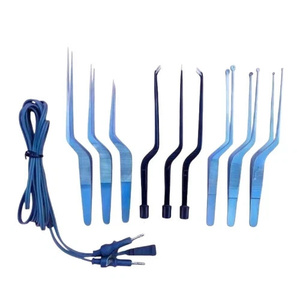
10 PCS Micro Bayonet Forceps Surgical Instrument Set
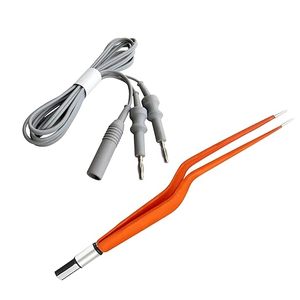
Professional Bayonet Stainless Steel Bipolar Forceps
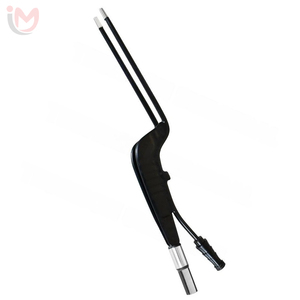
Insulated Bayonet Bipolar Forceps & Silicone Cable Set
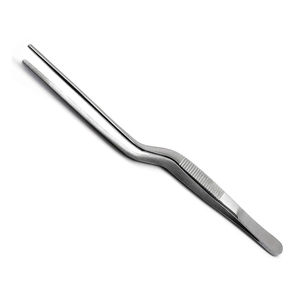
Adson Bayonet Forceps 16cm Serrated Tip Tweezer
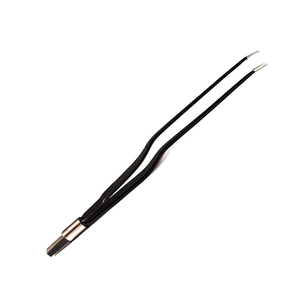
Neurosurgery Non-Stick European Bipolar Forceps 22cm
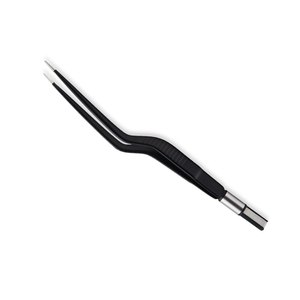
Black Color Coated Bipolar Bayonet Forceps Instrument Set
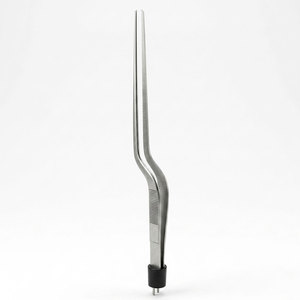
Non-Insulated Bayonet Bipolar Forceps (0.5mm-2.0mm)
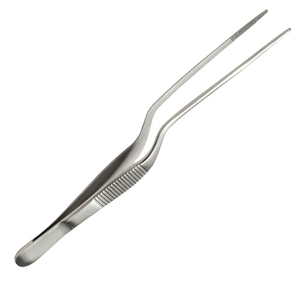
Stainless Steel Manual Bayonet Ear Dressing Forceps
High-Frequency Electrosurgery & Monopolar/Bipolar Instrument Architecture in Modern Eurasian Healthcare
Electrosurgery remains the cornerstone of modern surgical hemostasis, tissue dissection, and fulguration. In high-volume surgical centers across the Russian Federation—ranging from federal scientific research institutes in Moscow and St. Petersburg to regional clinical hospitals in Novosibirsk and Yekaterinburg—the demand for durable, thermally stable electrosurgical pencils and bipolar bayonet forceps has escalated significantly. This technical report provides an exhaustive evaluation of electrosurgical instrument manufacturing parameters, metallurgical selections, insulation dielectric integrity, and localized compliance protocols required to serve the Russian medical device procurement sector efficiently.
1. Technical Architecture of High-Frequency Electrosurgical Pencils & Bipolar Forceps
The core functionality of electrosurgical devices depends on controlled radiofrequency (RF) electrical current passing through patient tissue. Monopolar electrosurgical pencils deliver active RF energy through a small electrode tip (blade, needle, or ball), requiring a return patient grounding pad. Bipolar bayonet forceps, conversely, restrict current flow entirely between the two tips of the instrument, offering micro-coagulation without lateral thermal spreading to adjacent neurological or vascular structures.
| Performance Characteristic | Monopolar Electrosurgical Pencils | Bipolar Bayonet Coagulation Forceps |
|---|---|---|
| Primary Application | Gross tissue cutting, rapid hemostasis, open abdominal/thoracic surgery | Microsurgery, neurosurgery, ENT, delicate vascular isolation |
| Operating Voltage / RF Peak | 1,000V – 4,000V Peak-to-Peak (Cutting / Coagulation Modes) | 300V – 800V Peak-to-Peak (Bipolar Micro Coagulation) |
| Insulation Requirement | Molded ABS / PVC with 5,000V dielectric isolation coating | Polyamide / Nylon / Silicone layer rated to 134°C steam autoclaving |
| Tip Metallurgy | AISI 304 Stainless Steel, PTFE Non-stick, or Tungsten alloy | AISI 420 Martensitic Steel, Solid Silver Alloy, or Titanium Gr. 5 |
| Generator Interface | Standard 3-pin banana plug or international valley-type connector | Universal 2-pin plug, European flat connector, or Erbe coaxial plug |
2. Metallurgical Standards & Precision Passivation for Extended Instrument Lifespan
SalarSurgicals operates a vertically integrated forge and machining facility in Sialkot, utilizing strict metallurgical selection rules tailored for reusable medical devices. Reusable surgical instruments exported to Russia must comply with strict mechanical stress tolerances to prevent jaw misalignment, tip splay, or micro-pitting under rigorous cleaning agents.
Cutting and holding components are forged from martensitic stainless steel grades (AISI 410, 420, and 420B), providing high tensile strength and Rockwell hardness (typically 48–54 HRC). For non-cutting components, structural shanks, and sterilization trays, austenitic AISI 304 and AISI 316L stainless steel are selected due to their non-magnetic properties and superior resistance to chemical attack. Titanium Grade 5 (Ti-6Al-4V) is specifically utilized for premium non-stick neurosurgical bipolar forceps to minimize hand fatigue and resist thermal expansion during prolonged micro-coagulation.
Following CNC milling and hand-fitting by master artisans, every instrument undergoes automated ultrasonic cleaning and chemical passivation according to ASTM A967 protocols. This process strips free iron particles from the alloy surface, forming a dense, self-healing chromium oxide barrier (Cr2O3) that preserves corrosion resistance across hundreds of sterilization cycles in Russian hospital central sterile supply departments (CSSD / ЦСО).
Localized Application Scenarios Across Russian Health Districts
Understanding regional operational demands is essential for medical device distributors and federal procurement contracts across the Russian Federation.
1. Neurosurgical Institutes (Moscow & St. Petersburg)
In complex intracranial tumor resections and aneurysm clipping, surgeons demand 22cm to 24cm non-stick silver-tip bayonet bipolar forceps. The bayonet bend ensures an unobstructed line of sight under high-power operating microscopes, while silver alloy tips prevent tissue charring and vessel adhesion during delicate micro-hemostasis.
2. Emergency & Trauma Trauma Units (Siberian & Far East Districts)
Surgical units operating in extreme climate zones require highly resilient equipment. Reusable silicone bipolar cables engineered by SalarSurgicals maintain physical flexibility down to -40°C without jacket embrittlement or insulation cracking, ensuring instant readiness in mobile emergency response and regional trauma hospitals.
3. High-Volume Oncological & General Surgery Centers
For continuous abdominal resections, monopolar electrosurgical pencils equipped with integrated smoke evacuation channels are essential. They eliminate toxic surgical smoke plumes while offering push-button switching between cut and coag modes, fully compatible with Russian federal occupational safety mandates.
Russian Medical Procurement Dynamics & Generator Compatibility Analysis
The Russian medical device market is undergoing a significant transformation in sourcing strategy. Importers and hospital procurement managers are actively seeking direct manufacturing partners in Pakistan (Sialkot) to establish secure, cost-effective, and sanction-compliant supply chains without sacrificing European quality standards.
1. Compatibility with Russian Federal & Domestic ESU Platforms
A primary friction point for medical importers in Russia is connector compatibility. Russian hospitals widely utilize domestic electrosurgical units manufactured by FOTEK (ООО "ФОТЕК") alongside imported European generators. SalarSurgicals supplies electrosurgical pencils and bipolar silicone cables fitted with custom pin adapters, including standard 2-pin 4.0mm banana plugs, European flat connectors, and 2-pin male plugs designed specifically for seamless coupling with FOTEK, Erbe VIO 300/200, Martin, and Valleylab systems.
2. Regulatory Technical Files for Roszdravnadzor (Росздравнадзор) Registration
To register surgical instruments with Roszdravnadzor and obtain the required Registration Certificate (Регистрационное Удостоверение - РУ), importers require comprehensive technical documentation. SalarSurgicals provides complete technical dossier packages under Non-Disclosure Agreements (NDA), including:
- ISO 13485:2016 Audit Certificates: Issued by accredited notified bodies for full QMS compliance.
- Material Certificates & Melt Heat Lots: Mill test reports verifying AISI 420 / 304 / 316L chemical compositions.
- Dielectric Isolation Strength Test Reports: Proof of electrical safety testing up to 5kV peak voltage.
- Toxicological & Biocompatibility Dossiers: Cytotoxicity, sensitization, and intracutaneous reactivity reports according to ISO 10993 standards.
- Autoclave Longevity Validation: Accelerated aging data demonstrating functional durability past 200 steam sterilization cycles.
Enterprise OEM & Manufacturing Advantages for Importers
We eliminate trading middlemen by offering factory-direct manufacturing from our Sialkot facility with custom private-label branding.
Precision Fiber Laser Branding
Custom laser etching of your brand logo, unique catalogue numbers (REF), batch numbers (LOT), CE markings, and UDI matrix codes. All laser markings undergo post-passivation to guarantee zero rust formation around engraved boundaries.
Flexible Low Minimum Order Quantities
Standard catalogue references start at low MOQs of 50 pieces per item. Bespoke OEM patterns requiring custom forging dies or specialized silicone molding tooling start at accessible 100–250 piece thresholds, minimizing initial capital expenditure for regional distributors.
Robust Export Documentation & Logistics
Complete commercial invoices, packing lists, Certificates of Origin (Form A / Chamber Stamped), and customized customs declaration paperwork optimized for swift Russian customs clearance via air freight (Moscow SVO/DME) or multimodal sea-land transit routes.
Frequently Asked Questions for Russian Medical Device Buyers
Key questions addressed by our international export desk regarding compliance, custom specifications, and trade logistics.
Request Direct Factory Quotation & Technical Dossier
Connect with our senior export engineers today. Receive factory-direct pricing, material specifications, and sample evaluation packages for your Russian medical distribution network.