Surgical Instruments & Sterilization Containment Solutions
Direct factory supply for Portuguese healthcare providers and surgical instrument distributors. High-grade stainless steel & bipolar systems designed for rigorous autoclave cycles.
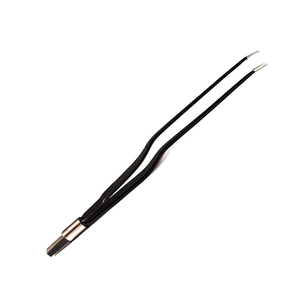
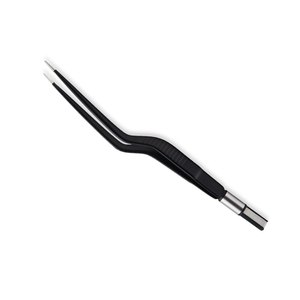
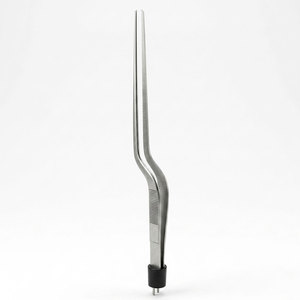
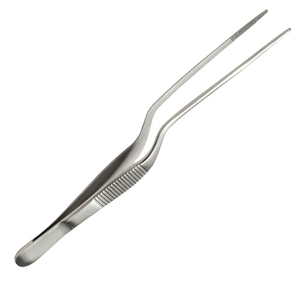
1. Technical Executive Overview: Medical Sterilization Trays Market in Portugal
The healthcare infrastructure of Portugal—comprising both the public Serviço Nacional de Saúde (SNS) hospital networks and prominent private medical groups such as CUF, Luz Saúde, and Lusíadas—operates under stringent European regulatory directives. As Portugal aligns with the EU Medical Device Regulation (MDR 2017/745) and National Authority for Medicines and Health Products (INFARMED) guidelines, the demand for high-integrity, reusable medical instrument sterilization trays, cassettes, and wire baskets has reached unprecedented levels.
Sterilization trays serve as the foundational containment system within the Central de Material Esterilizado (CME) of hospitals in Lisbon, Porto, Coimbra, and Faro. They must maintain structural rigidity under repeated high-temperature steam sterilization cycles (134°C autoclave processes), protect delicate microsurgical, neurosurgical, and orthopedic tools from mechanical damage, and optimize steam penetration and rapid drying in compliance with EN ISO 17665 and DIN 58952 standards.
Key Regulatory & Material Compliance Drivers for Portuguese Buyers
- INFARMED & EU MDR 2017/745 Traceability: Complete material heat-lot traceability, passivated surfaces to eliminate free iron, and compatibility with UDI laser marking systems.
- Electropolished AISI 316L & 304 Stainless Steel: Corrosion-resistant alloys formulated specifically to survive aggressive chemical decontamination, enzymatic washing, and thermal disinfection routines.
- Modular DIN & ISO Dimension Compatibility: Standardized footprints (1/1 DIN, 1/2 DIN, 1/4 DIN) engineered to integrate smoothly with automated washer-disinfectors and steam sterilizers manufactured by leading European brands.
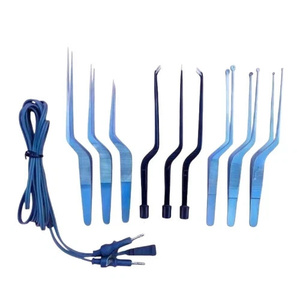
- Silicone Holding Systems: Medical-grade, autoclavable silicone fixators that hold bayonet forceps, electrosurgical instruments, micro-tweezers, and rongeurs firmly without degrading or absorbing steam.
2. Engineering Standards & Metallurgical Superiority
Not all sterilization trays and surgical instrument sets are forged equal. Cheap alternatives manufactured from low-grade 200-series stainless steel frequently suffer from pitting corrosion, weld decay, and rouge formation after only a few dozen autoclave cycles. SalarSurgicals engineers medical containment systems using German-standard metallurgical practices to guarantee structural integrity over thousands of processing runs.
| Material / Grade | Chemical Composition | Corrosion Resistance | Autoclave Life Cycle | Primary Clinical Application |
|---|---|---|---|---|
| AISI 316L Stainless Steel | Cr 16-18%, Ni 10-14%, Mo 2-3% (Low Carbon) | Maximum (Resists Chloride & Pitting) | > 3,500 Cycles | Heavy-duty Sterilization Baskets, Perforated Trays, Rigid Containers |
| AISI 304 Stainless Steel | Cr 18-20%, Ni 8-10.5% | High (Standard Hospital Grade) | > 2,000 Cycles | Mesh Baskets, General Instrument Trays, Lid Enclosures |
| AISI 420 / 420B Martensitic | Cr 12-14%, Carbon 0.15-0.40% | Moderate (Hardened Edge Retention) | > 1,500 Cycles | Neurosurgery Bayonet Forceps, Micro-Scissors, Rongeurs |
| Titanium Grade 5 (Ti-6Al-4V) | Ti 90%, Al 6%, V 4% | Ultra-High (Immune to Autoclave Rust) | > 5,000 Cycles | Non-Stick Bipolar Forceps, Lightweight Micro-Sterilization Cassettes |
Advanced Passivation & Surface Treatment Protocol
Every sterilization tray, basket, and accompanying surgical tool undergoes rigorous chemical passivation in accordance with ASTM A967 standards. Following precision CNC welding or punching, components undergo multistage ultrasonic cleaning to remove residual oils. They are subsequently immersed in concentrated nitric or citric acid baths to strip free iron molecules from the surface, forming a dense, self-healing Chromium Oxide (Cr₂O₃) passive layer. This process ensures zero oxidation during continuous exposure to saturated steam at elevated pressures.
3. Localized Application Scenarios Across Portugal Healthcare Facilities
The operational demands of Portuguese sterile processing departments vary significantly between large academic medical complexes and specialized outpatient surgical clinics. Customization of sterilization tray layouts directly impacts workflow efficiency, operating room turnover times, and patient safety.
Lisbon & Porto Academic Medical Centers
High-volume tertiary hospitals such as Hospital de Santa Maria (Lisbon) and Hospital de São João (Porto) require heavy-duty DIN wire mesh baskets with drop handles. These units accommodate complete specialized procedure kits—including 10-piece micro bayonet forceps neurosurgery sets and complex bipolar coagulation arrays—allowing seamless transfer from automated washer-disinfectors directly into steam autoclaves.
Private Hospital Networks & Ambulatory Surgery
Private hospital groups (CUF, Lusíadas) emphasize rapid OR turnaround times and long-term instrument longevity. Compact sterilization cassettes outfitted with soft silicone insert strips prevent delicate 0.5mm tip bayonet forceps and non-stick European bipolar tools from colliding during transit, drastically reducing costly repair and replacement cycles.
ENT, Plastic & Dental Specialty Clinics
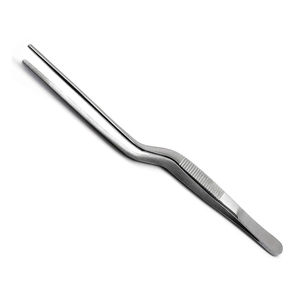
Regional outpatient surgical centers throughout Coimbra, Braga, and the Algarve specialize in microsurgical, plastic, and otolaryngology (ENT) procedures. Customized mini-trays with silicone positioners secure manual bayonet ear dressing forceps and Adson dressing tweezers, optimizing space inside tabletop autoclaves while keeping precise tool counts verified.
4. Strategic Trends Shaping Portugal's Sterilization Sector (2025–2030)
Procurement officers and biomedical engineers in Portugal are navigating an evolving landscape defined by digitisation, environmental sustainability, and stricter infection control mandates (Infecções Associadas aos Cuidados de Saúde - IACS). Key shifts include:
- Transition to Closed Rigid Container Systems: Hospitals are progressively phasing out single-use blue sterilization wrap in favor of reusable aluminum and stainless steel rigid containers with PTFE or paper filters. This trend significantly cuts bio-medical waste while lowering long-term operational costs.
- Integration of RFID & 2D Matrix Laser Marking: Under EU MDR compliance directives, Portuguese CME departments are adopting electronic tray tracking. SalarSurgicals integrates fiber-laser etched Datamatrix codes directly onto sterilization trays and individual instruments, enabling end-to-end audit trails from decontamination to patient usage.
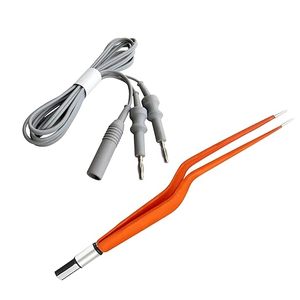
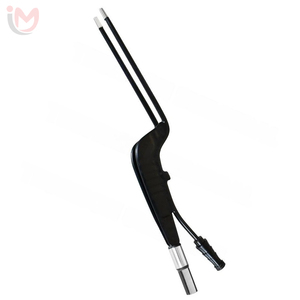
- Custom Silicone Modular Customization: Rather than universal baskets where tools sit loosely, Portuguese surgeons increasingly mandate custom-molded silicone inserts tailored to exact instrument geometries—such as bayonet bipolar forceps with integrated silicon cables—ensuring zero tip damage.
5. Enterprise Manufacturing Strengths & Direct Factory Supply
Rooted in Sialkot’s world-renowned surgical instrument manufacturing hub since 2005, SalarSurgicals bridges traditional metalworking craftsmanship with modern ISO 13485:2016 quality management systems. By eliminating middleman trading agents, we provide Portuguese healthcare importers, surgical brands, and hospital suppliers with direct access to OEM production lines.
Precision In-House Forging & CNC
We maintain end-to-end control over closed-die forging, 5-axis CNC machining, electropolishing, and passivation. Jaw alignments, ratchet engagements, and frame dimensions are held within strict 0.05 mm tolerances.
Comprehensive OEM & Private Label
We brand your product line with customized fiber laser etching (Brand Logo, SKU Reference, Lot Code, CE Mark). Custom tray sizing, silicone layout engineering, and custom packaging inserts are delivered smoothly under NDA.
Export Logistics to Lisbon & Leixões
We export to over 45 countries with tailored commercial invoice structures, EUR.1 / Certificates of Origin, and complete conformity technical files for frictionless customs clearance at Portuguese ports (Lisbon & Leixões/Porto).
6. Frequently Asked Questions (FAQ) for Purchasing Managers in Portugal
Addressing core technical, regulatory, and logistics queries for medical device procurement teams across Portugal.
What documentation is provided to support INFARMED & EU MDR compliance in Portugal?
Every shipment is accompanied by an official Declaration of Conformity (CE marking under applicable EU directives), ISO 13485:2016 Quality System documentation, raw material mill test certificates (spectro-analysis for steel heat lots), and detailed batch passivation records. Technical files are made available to authorized distributors under non-disclosure agreements.
Can you manufacture custom-sized sterilization trays to fit existing Portuguese hospital autoclaves?
Yes. While we stock standard DIN sizes (such as 480x250x50mm, 240x250x50mm, etc.), our engineering team produces bespoke wire mesh, perforated, or solid-walled sterilization trays based on your exact technical drawings or physical samples. Pre-production 3D models and physical samples are delivered within 10 to 15 working days.
What are the minimum order quantities (MOQs) for direct export to Portugal?
For standard catalogue items and sterilization baskets, our minimum order quantity starts at just 50 pieces per reference. For customized bespoke trays requiring custom tooling or specialized silicone mold fabrication, we recommend an initial volume of 100 to 250 pieces to keep per-unit tooling costs commercially competitive.
How do your bayonet bipolar forceps withstand repeated hospital sterilization?
Our bayonet bipolar forceps feature high-grade medical insulation coatings (Polyamide/ETFE) tested to withstand repeated steam autoclave cycles at 134°C (273°F). For our premium line, solid titanium handles paired with non-stick silver-alloy tips ensure zero tissue adhesion during electrosurgery and complete immunity to chemical oxidation during thermal disinfection.
What are the typical lead times and Incoterms offered for shipping to Lisbon or Porto?
Standard repeat orders ship within 15 to 25 business days. Custom OEM orders requiring laser branding, custom silicone inserts, and custom retail/hospital packaging are typically completed within 30 to 45 business days. We offer flexible shipping terms including FOB Karachi, CIF Lisbon/Leixões, or DDP (Delivered Duty Paid) via express air freight (DHL/FedEx) or ocean container shipping.
Partner With a Proven OEM Sterilization Tray Manufacturer
Upgrade your surgical containment inventory with ISO 13485 certified, CE marked sterilization trays and precision neurosurgery instruments. Contact our export desk today for direct factory quotes, technical drawings, and material certificates.
Get a Quote