In high-precision surgical disciplines such as neurosurgery, ophthalmic plastic surgery, and microvascular reconstruction, the fidelity of surgical instrumentation directly correlates with clinical outcomes. As a dedicated Micro Scissors Factory & Exporter in the Tokyo market, our manufacturing framework bridges traditional metallurgical craftsmanship with modern computer-numerical-control (CNC) grinding and automated micro-passivation. Serving Tokyo’s premier university hospitals, specialized clinics, and medical equipment distributors, we supply ISO 13485-certified micro scissors and bayonet bipolar forceps engineered to meet the stringent tactile, durability, and regulatory demands of the Japanese healthcare sector.
Featured Microsurgical & Bayonet Forceps Catalog
Explore our specialized inventory of micro surgical instruments optimized for delicate tissue handling, electrosurgical coagulation, and neurosurgical procedures across Tokyo medical centers.
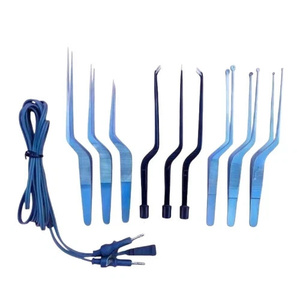
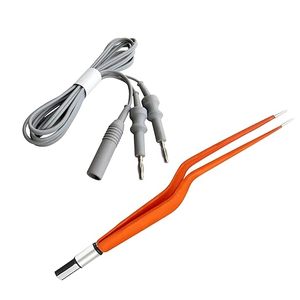
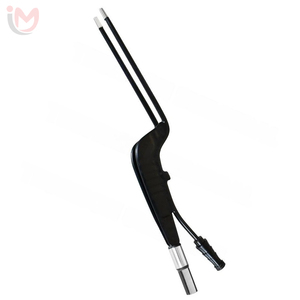
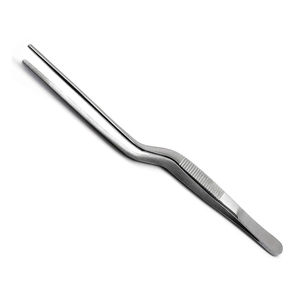
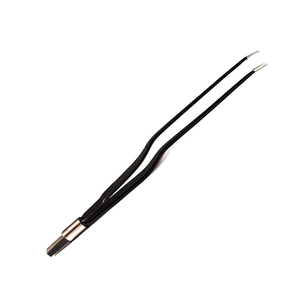
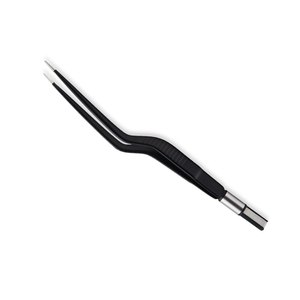
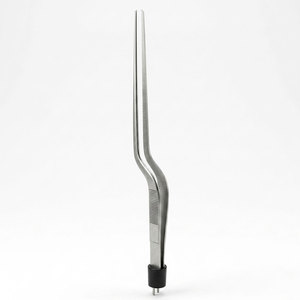
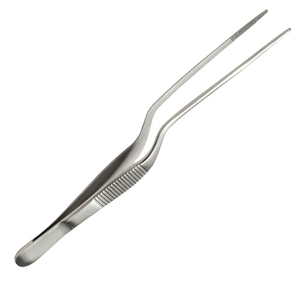
Microsurgical Metallurgy & Mechanical Engineering Standards
Manufacturing micro scissors and bayonet forceps for the Japanese medical market demands adherence to rigorous metallurgical criteria. Japanese surgeons in metropolitan Tokyo clinics expect tools with negligible spring fatigue, immaculate tactile feedback, and absolute resistance to pitting corrosion under automated washer-disinfector protocols.
1. Material Selection: Martensitic vs. Titanium Alloys
Our facility utilizes high-purity German stainless steel stock (AISI 420B / 420C) and Titanium Grade 5 (Ti-6Al-4V). Martensitic steel is subjected to computer-controlled vacuum hardening followed by dual tempering cycles to achieve a Rockwell C hardness (HRC) of 52 to 54. This optimal hardness prevents premature blade dulling during delicate adventitial stripping and micro-vessel transection. For magnetic resonance (MR) environment compatibility, our Titanium micro scissors and bayonet forceps offer lightweight non-magnetic performance, reducing surgeon hand fatigue during multi-hour reconstructions.
2. Micro-Serrated Blade Dynamics & Bevel Honing
Sliding or tissue push-out is a primary point of failure in micro-cutting instruments. To eliminate tissue slippage during micro-arterial trimming, one blade of our micro scissors is precision-milled with microscopic teeth (micro-serration density of 0.08 mm pitch), while the opposing blade is hand-honed to a razor razor-sharp edge. This dual-edge synergy delivers a shearing action that preserves cellular integrity along the tissue margin.
| Performance Metric | Standard Import Micro Scissors | SalarSurgicals Tokyo-Spec Micro Scissors | Clinical Advantage in Microsurgery |
|---|---|---|---|
| Steel Grade & Hardness | Standard AISI 410 (42–46 HRC) | Vacuum Hardened AISI 420C (52–54 HRC) | Extends cutting edge longevity by 300% without chipping. |
| Joint Construction | Rivet Lap-Joint | Precision Screw / Box-Lock Alignment | Eliminates lateral play, ensuring smooth scissor closure. |
| Surface Passivation | Basic Chemical Dip | ASTM A967 Ultrasonic Citric Acid Passivation | Maximum passive oxide layer protecting against autoclave pitting. |
| Glare Reduction | Mirror Polish | Matte Satin or Black Titanium Nitride (TiN) | Prevents optical glare under xenon surgical light microscopes. |
Localized Application Scenarios in Tokyo Medical Centers
The Tokyo metropolitan area represents one of the world's most concentrated clusters of advanced surgical institutions. From university hospitals in Bunkyo and Shinjuku to private cosmetic surgery clinics in Ginza, instrument requirements vary significantly based on surgical discipline.
Neurosurgical Deep-Cavity Hemostasis
In skull-base surgery and aneurysm clipping performed at major Tokyo medical research facilities, surgeons utilize our 22cm and 24cm Yasargil-pattern bayonet bipolar forceps. The bayonet curve ensures that the surgeon's hand remains outside the line of sight under the operating microscope, enabling pinpoint electrocoagulation near critical neural structures.
Super-Microsurgery & Lymphedema Anastomosis
Tokyo's plastic and reconstructive surgery units lead global innovations in super-microsurgery (anastomosis of vessels under 0.5 mm in diameter). Our micro scissors with 0.3 mm tip profiles and spring-loaded handles allow effortless, high-frequency cutting with zero hand tremor amplification.
Ophthalmic & Oculoplastic Procedures
Delicate eyelid revision, corneal transplant, and lacrimal duct surgeries require non-magnetic, corrosion-free instruments. Our Castroviejo micro scissors provide micro-curved tips that follow anatomical contours cleanly, reducing post-operative tissue trauma.
Tokyo Market Trends & PMDA Regulatory Landscape
Procuring surgical instruments for distribution within Japan involves navigating specific regulatory pathways and evolving hospital procurement behaviors. Japanese healthcare providers prioritize long-term instrument reliability and vendor transparency.
PMDA & MHLW Compliance Pathways
Medical devices sold in Japan are regulated by the Ministry of Health, Labour and Welfare (MHLW) and the Pharmaceuticals and Medical Devices Agency (PMDA) under the PMD Act (Yakuji-ho). Class I manual surgical instruments require a Foreign Manufacturer Registration (Toroku) and proper notifications submitted by the local Designated Marketing Authorization Holder (DMAH). SalarSurgicals supports Tokyo importers with full technical dossiers, ISO 13485:2016 certificates, and lot-traceable raw material compliance data.
Shift Towards Non-Stick & Anti-Glare Tech
Modern Tokyo operating theaters are increasingly replacing traditional mirror-polished instruments with dark ceramic (TiN) or matte satin micro-surfaces. Furthermore, non-stick thermal technology in bipolar forceps—utilizing high-thermal-conductivity metal inserts—is becoming the standard across Japanese neurosurgery departments to eliminate post-coagulation cleaning interruptions during surgery.
Custom OEM Private Label Demand
Japanese medical device brand owners frequently seek OEM manufacturing partners capable of micro-laser etching customized catalog numbers, Japanese barcode symbology, and custom logo branding on slim tool shafts. Our fiber-laser marking technology ensures indelible marking that remains clear through repeated sterilization.
Manufacturing Strengths & OEM Engineering Capabilities
Backed by over two decades of dedicated surgical instrument production, our facility merges traditional forging skills from Sialkot's world-renowned manufacturing cluster with rigorous quality management audited to ISO 13485 standards. We provide OEM private-label programs for medical equipment suppliers operating in Tokyo, Osaka, and across the APAC region.
In-House Closed-Die Forging
We control instrument production from raw forging bars to final packaging. Closed-die forging ensures structural grain density, eliminating internal micro-voids that lead to structural failure under heavy stress.
Automated Passivation & Cleaning
Multi-stage ultrasonic bath cleaning removes oils and grinding particulate. Nitric and citric acid passivation cycles rebuild the chromium oxide layer to withstand harsh automated washer-disinfectors.
Low MOQ & Flexible Tooling
We support Tokyo distributors with low minimum order quantities (MOQ starting at 50 pieces per standard reference), facilitating rapid market testing and inventory optimization without heavy capital tie-up.
Tokyo Buyer Procurement FAQs
Partner with a Premier Micro Scissors Factory for Tokyo
Looking for high-precision, ISO 13485 certified micro scissors and bayonet forceps for OEM distribution in Japan? Contact our export engineering desk today to request catalog pricing, material certificates, or custom prototype development.