Featured Surgical Retractors & Precision Forceps Catalog
Below is our curated selection of high-grade surgical retractors, bayonet micro-instruments, and bipolar coagulation systems engineered for delicate tissue handling, neurosurgery, and general procedure retraction.
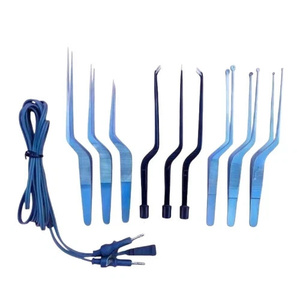
10 PCS Micro Bayonet Forceps Surgical Instrument Set Neurosurgery Tools
Get a Quote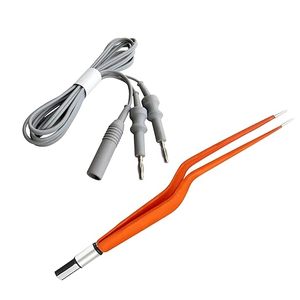
Bayonet Bipolar Forceps Professional Surgical Tool Stainless Steel
Get a Quote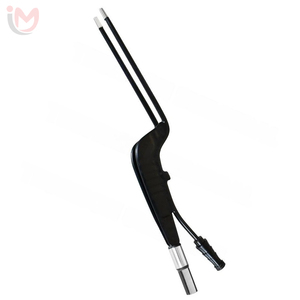
Wholesale Bayonet Bipolar Forceps Insulated Reusable Silicon Cable
Get a Quote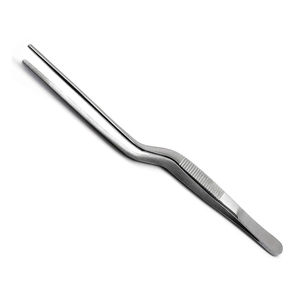
Adson Bayonet Forceps 16cm Serrated Tip Stainless Steel
Get a Quote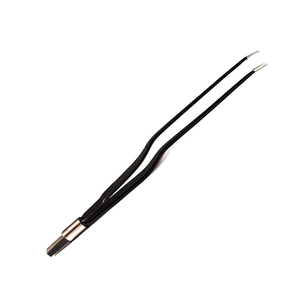
Neurosurgery Bayonet Non Stick European Bipolar Curved Forceps 22 cm
Get a Quote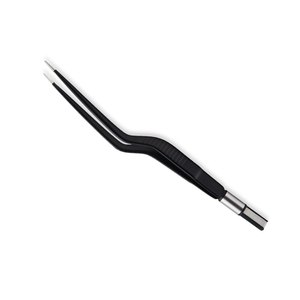
Premium Quality PENTAX SURGICAL Bipolar Bayonet Forceps
Get a Quote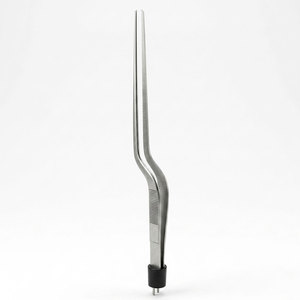
Wholesale Bayonet Non Insulated Bipolar Forceps 24cm Microsurgery
Get a Quote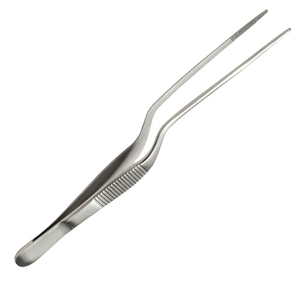
Stainless Steel Customized CE Certified Bayonet Ear Forceps Instrument Set
Get a Quote1. Executive Technical Analysis: Self-Retaining Retractor Ecosystem in Jakarta
Modern surgical interventions across Special Capital Region of Jakarta (DKI Jakarta) and greater Jabodetabek healthcare networks demand uncompromising precision, mechanical reliability, and structural ergonomics. Self-retaining surgical retractors—such as Weitlaner, Gelpi, Balfour, Beckmann, and Jansen patterns—serve as vital force-multipliers in operating theaters. By maintaining continuous, hands-free exposure of deep tissue beds, spinal structures, and abdominal cavities, these instruments reduce assistant fatigue, enhance surgical field visibility, and minimize trauma to adjacent parenchymal tissues.
As procurement departments at major Jakarta tertiary institutions—including RSUPN Dr. Cipto Mangunkusumo (RSCM), Siloam Hospitals Kebon Jeruk, RS Medistra, and RS Gading Pluit—expand their surgical suites to accommodate high-volume neurosurgical, orthopedic, and cardiovascular surgeries, the demand for high-tensile, corrosion-resistant self-retaining retractors has escalated rapidly. Sourcing directly from certified original equipment manufacturers (OEMs) with established forging facilities in Sialkot, Pakistan, provides Indonesian hospital networks and medical device distributors with direct access to German-grade surgical steel instruments at factory-direct pricing structures.
Key Engineering & Metallurgical Foundations
Martensitic Steel Forging
Manufactured from German DIN 1.4021 / AISI 420 stainless steel, offering high yield strength, superior edge retention, and resistance to flex-fatigue under sustained mechanical load.
Precision Ratchet Lock
Multi-position cam-lock and ratchet mechanisms feature hand-milled teeth tolerances within ±0.03mm, preventing slippage or involuntary release during prolonged retraction.
5-Step Passivation
Comprehensive chemical passivation removes free iron particles and forms a uniform chromium oxide surface layer, protecting instruments against harsh tropical autoclave cycles.
2. Biomechanical Classification of Self-Retaining Retractors
Selecting the correct self-retaining retractor pattern depends heavily on the anatomical layer depth, tissue elasticity, and structural resistance encountered during surgery. In Jakarta's busy operating rooms, surgical supply buyers must evaluate retractors based on blade configuration (blunt vs. sharp vs. semi-sharp tines), frame curvature, and locking torque capabilities.
A. Weitlaner Retractors: Engineered primarily for superficial soft tissue, plastic surgery, and spine exposure. Featuring a finger-ring handle coupled with a self-locking ratchet, Weitlaner retractors utilize outward-curved prongs (2x3 or 3x4 tines) that exert uniform lateral retraction force. OEM modifications for Indonesian surgical suites include non-reflective satin finishes to mitigate glare under high-intensity LED surgical lights.
B. Gelpi Micro & Standard Retractors: Widely utilized in neurosurgery, orthopedic spine surgery, and vascular access procedures. The Gelpi retractor features fine, sharp single-point tips that anchor firmly into dense fascia or muscle tissue without slipping. Our factory produces articulated Gelpi retractors with angled arms to keep handles flat against the surgical field, expanding working space for micro-dissection tools.
C. Balfour & Abdominal Retraction Frameworks: Designed for major laparotomy and abdominal procedures. Balfour self-retaining systems incorporate two lateral blades and a central third blade mounted on a solid slide bar. Manufactured from austenitic AISI 304 stainless steel, these frameworks offer robust tensile resistance against heavy abdominal wall pressure while remaining lightweight and fully autoclavable.
3. Information Gain Matrix: Technical Specifications by Instrument Grade
To assist procurement directors and bio-medical engineering personnel across Jakarta in evaluating instrument quality, the table below outlines critical manufacturing parameters for surgical-grade self-retaining retractors and micro-bayonet instruments.
| Specification Feature | Premium OEM Surgical Grade | Standard Commercial Grade | Clinical Impact in Jakarta O.T. |
|---|---|---|---|
| Raw Material Grade | German AISI 420 / DIN 1.4021 Stainless Steel | Generic AISI 410 Stainless Steel | Prevents jaw deformation & stress fractures under load |
| Core Hardness (Rockwell) | 50 – 54 HRC (Controlled Vacuum Heat Treatment) | 42 – 45 HRC (Atmospheric Treatment) | Ensures ratchet teeth retain sharpness across 1,000+ autoclave cycles |
| Corrosion Protection | 5-Stage Acid Passivation + Ultrasonic Bath | Basic Electro-polishing | Resists pitting from tropical humidity & saline cleaning solutions |
| Surface Finish Options | Glare-Free Satin, Mirror Polish, Black PVD Coated | Standard Bright Polish | Reduces eye fatigue for surgeons operating under focused spotlighting |
| Quality Management | ISO 13485:2016, CE MDR, FDA Registered | Basic Factory Self-Declaration | Simplifies Indonesian Kemenkes AKL registration & compliance |
| Ratchet Fatigue Life | Tested to 10,000+ engagement cycles | < 2,500 engagement cycles | Eliminates unexpected ratchet collapse during delicate spinal exposure |
4. Localized Application Scenarios Across Jakarta's Medical Ecosystem
Jakarta represents the administrative and medical heart of Indonesia's healthcare system. The demand for specialized surgical instruments varies significantly across different facility tiers in the Jabodetabek region:
Tertiary Referral Hospitals
Facilities like RSUPN Dr. Cipto Mangunkusumo and RS Central Army Hospital (RSPAD Gatot Soebroto) require high-precision micro-bayonet retractors and non-stick bipolar forceps for complex pediatric neurosurgery and vascular reconstruction.
Private Hospital Networks
Groups such as Siloam Hospitals, Mitra Keluarga, and Mayapada Healthcare demand durable, ergonomic self-retaining retractors with laser-etched UDI numbers for rapid instrument tray tracking and sterile processing efficiency.
Importers & OEM Distributors
Medical device importers based in Central Jakarta (Gajah Mada, Salemba, Cempaka Putih) leverage our low MOQ (50 pieces) and private-label laser marking to supply regional hospitals across Java, Sumatra, and Sulawesi.
5. Indonesia Healthcare Trends & Kemenkes Compliance Framework
Indonesia’s universal healthcare expansion under the BPJS Kesehatan (Badan Penyelenggara Jaminan Sosial Kesehatan) has driven exponential growth in surgical procedure volumes. To meet increasing patient throughput while managing cost constraints, Indonesian medical procurement teams are shifting away from overpriced European middleman distributors in favor of direct factory partnerships with established manufacturers in Sialkot.
Regulatory Compliance & Kemenkes AKL Approval: All medical devices distributed within Indonesia must obtain an official distribution permit—Izin Edar Alat Kesehatan (AKL)—from the Ministry of Health of the Republic of Indonesia (Kementerian Kesehatan RI / Kemenkes). Our manufacturing plant operates under an audited ISO 13485:2016 quality management system and maintains comprehensive Technical Documentation Files (TDF). We assist Jakarta-based importers by providing:
- Declarations of Conformity (DoC): Full regulatory alignment under EU MDR 2017/745 guidelines.
- Batch Material Traceability & Certificates of Analysis (CoA): Chemical breakdown reports for stainless steel heat lots.
- Biocompatibility & Sterilization Validation: Autoclave steam cycle testing records (134°C at 2.1 bar pressure).
- UDI & Laser Branding: Fiber-laser etching of unique product references, lot numbers, and distributor logos.
6. Enterprise Manufacturing & Factory Capabilities
Headquartered in the global surgical instrument manufacturing hub of Sialkot, Pakistan, our enterprise combines over two decades of traditional artisan hand-craftsmanship with modern CNC machining, automated drop-forging, and vacuum heat-treatment technology.
Direct Logistics to Jakarta Ports: We offer seamless export logistics tailored to Indonesian importers. Freight shipments are dispatched via air cargo directly to Soekarno-Hatta International Airport (CGK) or sea freight to Tanjung Priok Port (IDTPP) under FOB, CIF, or DDP shipping terms. Complete commercial invoices, packing lists, certificates of origin (Form IP / Form B), and bill of lading documentation are issued promptly to guarantee swift customs clearance through Indonesian Customs (Bea Cukai).
7. Frequently Asked Questions (FAQ) for Jakarta Surgical Instrument Buyers
Ready to Partner with a Certified Surgical Instrument Factory?
Connect with our engineering export desk to discuss factory-direct pricing, custom OEM prototyping, or bulk distribution contracts for Jakarta and greater Indonesia.
Get a Quote