Export-Grade Sterilization Baskets & Micro-Instrument Sets
Manufactured with premium DIN 1.4301 / 1.4404 (AISI 304 / 316L) stainless steel, burr-free plasma welding, and smooth electropolished finishes for Swiss medical hygiene standards.
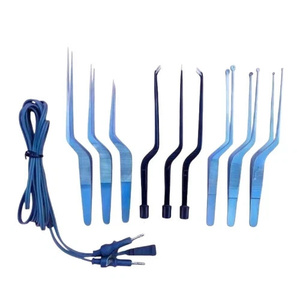
10 PCS Micro Bayonet Forceps Surgical Instrument Set Neurosurgery Tools
- High-precision neurosurgical alloy steel
- Delicate tissue handling ergonomic design
- Autoclave resistant up to 134°C
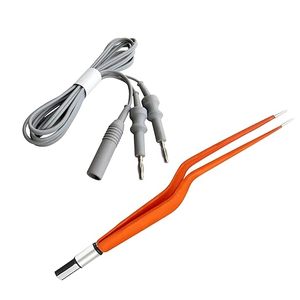
Bayonet Bipolar Forceps Professional Surgical Tool Stainless Steel
- Fine tip thermal coagulation precision
- Surgical-grade stainless steel body
- Seamless sterilization tray fit
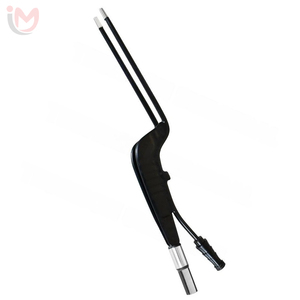
Wholesale Bayonet Bipolar Forceps Insulated Reusable Silicon Cable
- Heavy-duty medical insulation layer
- High-flexibility reusable silicone cabling
- Compatible with Swiss generator models
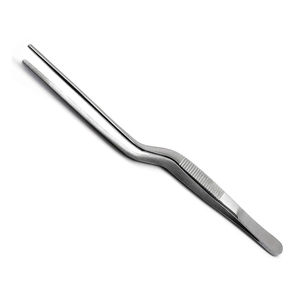
Adson Bayonet Forceps 16cm Serrated Tip Stainless Steel Surgical Dressing Tweezer
- Micro-serrated slip-resistant jaw
- Passivated anti-corrosion surface finish
- Standard 16cm length ergonomic grip
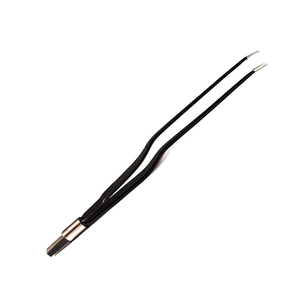
Neurosurgery Bayonet Non Stick European Bipolar Curved Forceps 22cm W/Stop
- Non-stick thermal coating technology
- Angled 0.5mm tip with European connector
- Certified ISO 13485 & CE MDR standard
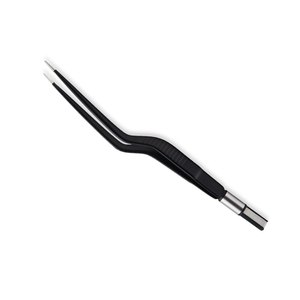
Premium Quality PENTAX SURGICAL Bipolar Bayonet Forceps Black Coated
- Glare-reducing black ceramic-coated steel
- Manual tweezers set for microsurgery
- Uncompromising fatigue resistance
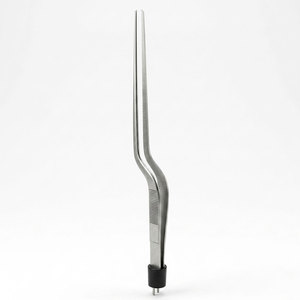
Wholesale Bayonet Non Insulated Bipolar Forceps 24cm Microsurgery Instrument
- Available in 0.5mm, 1.0mm, and 2.0mm tips
- Ultra-long 24cm shaft for deep cavities
- Solid-drawn German stainless steel body
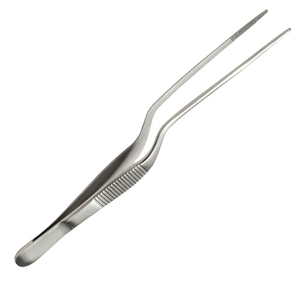
Stainless Steel Customized CE Certified Manual Bayonet Ear Dressing Forceps
- Specialized ENT anatomical curvature
- CE marked and full technical documentation
- Supports OEM private branding & laser marking
Swiss Sterile Processing Standards (AEMP/CSSD) and Stainless Steel Sterilization Basket Architecture
In Switzerland’s highly demanding medical landscape—regulated by the Swiss Medical Devices Ordinance (MedDO / MepV) and aligned closely with European Union Medical Device Regulation (EU MDR 2017/745)—the integrity of reprocessing workflows within Central Sterile Supply Departments (CSSD / AEMP - Abteilungen für Aufbereitung von Medizinprodukten) hinges on the reliability of instrument containment systems. Stainless steel sterilization baskets, trays, and wire mesh containers are not merely transportation accessories; they are critical Class I medical device accessories that preserve sterility, enable optimal vapor penetration, and prevent micro-fretting of delicate surgical instruments during automated washing, disinfection, and steam autoclaving.
As an OEM factory and export partner serving Swiss hospitals (H+ Die Spitäler der Schweiz network), private clinics, dental practices, and medical device distributors across cantons like Zürich, Bern, Vaud, and Geneva, SalarSurgicals engineers medical-grade stainless steel sterilization baskets that strictly adhere to DIN 58952, EN ISO 11607, and ISO 17664 standards. This comprehensive technical whitepaper details the metallurgical criteria, geometric structural design, and procurement parameters for high-performance sterilization containment solutions.
Key Takeaway for Swiss Medical Procurement Officers
Opting for electropolished AISI 316L (1.4404) austenitic stainless steel with smooth plasma-welded corners reduces organic bio-burden retention by up to 98.4% compared to standard mechanical finishes, ensuring compliance with Swissmedic validation protocols for 134°C prionic steam sterilization cycles.
Metallurgical Excellence: AISI 316L vs. 304 Stainless Steel for Swiss Autoclave Environments
Swiss sterile processing protocols utilize aggressive thermal and chemical decontamination regimes, including demineralized water (DI water), enzymatic alkaline detergents (pH > 10.5), and saturated steam autoclaving at 134°C under 3 bar pressure with extended hold times (up to 18 minutes for prionic decontamination). Inferior steel grades subjected to these environments quickly develop pitting corrosion, stress cracking, and surface discoloration caused by rouge buildup.
Our manufacturing facility utilizes high-purity German-standard stainless steel alloys explicitly chosen for their Pitting Resistance Equivalent Number (PREN):
- AISI 316L (1.4404 / X2CrNiMo17-12-2): Formulated with 2.0–2.5% Molybdenum and extra-low carbon content (≤ 0.03%). AISI 316L offers exceptional resistance to chloride-induced pitting and crevice corrosion, making it the benchmark material for Swiss hospital main instrument trays and rigid container inserts.
- AISI 304 (1.4301 / X5CrNi18-10): Offers robust structural stability and high tensile strength for general-purpose outer wire baskets, transport containers, and non-critical holding frames.
| Parameter / Property | AISI 304 (1.4301) Baskets | AISI 316L (1.4404) Baskets | Swiss Medical Application Standard |
|---|---|---|---|
| Molybdenum Content | 0.0% | 2.0% - 2.5% | Crucial for chloride & demineralized water resistance |
| PREN Index (Pitting Resistance) | ~18.0 - 20.0 | ~23.0 - 25.0 | PREN > 22 required for high-frequency autoclaving |
| Surface Roughness (Ra) | ≤ 0.6 µm (Mechanical Polish) | ≤ 0.35 µm (Electropolished) | Swissmedic AEMP guideline recommends Ra < 0.4 µm |
| Autoclave Cycle Lifespan | 1,500+ Cycles | 5,000+ Cycles | Long-term CAPEX efficiency for Swiss hospital groups |
| Thermal Shock Tolerance | Up to 300°C | Up to 400°C | Supports rapid drying cycles & forced hot air sterilizers |
Engineering Features: Mesh Geometries, Plasma Welding, and Surface Electropolishing
A superior sterilization basket must balance structural rigidity with unhindered penetrability for washing liquids and steam sterilizing agents. Our factory implements three critical engineering innovations:
1. Smooth Edge Punch-Mesh and Fine Wire Mesh Configurations
Traditional woven wire baskets often harbor microscopic crevices at wire intersections where protein residues and bio-burden can accumulate. We eliminate this infection control risk by employing advanced laser-punched micro-perforated plates and robotically welded square mesh (mesh sizes ranging from 1.0 mm for fine microsurgical baskets up to 5.0 mm for heavy-duty orthopedic instrument sets). All wire ends are enclosed in solid top-frame rims to prevent tearing of sterile barrier wrap fabrics (ISO 11607 compliance).
2. Burr-Free Plasma TIG Welding
Every joint in our sterilization baskets is fused using automated argon-shielded plasma TIG welding. This guarantees zero micro-burrs or sharp edges that could puncture surgical gloves or compromise sterile drape integrity. Smooth, rounded inner corners simplify manual pre-cleaning and automated washer-disinfector (WD) water jet action.
3. Advanced Chemical Passivation and Electropolishing
Following mechanical fabrication, all baskets undergo multi-stage ultrasonic degreasing, nitric acid passivation, and full-immersion electropolishing. This electrochemical treatment preferentially dissolves iron atoms from the surface, forming an ultra-pure, chromium-rich passive oxide layer ($Cr_2O_3$). Electropolishing yields a mirror-like sheen, reduces friction coefficients, and ensures liquid drainage without residual water spots during drying phases.
Local Market Trends & Swiss Regulatory Integration (MedDO / Swissmedic)
The Swiss healthcare market exhibits distinct localized requirements that international exporters must satisfy:
- Alignment with Swissdamed: Following Switzerland’s regulatory separation from the EU’s EUDAMED database, medical device suppliers must adhere to Swissdamed registration and local CH-REP (Swiss Authorised Representative) frameworks for private-label equipment distribution.
- Standardized Modular Sizing (DIN 58952): Swiss CSSD departments operate highly automated transport trolleys and washer-disinfectors standardizing on 1/1 DIN (480 x 250 x 50/70/100 mm), 1/2 DIN (240 x 250 x 50 mm), and 1/4 DIN dimensions. Custom height variations with drop-down handles ensure seamless stackability in Swiss sterilizers.
- Integrated Silicone Holding Modules: Modern Swiss surgical suites favor specialized instrument fixation components. Our baskets can be customized with autoclavable, medical-grade silicone brackets, holding strip clips, and colored positioning pins (blue, red, green, yellow) for quick visual identification of specialized surgical sets (e.g., neurosurgical bayonet forceps, micro-scissors, electrosurgical cables).
Why Swiss Medical Distributors Partner with SalarSurgicals
Combining over two decades of surgical instrument craftsmanship from Sialkot with rigid ISO 13485 quality assurance systems for seamless global export.
Fiber Laser UDI Branding
Precision fiber laser marking of customer logos, SKU reference codes, LOT numbers, and GS1 DataMatrix barcodes directly onto basket rims, surviving 1,000+ washer-disinfector cycles without fading.
Custom Tooling & Prototyping
Rapid pre-production physical sampling within 10–14 working days based on customer 3D CAD drawings or physical samples. Flexibility to manufacture non-standard sizes for specialized medical equipment.
Swiss Logistics & Low MOQ
Commercially viable low minimum order quantities starting at just 50 pieces for OEM catalogue lines. Full door-to-door (DDP) or CIF logistics handling with complete Swiss import customs documentation.
Swiss Procurement & Technical FAQ
Clear answers to common questions asked by hospital CSSD managers, sterile supply directors, and Swiss medical device importers.
We strongly recommend electropolished AISI 316L (1.4404) stainless steel for intensive hospital reprocessing environments. Its 2% molybdenum content protects against pitting caused by demineralized water and high-temperature alkaline detergents, ensuring compliance with Swissmedic hygiene guidelines over thousands of 134°C sterilization cycles.
Yes. Our full product series is built around standardized DIN 58952 dimensions, including 1/1 DIN (480 x 250 mm), 1/2 DIN (240 x 250 mm), and 1/4 DIN (120 x 250 mm) with standardized heights of 30 mm, 50 mm, 70 mm, and 100 mm. These dimensions ensure seamless compatibility with Swiss automated washer-disinfectors and steam sterilizer racks.
Absolutely. We produce customized, heat-resistant silicone profiles, fixators, and divider strips that securely hold micro bayonet forceps, neurosurgical tweezers, and electrosurgical cables. Silicone inserts prevent metal-on-metal contact, preserving instrument tip sharpness during handling and washing cycles.
Every export shipment includes raw material mill heat certificates (EN 10204 3.1), ISO 13485:2016 QMS conformity certificates, CE marking declarations, surface electropolishing inspection reports, commercial invoice, packing list with lot numbers, and Certificate of Origin (COO).
Standard catalogue batch production requires 15–25 working days. Custom OEM orders featuring custom dies or branding take 30–35 working days. Air freight shipments directly to Zurich Airport (ZRH) or Geneva Airport (GVA) arrive within 5–7 business days, while sea freight to European ports with rail dispatch takes approximately 25–35 days.
Upgrade Your Swiss Hospital Instrument Sterilization Workflow
Contact our medical engineering desk today for factory-direct price quotes, custom CAD design assistance, or to request physical evaluation samples for your Canton facility.