Precision Medical Equipment
Featured Sterilization-Compatible Surgical & Electrosurgical Systems
SalarSurgicals manufactures heavy-duty surgical tools and electrosurgical instruments designed to withstand high-pressure steam autoclave cycles across East African healthcare facilities.
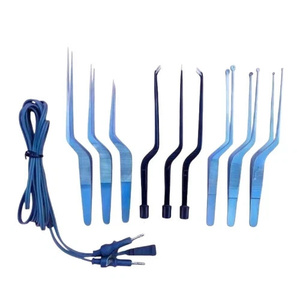
Bayonet Bipolar Forceps Professional Surgical Tool Stainless Steel
Contact Us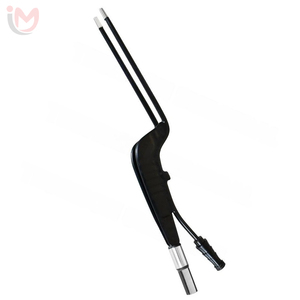
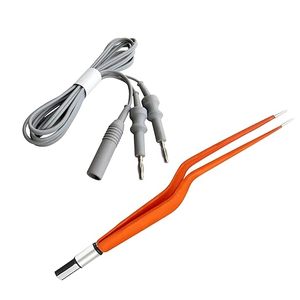
Wholesale Bayonet Bipolar Forceps Insulated Reusable Silicon Cable
Contact Us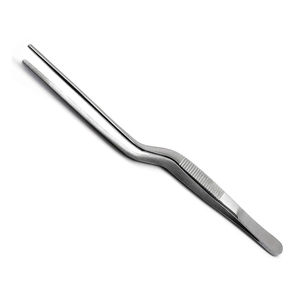
Adson Bayonet Forceps 16cm Serrated Tip Stainless Steel
Contact Us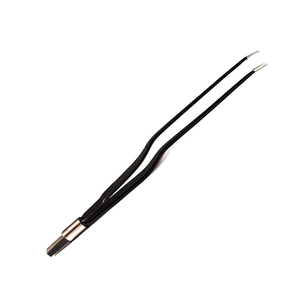
Neurosurgery Bayonet Non Stick European Bipolar Curved Forceps 22 cm
Contact Us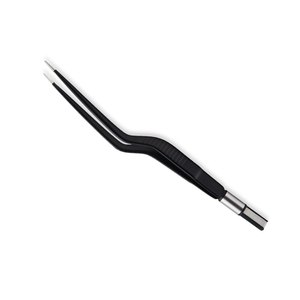
Premium Quality Bipolar Bayonet Forceps Black Color Coated Set
Contact Us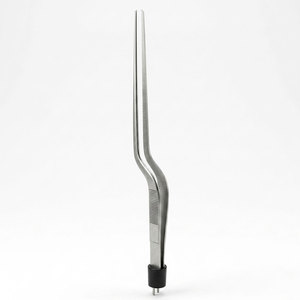
Wholesale Bayonet Non Insulated Bipolar Forceps 24cm (0.5mm - 2.0mm)
Contact Us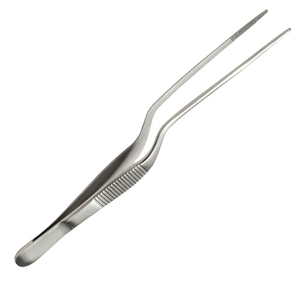
Stainless Steel Customized Manual Bayonet Ear Dressing Forceps Set
Contact Us20+
Years Manufacturing Excellence
ISO 13485
Certified Quality System
45+
Global Export Markets
100%
Passivated AISI 304/316 Steel
Sterilization Baskets & Trays: Optimizing CSSD Operations Across Kenya’s Medical Landscape
The Kenyan healthcare sector is undergoing a rapid systemic transformation. Driven by the National Government’s Universal Health Coverage (UHC) vision, infrastructure investments across Level 4 county hospitals, Level 5 regional referral centers, and Level 6 national tertiary facilities—such as Kenyatta National Hospital (KNH), Moi Teaching and Referral Hospital (MTRH), and leading private institutions like Aga Khan University Hospital Nairobi—have heightened the demand for international-grade sterile processing equipment.
In central sterile supply departments (CSSD) and surgical operating theaters throughout Nairobi, Mombasa, Kisumu, Eldoret, and Nakuru, maintaining sterile integrity from autoclave processing to bedside delivery is paramount. Inadequate instrument containment leads directly to micro-tears in sterile wraps, premature tool corrosion, and elevated rates of Healthcare-Associated Infections (HAIs). As a premier Sterilization Baskets Supplier supplying the Kenya market, SalarSurgicals delivers engineered wire mesh baskets, perforated stainless steel containers, and modular instrument trays that directly eliminate these operational vulnerabilities.
Localized Environmental & Operational Challenges in Kenya
Operating a sterile processing department in East Africa presents specific environmental and infrastructural variables that standard commercial baskets fail to address:
- Hard Water & Mineral Scale Deposits: Many municipal water systems in Kenya exhibit elevated concentrations of dissolved minerals (calcium and magnesium carbonate). During high-temperature steam sterilization (134°C), lower-grade steel baskets suffer from scaling and galvanic pitting. Our baskets utilize electropolished AISI 316L and AISI 304 austenitic stainless steel, forming a passive chromium-oxide layer that resists chemical staining and mineral adhesion.
- Power Grid Variations & Load Shedding Thermal Shock: Sudden power interruptions during autoclave sterilization cycles can cause thermal fluctuations and pressure drops. SalarSurgicals sterilization baskets feature continuous frame TIG-welded top wires (5.0mm diameter) and reinforced mesh corners, ensuring dimensional stability and zero frame distortion during thermal shock.
- Dust Ingress & Tropical Ambient Humidity: High relative humidity levels in coastal zones like Mombasa accelerate microbial growth if steam condensate pools inside sterile storage trays. Our wire mesh basket design provides an optimal open area percentage (>70%), facilitating rapid steam penetration and complete condensate drainage during vacuum drying phases.
Kenya Procurement Regulatory Landscape: KEMSA, KEBS PVoC & ISO Compliance
Navigating medical device procurement in Kenya requires strict adherence to regional regulatory frameworks governed by the Kenya Bureau of Standards (KEBS) and the Pharmacy and Poisons Board (PPB). Medical equipment importers, hospital supply contractors, and donor-funded healthcare initiatives must ensure that every shipment imported into the Port of Mombasa or Jomo Kenyatta International Airport (JKIA) Nairobi complies fully with the Pre-Export Verification of Conformity (PVoC) program.
SalarSurgicals simplifies procurement for Kenyan distributors by maintaining an audited ISO 13485:2016 Quality Management System. Every consignment of sterilization baskets, orthopedic trays, electrosurgical forceps, and microsurgical tools is backed by comprehensive Technical Files, Certificates of Conformity (CoC), and raw material melt test reports.
| Compliance Standard | Regulatory Requirement in Kenya | SalarSurgicals Technical Guarantee |
|---|---|---|
| KEBS PVoC / CoC | Mandatory physical & technical inspection prior to shipment for customs clearance in Nairobi/MOMBASA. | Pre-inspected shipments via accredited verification bodies (SGS, Intertek, TÜV) with full CoC documentation. |
| ISO 13485:2016 | KEMSA & Private Hospital tenders require verified QMS for medical device manufacturing facilities. | Certified QMS covering raw material forging, CNC machining, electropolishing, and ultrasonic cleaning. |
| EU MDR & CE Marking | Standard compliance for Level 5 & 6 surgical centers demanding high traceability and biocompatibility. | CE marked instrument families with full UDI (Unique Device Identification) laser etching on request. |
| ISO 17665 Autoclave Standard | Validation of moist heat sterilization procedures in hospital central sterile supply departments. | Basket wire grid spacing optimized for validated steam flow, ethylene oxide (EtO), and plasma sterilization. |
The Paradigm Shift: From Disposable Wraps to Reusable Rigid Baskets
Historically, many public health facilities across East Africa relied heavily on single-use non-woven polypropylene sterilization wraps. However, rising biomedical waste disposal costs and environmental sustainability targets set by the Kenyan Ministry of Health have driven a structural shift toward reusable stainless steel sterilization basket systems.
By transitioning to SalarSurgicals heavy-duty wire mesh baskets equipped with silicone holding inserts, Kenyan hospitals achieve a full return on investment (ROI) within 6 to 9 months. Silicone brackets hold delicate surgical tools—such as Bayonet Bipolar Forceps, Adson Tweezers, and Neurosurgical Dissectors—in fixed suspension, eliminating tip collision, edge dulling, and costly repair cycles.
Technical Metallurgy: Why Stainless Steel Grade Selection Matters in Sterile Processing
A primary cause of premature rust, surface staining, and latch failure in imported sterilization baskets across East Africa is the unverified use of low-grade commercial steel (such as AISI 201 or recycled 304 scraps). In an authoritative whitepaper assessment, metallurgy plays the decisive role in instrument longevity.
At SalarSurgicals, our manufacturing line strictly differentiates between austenitic steel used for containment baskets and martensitic steel used for precision cutting edges:
Austenitic AISI 304 / 316L
Used exclusively for basket frame wires, fine mesh weaving, and container lids. High chromium (18-20%) and nickel (8-11%) content provides maximum ductility, superior chemical resistance against enzymatic detergents, and complete immunity to stress corrosion cracking.
Electropolished Surface Passivation
Mechanical polishing leaves micro-burrs where moisture collects. We utilize an advanced electrochemical bath process that strips iron particles from the surface, creating an ultra-smooth, mirror-like passive layer that prevents bio-film accumulation.
Burr-Free Spot Welding
All wire intersections are automated resistance-welded and smooth-ground. This prevents sharp wire ends from tearing surgical gloves, puncturing sterilization barrier wraps, or injuring CSSD technicians during manual washing.
SalarSurgicals OEM & Private Label Program for Kenyan Distributors
As a direct manufacturer based in Sialkot with over two decades of export leadership, SalarSurgicals provides tailored OEM (Original Equipment Manufacturer) services for established medical suppliers, hospital equipment tenders, and private brands throughout East Africa.
We eliminate middleman markups, offering direct factory pricing, low minimum order quantities (MOQ starting at 50 units for standard catalog lines), and customized engineering solutions:
Fiber Laser Marking
Custom laser branding of distributor logos, catalog references, lot traceability numbers, and QR codes resistant to 500+ autoclave cycles.
Custom Dimensioning
Bespoke DIN size containers (1/1 DIN, 1/2 DIN, 3/4 DIN) and custom height profiles tailored to specific autoclave chamber configurations.
Silicone Mold Layouts
Modular medical-grade silicone racks color-coded by surgical specialty (e.g., Blue for Orthopedics, Yellow for Neurosurgery, Green for ENT).
Export Logistics
Flexible trade terms including FOB Karachi, CIF Mombasa Port, or DDP air freight directly to Nairobi commercial hubs with full customs documentation.
Frequently Asked Questions (FAQ) for Kenyan Healthcare Procurement
Q1: How do SalarSurgicals sterilization baskets comply with KEBS PVoC requirements for entry into Kenya?
All shipments destined for Kenya undergo Pre-Export Verification of Conformity (PVoC) conducted by accredited third-party inspection agencies prior to dispatch from Pakistan. We issue a Certificate of Conformity (CoC), material chemical analysis certificates (confirming AISI 304/316L grade stainless steel), and ISO 13485 audit reports to ensure smooth clearance at Mombasa Port or JKIA Nairobi without customs delays or penalty fees.
Q2: What is the typical shipping lead time from workshop dispatch to delivery in Nairobi or Mombasa?
For standard catalog items, manufacturing and passivating require 15 to 20 business days. Sea freight from Karachi Port to Mombasa Port typically takes 12 to 16 transit days. For urgent hospital tenders or emergency restocks, we offer expedited air freight to Nairobi (JKIA) via Emirates SkyCargo or Ethiopian Cargo, arriving within 4 to 6 transit days after dispatch.
Q3: Can your wire mesh sterilization baskets withstand hard water mineral buildup from local Kenyan autoclaves?
Yes. SalarSurgicals sterilization baskets undergo electro-chemical passivation and electropolishing. This process eliminates surface free-iron contaminants and creates a high-purity chromium oxide barrier that resists mineral scale adhesion, pitting, and discoloration caused by high-silica or hard water steam generated during vacuum autoclave cycles.
Q4: Are your electrosurgical bayonet forceps compatible with main generator brands used in Kenyan hospitals?
Absolutly. Our Bayonet Bipolar Forceps and reusable silicone cables are designed with universal 2-pin USA connectors, 4mm banana plugs, and European flat connectors. They integrate seamlessly with electrosurgical generators commonly installed across East Africa, including ValleyLab, Erbe, Martin, BOWA, and Olympus units.
Q5: What is the Minimum Order Quantity (MOQ) for private-label laser marking for hospital distributors in Kenya?
Our standard OEM private-label program begins at a low MOQ of 50 units per reference for standardized wire mesh baskets and electrosurgical tools. For bespoke custom-engineered basket dimensions requiring custom stamping dies, we recommend order sizes between 100 and 200 units to amortize tooling expenses effectively.
Partner with a Trusted Sterilization Baskets Supplier in Kenya
Whether you are outfitting a new surgical center in Nairobi, upgrading county CSSD infrastructure, or sourcing OEM private label instruments for regional distribution, SalarSurgicals delivers certified quality backed by factory-direct pricing.