Precision Instruments & Integrated Procedural Kits
Direct from our ISO 13485 manufacturing facility, engineered to complement infection-control surgical drape sets for neurosurgery, orthopedics, and electrosurgical procedures across Canadian healthcare networks.
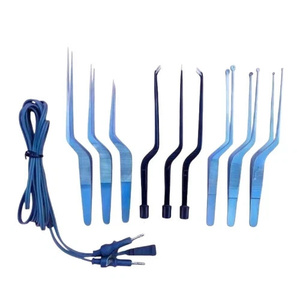
10 PCS Micro Bayonet Forceps Surgical Instrument Set Neurosurgery Tools for Delicate Tissue Handling and Microsurgery
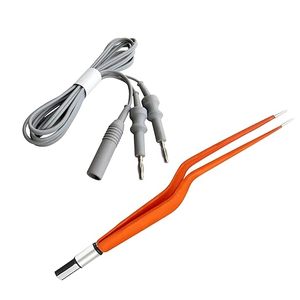
Bayonet Bipolar Forceps Professional Surgical Tool Stainless Steel Bipolar Coagulation Forceps With Fine Tips
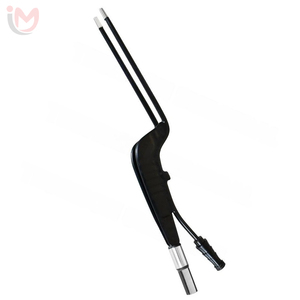
Wholesale Bayonet Bipolar Forceps Insulated Reusable Silicon Cable Surgical Instruments OEM Services
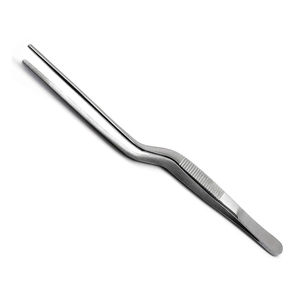
Adson Bayonet Forceps 16cm Serrated Tip Stainless Steel Surgical Dressing Tweezer
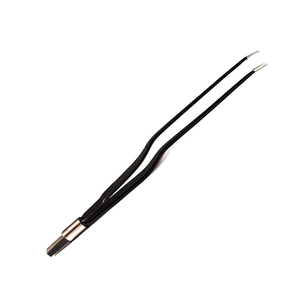
Neurosurgery Bayonet Non Stick European Bipolar Curved Forceps 22 cm W/Stop, Insulated Angled up 0.5mm, W/EU Connector CE ISO
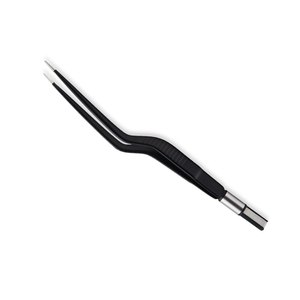
Premium Quality PENTAX SURGICAL Bipolar Bayonet Forceps Black Color Coated Stainless Steel Manual Tweezers Instrument Set
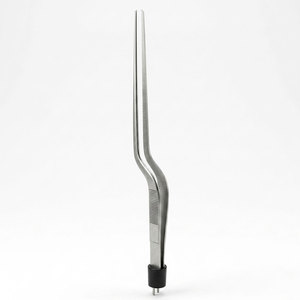
Wholesale Bayonet Non Insulated Bipolar Forceps 24cm 0.5mm 1.0mm 2.0mm Tip Microsurgery Surgical Instrument
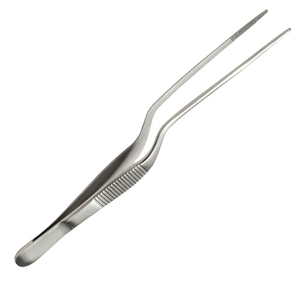
Stainless Steel Customized High-quality CE Certified Manual Bayonet Ear Dressing Forceps Instrument Set
1. Executive Summary: Canadian Healthcare Sourcing Dynamics for Surgical Drapes
The Canadian surgical drape market represents a highly specialized, tightly regulated ecosystem driven by stringent infection prevention mandates, universal public healthcare infrastructure, and escalating surgical procedural volumes across provincial health authorities. Canadian hospitals, ambulatory care centers, and private surgical facilities demand uncompromised barrier performance to mitigate Surgical Site Infections (SSIs), which currently account for significant healthcare-associated costs annually. Procurement directors across provinces—from Ontario Health and Alberta Health Services (AHS) to the British Columbia Provincial Health Services Authority (PHSA)—have fundamentally re-evaluated their medical device supply chains following global disruption shocks, prioritizing direct-factory OEM transparency, dual-sourcing resilience, and absolute regulatory compliance under Health Canada's Medical Devices Regulations (SOR/98-282).
Surgical drapes serve as the primary sterile boundary in operating rooms, establishing a protective physical and liquid barrier that isolates the surgical incision site from endogenous microflora and exogenous contaminants. For procurement officers, materials managers, and Group Purchasing Organizations (GPOs) such as HealthPro, Medbuy, and Shared Services West, evaluating surgical drape suppliers requires an intricate understanding of material science, liquid barrier performance levels defined by the Association for the Advancement of Medical Instrumentation (AAMI PB70), and localized shipping resilience within Canada's diverse environmental geography.
2. Material Science & Technical Standards: AAMI PB70 & ASTM Compliance
Modern surgical drapes manufactured for the Canadian medical market utilize advanced non-woven textile composites engineered to balance fluid repellency, tensile strength, lint reduction, and breathability. The foundational standard governing liquid barrier performance in Canada is ANSI/AAMI PB70: Liquid barrier performance and classification of protective apparel and drapes intended for use in health care facilities, recognized by Health Canada and CAN/CSA-Z8000 operating room design standards.
Direct manufacturing utilizes multi-layer non-woven architectures, primarily SMS (Spunbond-Meltblown-Spunbond), SMMS, and Polyethylene (PE) film laminates. The continuous spunbond outer layers provide structural strength, tear resistance, and low-linting performance, while the inner meltblown micro-fibrous matrix acts as a hydrophobic barrier filtering micro-organisms and particulate matter.
| AAMI Level | Test Standard | Fluid Resistance Challenge | Primary Clinical Application in Canada | Material Construction |
|---|---|---|---|---|
| Level 1 | AATCC 42 (Impact Penetration) | Water penetration < 4.5g | Low-fluid procedures, minor outpatient biopsy, ophthalmic cases | Lightweight SMS (35-45 gsm) |
| Level 2 | AATCC 42 & AATCC 127 (Hydrostatic Head) | Water penetration < 1.0g; Hydrostatic head > 20 cm | Minimal fluid exposure, ENT, outpatient diagnostic endoscopy | Standard SMS / Soft Non-woven (45-55 gsm) |
| Level 3 | AATCC 42 & AATCC 127 | Water penetration < 1.0g; Hydrostatic head > 50 cm | Moderate fluid volume, general abdominal surgery, laparoscopy, urology | Heavy-duty SMMS / PE-laminate (55-65 gsm) |
| Level 4 | ASTM F1670 (Synthetic Blood) & ASTM F1671 (Viral Penetration) | Passes synthetic blood & Phi-X174 Bacteriophage challenge at 2 psi | High-fluid, high-impact procedures, total joint arthroplasty, trauma, open-heart | Impervious PE-Film / Micro-porous SMS Composite (70+ gsm) |
In addition to barrier efficiency, drapes supplied to Canadian health networks undergo rigorous testing for flammability (NFPA Class 1 rating) to prevent ignition from electrosurgical cautery units or laser instruments, as well as ISO 10993 cytotoxicity and skin sensitization evaluations to ensure patient safety across prolonged procedures.
Localized Application Scenarios Across Canadian Healthcare Settings
From high-volume urban trauma units in Toronto, Montreal, and Vancouver to remote regional hospitals in Northern Canada, surgical drape requirements vary significantly based on surgical specialty and supply chain environment.
Orthopedic Joint Arthroplasty
Total hip and knee replacements demand AAMI Level 4 impervious draping with integrated heavy-duty fluid collection pouches, high-capacity drainage ports, and 360-degree elastic fenestrations. Canadian orthopedic suites require high tear resistance under vigorous limb manipulation and specialized instrument retention tabs to secure suction lines and bipolar cables.
Microsurgery & Neurosurgery
Neurosurgical drapes require precision fenestrations paired with clear, non-glare micro-incise films. These specialized kits are routinely packaged alongside bipolar bayonet forceps, micro-coagulation tools, and silicone insulated cables, allowing surgical teams to maintain a fluid-tight seal over delicate cranial and spinal fields.
Extreme Climate & Northern Logistics
Supplying northern health networks (e.g., Northwest Territories, Yukon, Nunavut, Northern Quebec) requires packaging capable of surviving severe sub-zero thermal drops during transport without thermal cracking or seal compromise. Custom poly-barrier vacuum wrapping ensures 100% moisture resistance and shelf stability.
4. Canadian Market Trends & Supply Chain Evolution
The Canadian surgical drape landscape is undergoing structural transformations influenced by environmental mandates, regulatory enhancements, and procurement risk management strategies:
- Health Canada Medical Devices Regulations (MDR) Modernization: Importers and distributors in Canada must hold a valid Medical Device Establishment Licence (MDEL). OEM suppliers must provide technical documentation supporting Class I or Class II device licensing, including full lot traceability, sterilization validation reports (ISO 11135 for EO gas), and bio-compatibility profiles.
- Sustainability & Green Hospital Initiatives: Canadian health organizations are actively reducing plastic waste. Manufacturers are responding by introducing lightweighted SMMS fabrics that preserve AAMI Level 3/4 barrier metrics while reducing post-procedural biohazard solid waste volume by up to 18%.
- Custom Procedural Kitting (CPK) Preference: Canadian ORs are transitioning from standalone drapes to customized procedure packs that bundle specialized drapes with drape clips, mayo stand covers, back table covers, and essential surgical instruments (e.g., bayonet dressing forceps, electrosurgical accessories), dramatically reducing surgical room turnaround times.
- Diversified Overseas Direct Sourcing: To counter vendor consolidation risks, Canadian buyers are contracting directly with established export manufacturers in key surgical production hubs like Sialkot, Pakistan, securing competitive pricing and guaranteed production slot reservations.
5. SalarSurgicals OEM & Manufacturing Capabilities
Operating from Sialkot, Pakistan—a world-renowned hub for surgical instrument and medical textile craftsmanship—SalarSurgicals (Incamed) brings over 20 years of specialized manufacturing experience to international distributors, hospital supply partners, and private label brand owners across Canada.
Certified Quality Management
Our facility operates under an audited ISO 13485:2016 Quality Management System, with CE Marking across our instrument and draping product lines and US FDA establishment registration, ensuring seamless alignment with Health Canada MDEL requirements.
End-to-End Private Label OEM
From laser marking brand logos, catalogue references, and lot codes to custom fenestration geometry and bespoke retail/sterile barrier packaging, our engineering team translates customer drawings into validated pre-production samples within 10 to 15 working days.
Commercial Flexibility & Direct Pricing
We eliminate trading intermediary markups. By offering low minimum order quantities (MOQs starting at 50 pieces for catalogue items) and flexible shipping terms (FOB Karachi, CIF Vancouver/Toronto, or DDP delivery), we empower Canadian importers to optimize cash flow.
Frequently Asked Questions by Canadian Medical Procurement Directors
Addressing core technical, regulatory, and logistics inquiries regarding direct OEM sourcing of surgical drapes and procedural kits for the Canadian market.
Partner with a Trusted Surgical Drape & Instrument Manufacturer
Connect with our technical export desk today to request OEM quotes, technical whitepapers, material samples, or custom procedural kit configurations for the Canadian market.