Neurosurgery / Micro-Retraction
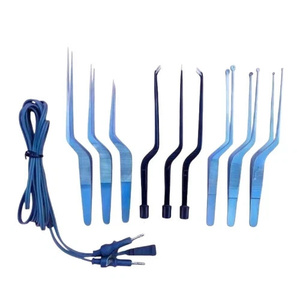
10 PCS Micro Bayonet Forceps Surgical Instrument Set
Designed for delicate tissue handling, deep vascular exposure, and micro-neurosurgical procedures with ergonomic grip balance.
Get a QuoteISO 13485:2016 Certified precision-engineered instruments designed for microsurgical accuracy, deep-tissue retraction, and electrosurgical hemostasis.
Designed for delicate tissue handling, deep vascular exposure, and micro-neurosurgical procedures with ergonomic grip balance.
Get a Quote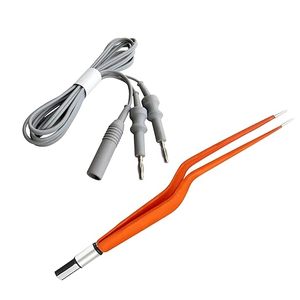
Featuring ultrafine 0.5mm tips for precise bipolar coagulation in restricted surgical corridors without thermal spread.
Get a Quote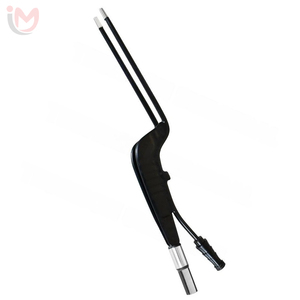
High-grade dielectric insulation coated forceps paired with autoclavable silicone cables for long-term clinical durability.
Get a Quote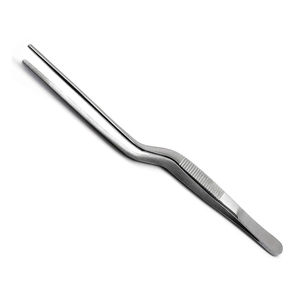
Crafted from AISI 420 martensitic steel, offering slip-free atraumatic grip during tissue layer separation and dressing.
Get a Quote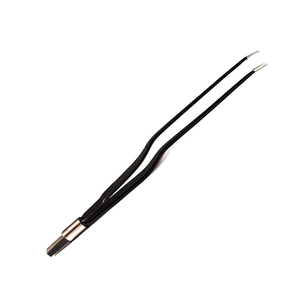
Equipped with guide stop, angled 0.5mm tips, and solid silver-alloy core technology for zero tissue-charring stickiness.
Get a Quote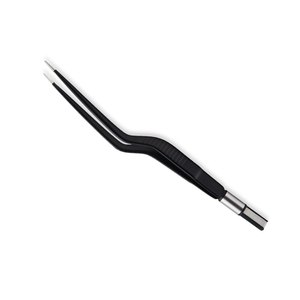
Anti-reflective dark ceramic surface designed specifically for high-intensity surgical microscopic illumination.
Get a Quote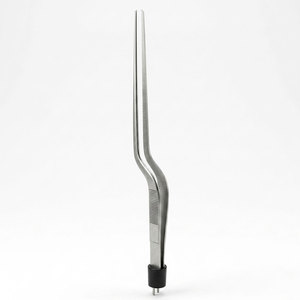
Extended shaft reach for skull-base, spinal retraction assistance, and micro-dissection in deep anatomical structures.
Get a Quote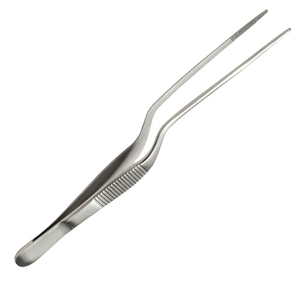
CE Certified precision bayonet tweezers tailored for auditory canal manipulation, packing, and microscopic tissue handling.
Get a QuoteAnalyzing Metallurgical Standards, Mechanical Kinematics, and PMDA Regulatory Synergies in Aichi Prefecture Healthcare Delivery
In modern operative environments—ranging from the high-complexity neurosurgical suites at Nagoya University Hospital to specialized oncological resection centers across Aichi Prefecture—the mechanical integrity of surgical retractors and microsurgical hold-back tools directly dictates surgical field visibility, tissue ischemia control, and patient outcomes. As a global manufacturer and exporter operating from the renowned medical forging hub of Sialkot, Pakistan, SalarSurgicals bridges century-old metallurgical craftsmanship with rigorous ISO 13485:2016 quality management systems to serve the elevated demands of Japanese medical device importers, hospital procurement networks, and OEM brand holders.
Surgical retractors are fundamentally classified as critical load-bearing hand-held or self-retaining instruments. In deep cranial, spinal, and thoracic procedures, retraction force must remain constant over multi-hour interventions without causing tissue bruising, vascular compression, or mechanical slippage. Achieving this benchmark requires an acute understanding of cold-working stainless steel microstructures, precise heat-treatment cycles to yield optimal Rockwell C hardness (HRC), and specialized chemical passivation techniques compliant with ASTM F899 standards.
The durability of reusable surgical retractors—such as Yasargil Leyla flexible arm systems, Gelpi self-retaining retractors, Weitlaner retainers, and specialized Bayonet forceps—depends on the strict selection of surgical-grade alloys:
Offers exceptional yield strength and high tensile endurance after vacuum heat treatment (48–54 HRC). Ideal for retractor ratchets, joint box locks, micro-tips, and cutting-edge retaining arms where resistance to mechanical wear under constant tension is vital.
Utilized primarily for wide retractor blades, frame rings, and sterilization basket systems. Offers superior ductility and exceptional resistance to pitting corrosion during repeated 134°C autoclave cycles and enzymatic washer-disinfector protocols.
Engineered for ultra-lightweight microsurgical and neurosurgical retractor components. Non-magnetic for MRI-guided intraoperative setups and highly resistant to flexural fatigue during delicate vascular hold-backs.
A comprehensive engineering comparison of retractor mechanics, blade geometry, and localized surgical applications across medical specialties in Nagoya.
| Retractor System / Pattern | Material Composition | Mechanical Mechanism | Primary Clinical Application in Nagoya | Autoclave & Passivation Protocol |
|---|---|---|---|---|
| Yasargil Leyla Retractor | AISI 304 Frame / Titanium Arms | Flexible Articulated Arm with Central Fixation Knob | Neurosurgical Cranial & Skull Base Retraction | Citric Acid Passivated / 134°C Steam (20 Min) |
| Gelpi Self-Retaining Retractor | AISI 420 Martensitic Steel | Ratchet Lock with Sharp/Blunt Single Prongs | Orthopedic Spine, Orthopedic Joint & Perineal Surgery | Nitric Passivation ASTM F899 Compliant |
| Weitlaner Ratchet Retractor | AISI 420 Stainless Steel | Self-Locking Ratchet with 2x3 or 3x4 Interlocking Teeth | Deep Muscle & Soft Tissue Retraction (MIS Spine) | Ultrasonic Degreased & Passivated (ISO 7153-1) |
| Beckman-Adson Hinged Retractor | AISI 420 Stainless Steel | Hinged Joint Arms with Wide Curved Blade Prongs | Laminectomy & Deep Lumbar Spinal Dissection | Autoclavable up to 500+ Standard Sterilization Cycles |
| Bayonet Bipolar Micro Retractor/Forceps | AISI 420 + High-Temp Insulated Epoxy | Spring-Tension Hand Tweezers with EU/USA Pin Hub | Micro-Vascular Coagulation & Brain Parenchyma Retraction | Dielectric Breakdown Tested at 1.5kV AC Peak |
Tailoring Instrument Ergonomics and Surface Finishes to Japanese Surgical Protocols
In high-density clinical nodes such as the Nagoya University Graduate School of Medicine, neurosurgeons perform intricate keyhole craniotomies requiring bayonet-style micro-forceps and flexible Leyla retractor systems. The bayonet bend offsets the surgeon's line of sight, enabling clear visual transmission under 40x magnification microscopes.
Spinal surgery units across regional centers like Fujita Health University Hospital require high-leverage self-retaining retractors (such as Beckman-Adson and Weitlaner models) capable of retaining heavy paraspinal musculature during TLIF (Transforaminal Lumbar Interbody Fusion).
Navigating Regulatory Alignment, Aging Demographics, and Supply Chain Resilience in Central Japan
Medical devices entering Japan are governed by the Pharmaceuticals and Medical Devices Agency (PMDA) under the Ministry of Health, Labour and Welfare (MHLW). Reusable Class I manual surgical instruments require strict compliance with JIS T 7401 stainless steel standards and Todokede (Notification) filings. SalarSurgicals provides complete Technical Construction Files (TCF), raw material melt certificates, and ISO 13485 QMS audit documentation to streamline Japanese domestic registration for our import partners in Nagoya and Tokyo.
Japan's super-aged demographic (with over 29% of the population aged 65+) has accelerated total hip arthroplasty (THA), total knee arthroplasty (TKA), and degenerative spinal fusion procedures in Aichi Prefecture. This surge increases hospital demand for durable, heavy-duty orthopedic retractor sets with low long-term replacement costs.
Nagoya's major clinical hubs are rapidly adopting hybrid operating rooms equipped with robotic assistance and real-time CT imaging. Retractors used in these suites require ultra-low magnetic interference, glare-free black PVD coatings, and slim-profile frames that do not impede robotic arm sweeps.
Japanese medical instrument distributors are increasingly bypassing European trading intermediaries in favor of direct ISO-certified original equipment manufacturers (OEMs) in Sialkot. This shift reduces landed costs while maintaining strict adherence to custom Japanese dimensional specifications.
Combining Sialkot's Century-Old Forging Heritage with Modern Engineering Integrity
Unlike trading entities that source piecemeal components from disparate subcontractors, SalarSurgicals operates an integrated facility on Defence Road, Sialkot. From drop-forging and high-precision CNC wire-cutting to hand-grinding, ratchet setting, and fiber laser marking—every step is governed by our certified ISO 13485 QMS.
We empower Japanese medical brand owners to launch proprietary retractor designs with low minimum order quantities (MOQs starting at just 50 pieces per catalogue reference). Fiber laser branding of logo, JIST reference codes, lot numbers, and GS1-compliant UDI barcodes is fully supported.
We offer flexible commercial shipping terms including FOB Karachi, CIF Nagoya, or door-to-door DDP to warehouses in Nagoya, Toyota City, and Gifu. Standard courier shipments via DHL/FedEx arrive in Nagoya within 4 to 6 business days.
Every batch undergoes automated ultrasonic washing followed by nitric/citric acid passivation. We perform 100% boiling water corrosion resistance testing per ISO 7153-1 to ensure zero rust formation during hospital steam sterilization.
Addressing Commercial, Technical, and Regulatory Inquiries for Surgical Retractor Imports into Nagoya
Elevate your surgical instrument portfolio in Nagoya and across Japan. Contact our international export engineering desk for instant catalogue access, custom OEM manufacturing quotes, and material sample kits.