Specialized Sterilization Baskets & Surgical Cassette Systems
Precision-engineered wire mesh baskets, perforated trays, and silicone-fitted cassettes manufactured under ISO 13485 quality systems for demanding Japanese CSSD operations.
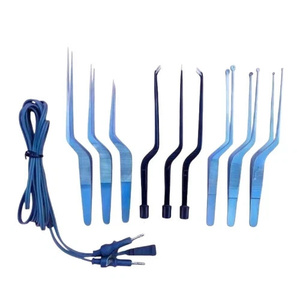
10 PCS Micro Bayonet Forceps Surgical Instrument Set & Sterilization Basket
Ultra-fine mesh stainless steel basket equipped with customized medical-grade silicone holding racks. Specially designed to preserve neurosurgical micro bayonet tips during high-pressure autoclaving.
Contact Us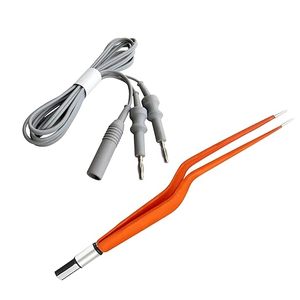
Bayonet Bipolar Forceps Precision Sterilization Tray with Lockable Lid
Electro-polished SUS316L wire basket featuring double-frame corners and secure side-latches. Engineered specifically for bipolar coagulation forceps to prevent insulation abrasion in washer-disinfectors.
Contact Us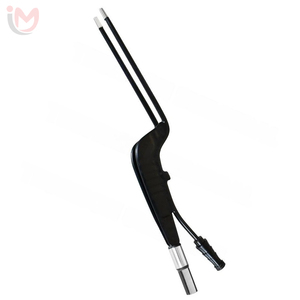
Wholesale Insulated Bipolar Forceps & Reusable Silicon Cable Sterilization Cassette
High-efficiency perforated tray with integrated silicone cable spools. Fully compatible with Japanese hospital thermal disinfectors, ensuring 100% steam penetration and rapid drying performance.
Contact Us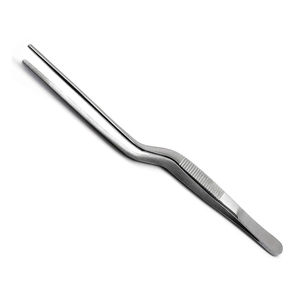
Adson Bayonet Forceps & Fine Tweezer Modular Sterilization Basket
Burr-free welded fine-wire basket designed for high-density arrangements of 16cm serrated Adson tweezers and dressing forceps. Smooth border rails eliminate surgical wrap tearing.
Contact Us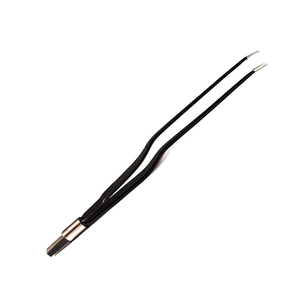
Neurosurgery Non-Stick Bipolar Curved Forceps Dedicated Sterilization Module
Bespoke 22cm neurosurgical instrument tray featuring heat-resistant silicone alignment fixtures (up to 220°C). Ensures exact positioning for 0.5mm micro tips without physical tip contact.
Contact Us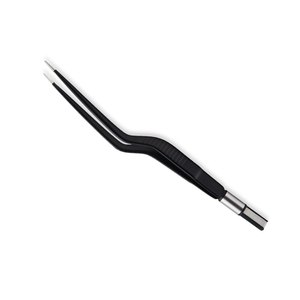
Premium Bipolar Bayonet Forceps & Coated Tweezers Protective Wire Basket
Heavy-duty stainless steel container optimized for black-coated manual tweezers and delicate electrosurgical tools. Features drop-down carrying handles and stackable corner posts.
Contact Us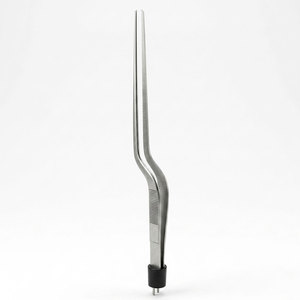
Microsurgery Bayonet Forceps Multi-Level Sterilization Container System
Multi-layer custom wire mesh cassette designed for extended 24cm microsurgical bayonet instruments. Built with adjustable silicone divider strips for maximum capacity in compact Japanese autoclaves.
Contact Us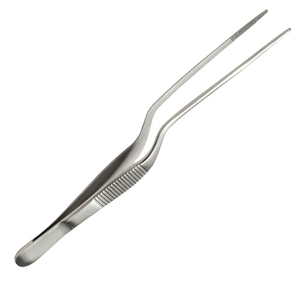
Customized CE-Certified Bayonet Ear Dressing Forceps Sterilization Box
Compact perforated stainless box specifically tailored for ENT outpatient clinics and ambulatory surgery centers in Japan. High-luster electropolished finish resists chemical tarnishing.
Contact UsTechnical Whitepaper: Engineering High-Performance Stainless Steel Sterilization Baskets for Japan’s Healthcare Sector
As hospitals across Japan continue to modernize their Central Sterile Supply Departments (CSSD / 中央材料室) and align with rigid Ministry of Health, Labour and Welfare (MHLW) safety protocols, the selection of surgical instrument sterilization containment systems has shifted from generic mesh trays to high-precision, electro-polished stainless steel sterilization baskets. As a premier China manufacturer and direct OEM supplier specializing in medical-grade wire containment systems, our facility bridges high-capacity precision manufacturing with Japanese clinical requirements.
1. Metallurgical Excellence & Surface Chemistry: SUS316L vs. SUS304
The operational longevity of a sterilization basket operating in Japanese hospitals depends directly on alloy chemistry and surface passivation. Japanese CSSD workflows employ high-temperature steam autoclaving (134°C for 18 minutes), plasma hydrogen peroxide sterilization (Sterrad), and aggressive enzymatic washer-disinfector detergents (pH > 10.5). To withstand these corrosive environments without suffering from stress corrosion cracking, intergranular rust, or pitting, our factory strictly enforces material selection protocols:
| Material Specification | SUS304 (Standard Grade) | SUS316L (Medical Premium Grade) | Impact on Japanese Hospital CSSD Workflow |
|---|---|---|---|
| Chemical Composition | 18% Cr / 8% Ni | 16% Cr / 10% Ni / 2.0-2.5% Mo | Molybdenum inclusion in 316L provides superior defense against chloride pitting from saline residue. |
| Carbon Content | ≤ 0.08% | ≤ 0.03% (Low Carbon) | Prevents carbide precipitation during resistance wire spot-welding, preserving corrosion resistance. |
| Surface Roughness (Ra) | Ra ≈ 0.8 µm (Mechanical Polish) | Ra < 0.38 µm (Advanced Electropolishing) | Ultra-smooth surface prevents microscopic bio-film adhesion and reduces drying cycle times by 30%. |
| Passivation Standard | ASTM A380 Standard | ASTM A967 Citric Acid Treatment | Ensures a oxide-to-iron ratio > 2.1, completely eliminating flash rusting during steam discharge. |
Our manufacturing facility utilizes automatic CNC resistance spot-welding to ensure that every wire cross-section is fused with zero perimeter burrs. Following assembly, all baskets undergo a full-immersion electro-polishing cycle in a temperature-controlled bath. This process selectively dissolves microscopic surface peaks, leaving a mirror-like finish that repels residual contaminants and guarantees compliance with JIS T 7326 (Japanese Industrial Standard for Medical Sterilization Trays).
2. Localized Application Scenarios in Japanese Medical Facilities
Understanding the operational context within Japanese hospitals allows us to engineer tailored containment solutions that directly address local pain points:
High-Density Central CSSD Automated Washing
In large Japanese municipal and university hospitals (e.g., Tokyo, Osaka, and Nagoya regions), automated washer-disinfectors operate on continuous 45-minute cycles. Our baskets feature top-and-bottom stacking rims with 6mm frame wire, enabling stable multi-tier loading without crushing micro-instruments beneath heavy orthopedic sets.
Microsurgery & Neurosurgery Delicate Tool Protection
Japanese neurosurgeons are renowned for using ultra-fine micro bayonet forceps with tip dimensions as small as 0.3mm. Our custom cassettes incorporate medical-grade, peroxide-cured silicone insert fixtures that firmly clamp tool shanks in mid-air, preventing tip contact with metal wire during transport.
da Vinci Xi Robotic Instrument Sterilization
With Japan holding one of the highest densities of surgical robotic systems globally, our factory produces specialized 60cm+ extended wire containers equipped with flush-port bracket holders that fit robotic endowrist instruments perfectly during steam flow cycles.
Ambulatory Day Surgery & Private Dental Clinics
Smaller medical clinics across Japan require compact, highly portable sterilization cassettes that combine the tray, lid, and silicone organizer into a single lightweight unit compatible with tabletop class-B autoclaves.
3. Localized Market Trends Driving Japan's Sterilization Sector
The Japanese healthcare market is undergoing structural changes that direct procurement policies in medical centers. Our OEM production lines are continuously updated to support these market trends:
A. Rapidly Aging Population & Surgical Volume Surge: Japan’s demographic shift has driven an unprecedented demand for joint replacement, spinal fusion, and cardiovascular procedures. This volume surge requires fast CSSD turnover times. Baskets equipped with optimized mesh porosity (5mm x 5mm opening ratio > 72%) allow faster condensate drainage and dry times, reducing overall sterilizer cycle durations.
B. Transition from Disposable Packaging to Rigid Container Systems: In accordance with Japan's national hospital sustainability goals and waste reduction directives, medical centers are phasing out single-use non-woven sterilizer wraps. Our heavy-duty wire baskets with click-lock silicone gasket lids serve as permanent internal modules for reusable aluminum container systems.
C. PMDA Regulatory Compliance & Material Traceability: The Pharmaceuticals and Medical Devices Agency (PMDA) in Japan enforces strict audit trails for all medical equipment touch-points. As an ISO 13485:2016 certified China supplier, we provide full raw material heat-lot certificates, 3.1 chemical analysis documentation, and passivation inspection reports for every shipment entering Japanese ports like Tokyo, Yokohama, and Osaka.
4. Enterprise Manufacturing Strengths & China OEM Factory Advantages
Sourcing directly from our specialized manufacturing plant in China provides Japanese medical distributors, hospital procurement consortia, and surgical brand owners with distinct commercial and operational advantages:
- Precision Tooling & Mold Workshop: We maintain an in-house tooling division capable of engineering custom silicone profiles, stamping dies, and wire-bending fixtures in less than 7 working days from CAD approval.
- Automated Fiber Laser Marking & UDI Code Integration: Every basket can be laser-engraved with custom hospital logos, catalog reference numbers, GS1 DataMatrix 2D barcodes, and UDI identification codes to integrate seamlessly with Japanese hospital electronic inventory tracking software.
- Direct Factory Pricing with Low MOQ: By eliminating export brokers and intermediary trading offices, we deliver factory-direct wholesale pricing. Standard catalog models carry low Minimum Order Quantities starting at just 50 pieces.
- Strict Quality Assurance & AQL 0.65 Inspection: Every batch is subject to 100% dimensional checks, ultrasonic burr inspection, optical surface roughness analysis, and salt spray corrosion testing prior to export packaging.
Frequently Asked Questions by Japanese Importers & Procurement Teams
Clear, transparent technical and logistical answers to streamline your direct factory sourcing experience from China.
Q1: Do your sterilization baskets comply fully with Japanese JIS T 7326 standards?
Yes. Our sterilization baskets are engineered specifically to comply with JIS T 7326 (Stainless steel wire baskets for medical instrument sterilization). We strictly monitor wire thickness, frame rigidity, mesh aperture ratios, and corner radiuses to match Japanese hospital sterilizer rack specifications.
Q2: What material documentation do you provide for PMDA audit compliance in Japan?
With every commercial shipment, we furnish a comprehensive Quality Assurance Dossier under NDA. This includes ISO 13485 QMS certificates, EN 10204 Type 3.1 material test reports confirming raw SUS316L/SUS304 chemical composition, ASTM A967 passivation certificates, and biocompatibility documentation for all silicone component inserts.
Q3: Why is electropolishing superior to standard mechanical polishing for Japanese CSSDs?
Mechanical polishing leaves microscopic abrasions and embedded compounds that can trap bio-burden and lead to localized corrosion under acidic washer detergents. Our electro-polishing process removes microscopic high points via electrochemical reaction, creating an ultra-smooth (Ra < 0.38 µm) passive chromium-oxide layer that resists chemical degradation and reduces drying cycles.
Q4: Can you engineer bespoke silicone holding fixtures for custom surgical instrument sets?
Absolutely. You can send us sample instruments or 3D CAD models (STEP/IGES format). Our engineering team designs custom high-temp medical silicone holders (peroxide cured, rated to 220°C steam) that secure delicate tools inside the basket, eliminating instrument movement during transit and autoclaving.
Q5: What are your typical production lead times and shipping terms to Japanese ports?
Standard catalog orders ship within 15 to 20 working days. Custom OEM orders requiring new silicone tooling ship in 25 to 35 days. We routinely ship under FOB, CIF, or DDP terms directly to major Japanese ports (Tokyo, Yokohama, Nagoya, Osaka, Kobe) via ocean container or express air freight with complete customs clearance documentation.
Q6: How do you prevent sharp wire ends from damaging sterile wraps or surgical gloves?
Our baskets feature top and bottom frame wire wrap-around design where every cross-wire is resistance-welded into an undercut groove or flush-trimmed to zero margin. All perimeter borders undergo robotic deburring and plasma smoothing so that no sharp points exist anywhere on the unit.
Ready to Upgrade Your Sterilization Basket Portfolio for the Japan Market?
Contact our expert engineering and export desk today. We offer immediate technical consultations, free CAD layout proposals, factory pricing quotes, and pre-production sample evaluation for Japanese medical distributors and OEM brands.