Evaluating Sialkot Surgical Instrument Manufacturers
Key audit criteria for international buyers: heat treatment certification, wire EDM tolerances, ISO 13485 compliance, and verifying direct factory status versus trading houses.
Read Full GuideTechnical OEM benchmark guide for medical device importers, hospital procurement officers, and surgical brand owners. Built with German AISI 420 martensitic steel, calibrated mechanical leverage, and total heat-lot traceability.
When procurement teams evaluate Orthopedic Bone Rongeurs, technical decisions directly impact clinical outcomes, instrument longevity, and sterilization safety. Below is an engineering overview designed to address high-intent buyer inquiries.
An Orthopedic Bone Rongeur must withstand immense shear stress during cortical bone excision without blade dulling or fracture. At SalarSurgicals, we forged our rongeurs using high-purity German martensitic stainless steel grades (AISI 420B and AISI 420C).
Through a computer-controlled vacuum heat treatment process, the cutting jaws achieve a Rockwell Hardness of 50–54 HRC. The handles retain a ductile matrix to absorb mechanical shock, while non-cutting mechanical components utilize corrosion-resistant AISI 304/316L stainless steel. Every lot undergoes chemical composition verification (EN 10204 3.1 certification) and passivation under ASTM A967 and ASTM F867 protocols.
Surgical performance relies heavily on mechanical leverage ratios. Single-action rongeurs rely on a direct single-pivot fulcrum, offering maximum tactile feedback for delicate gouging in superficial or micro-pediatric procedures.
In contrast, Double-Action Bone Rongeurs (such as Beyer, Ruskin, and Stille-Luer patterns) utilize a synchronized dual-pivot linkage system. This mechanical linkage multiplies hand squeezes by a 3:1 to 5:1 force transformation ratio. Surgeons can bite through tough cortical structures or spinal vertebrae with up to 70% reduced manual effort, mitigating surgeon hand fatigue during lengthy spinal laminectomies.
Selecting the optimal rongeur pattern requires matching jaw geometry, bite angle, and working length to specific surgical access requirements:
The following instrument references represent our most frequently ordered items by international distributors across North America, Europe, and the Middle East. Every unit is manufactured in-house under ISO 13485 QMS.
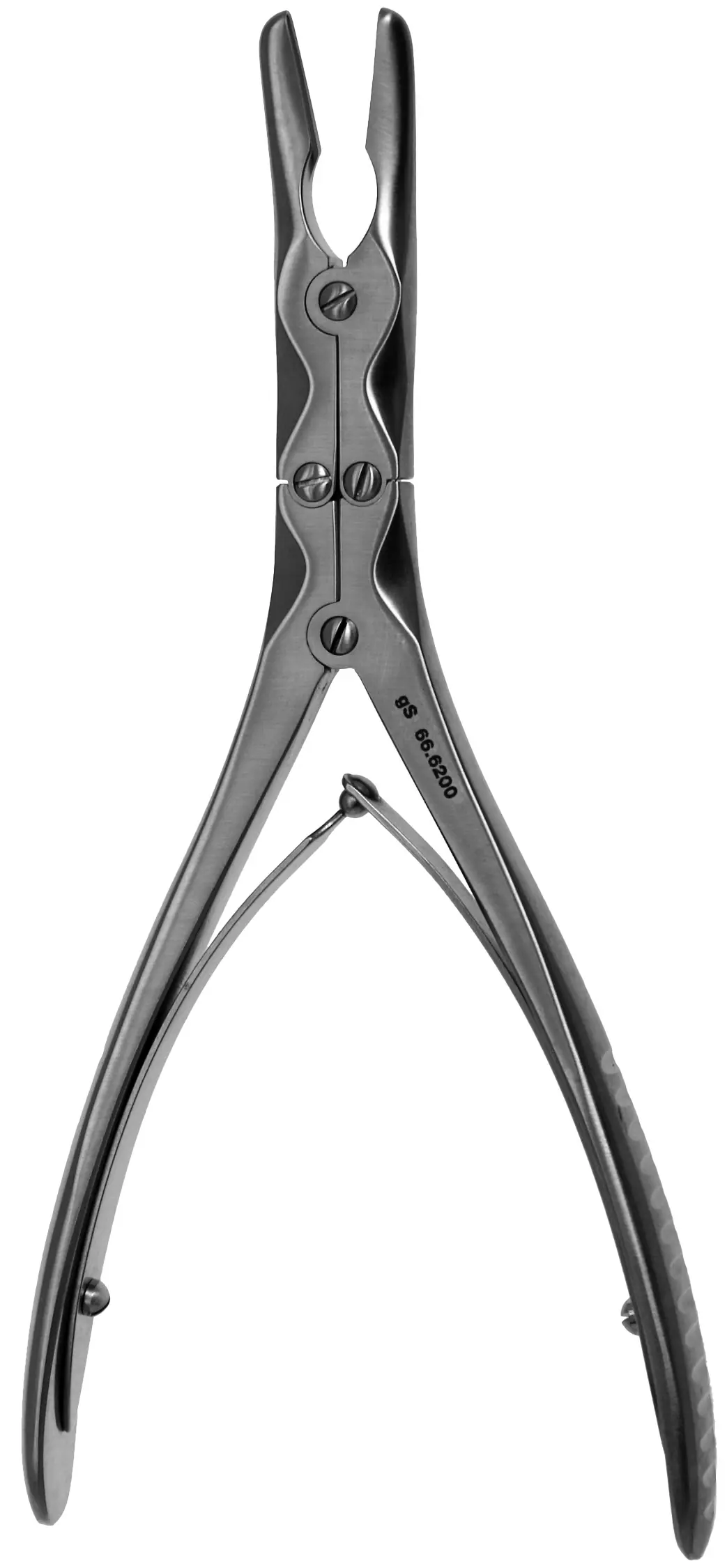
Double-action leverage mechanism, German AISI 420 stainless steel, hardened 52 HRC jaw tips for slip-free bone cutting.
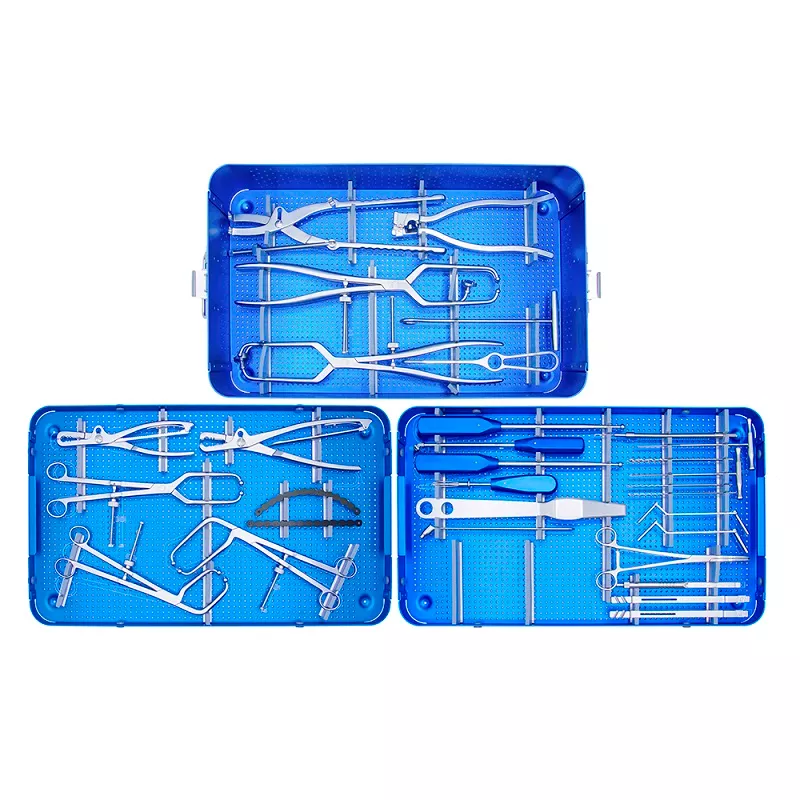
Comprehensive trauma tray including rongeurs, bone reduction forceps, benders, and laser-marked depth gauges.
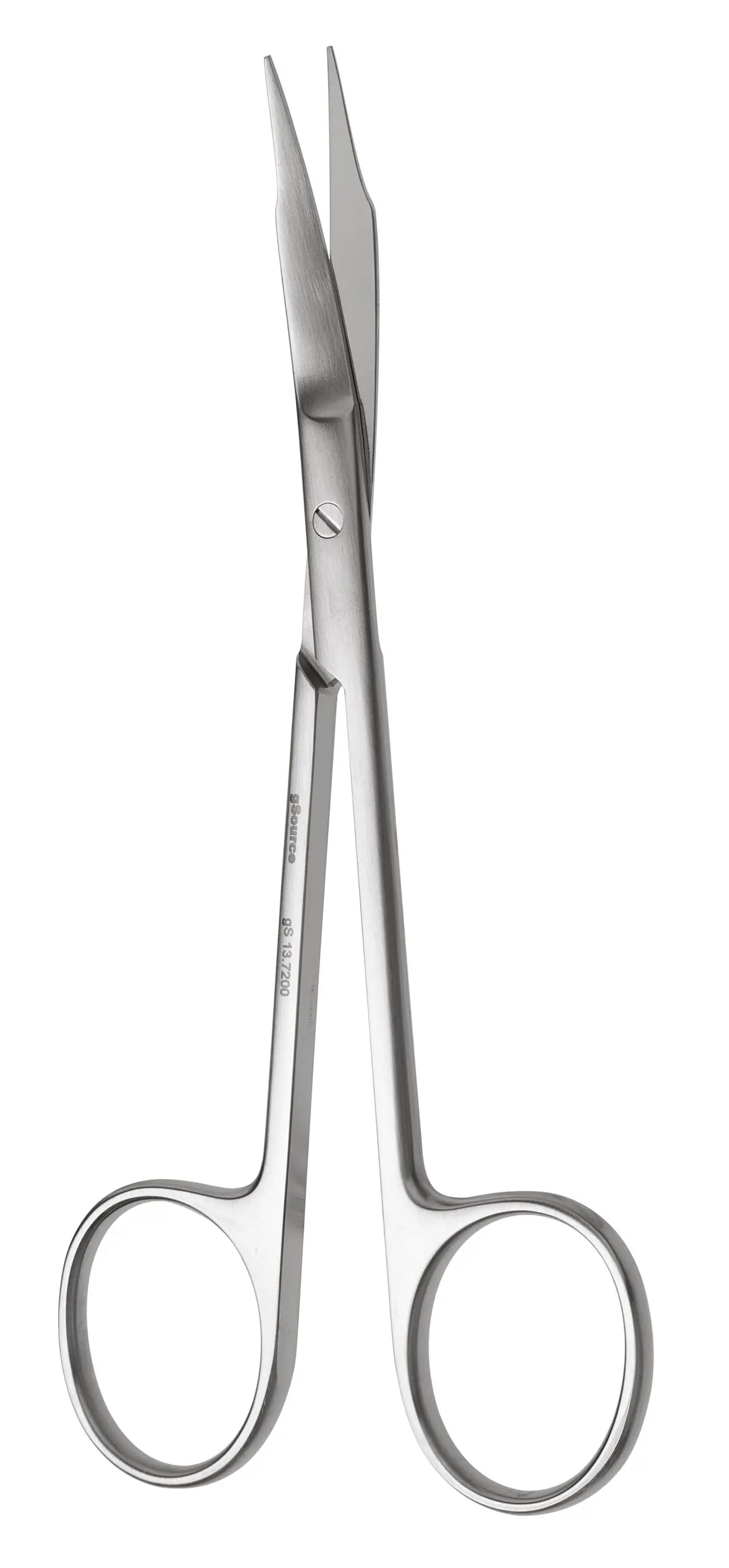
Micro-serrated tissue engagement edge, ice-tempered stainless steel, satin low-glare surface finish for fine dissection.
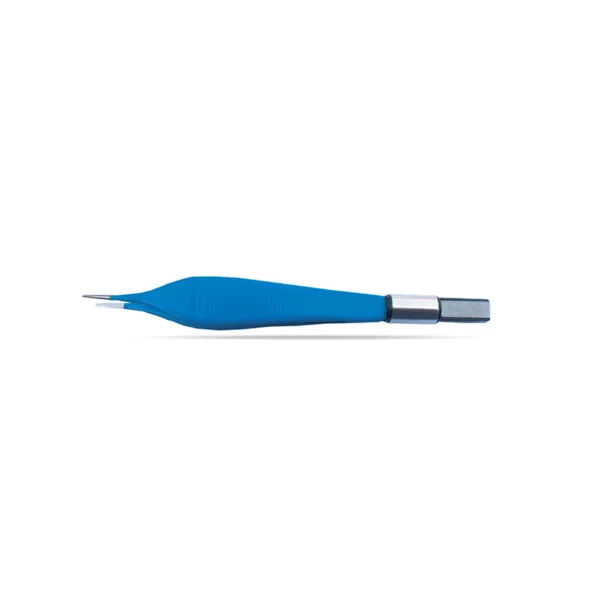
1.0 mm tip guide, fully encapsulated high-grade insulation, silver or titanium non-stick alloy options.
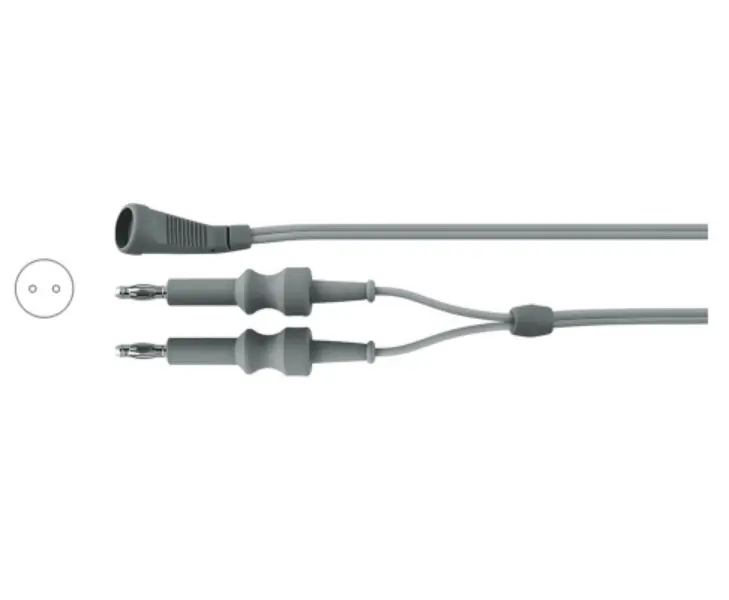
Flexible 3-meter medical silicone jacket, tinned copper core strands, validated for 134°C steam autoclave cycles.
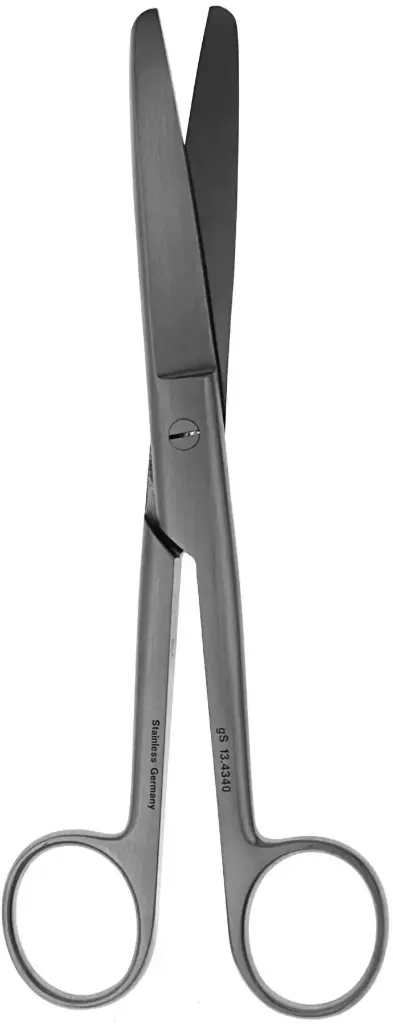
Balanced ring leverage, hardened cutting edge (50–54 HRC), available in straight and curved tip profiles.
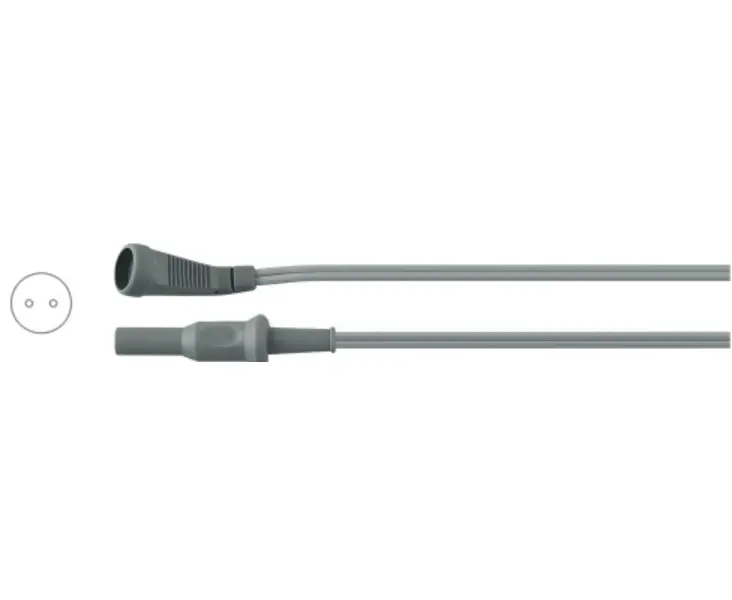
Precision moulded strain relief, compatible with Martin electrosurgical units, heat-resistant silicone insulation.
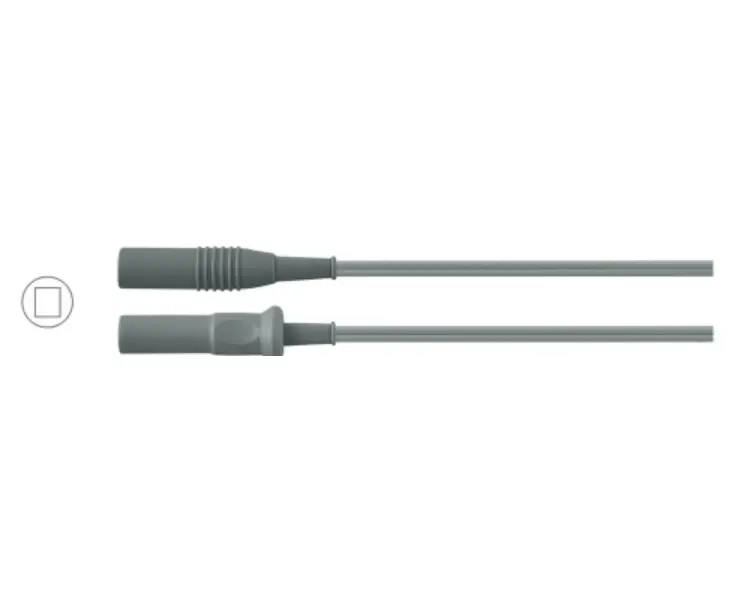
European flat-connector geometry for Erbe generators, high-flex internal core, full lot traceability.
The global orthopedic market demands continuous engineering advancements. Importers and hospital procurement managers must monitor these technical trends to maintain competitive advantages in clinical supply.
Diamond-Like Carbon (DLC) and Titanium Aluminum Nitride (TiAlN) coatings are increasingly replacing standard satin finishes. These physical vapor deposition (PVD) coatings increase surface hardness to over 2500 HV, drastically reduce reflection under high-intensity operating theatre lighting, and extend jaw sharpness by up to 300% across repeated autoclave processing.
In modern Central Sterile Supply Departments (CSSD), hospital infection control standards (such as ISO 17664) mandate complete bioburden removal. The industry is rapidly shifting toward detachable Kerrison rongeurs that unclip without tools, exposing the entire sliding channel for thorough ultrasonic cleaning and automated washer-disinfector cycles.
Traditional solid double-action rongeurs add significant weight to instrument trays. Modern designs feature skeletonized handle cut-outs and contoured palm rests. This reduces total instrument weight by 20% to 35% without compromising mechanical structural integrity, optimizing balance for complex orthopedic surgeries.
B2B purchasing of surgical instruments is undergoing a paradigm shift driven by digital supply chains, regulatory tightening, and risk mitigation strategies.
Global distributors are reducing reliance on third-party trading intermediaries to combat margin compression and supply disruption. Direct collaboration with audited ISO 13485 production facilities in Sialkot allows brand owners to secure custom laser branding, bespoke catalog numbering, flexible MOQs (such as 50 pieces per ref), and factory-direct pricing structures.
Under US FDA GUDID mandates and European Union MDR (EU 2017/745) requirements, reusable orthopedic instruments must carry permanent 2D GS1 DataMatrix codes. Modern procurement contracts now require fiber laser-marked UDI strings on rongeur shafts that survive 500+ autoclave cycles without degrading readability.
Regulatory authorities demand full traceability from raw steel billet to finished clinical product. Leading procurement teams require mill test certificates confirming exact chemical compositions (carbon, chromium, molybdenum ratios) and documented batch-level passivation test logs to ensure compliance with international medical device standards.
To avoid hospital backorders, distributors are establishing rolling forecast agreements with manufacturing partners. Factory partners retain semi-finished forged blanks in buffer stock, allowing final CNC finishing, laser marking, and packaging within expedited lead times of 15 to 20 business days.
Based in Defence Road, Sialkot, SalarSurgicals combines more than a century of Pakistani surgical forging craftsmanship with modern ISO 13485:2016 quality management standards.
Every rongeur is forged from certified German martensitic stainless steel (AISI 420B/C). We provide EN 10204 3.1 mill certificates and lot-specific hardness test reports with every shipment.
Fiber laser marking of custom logos, catalog references, lot numbers, and GS1 DataMatrix UDI codes. Low OEM minimum order quantities starting at 50 pieces per catalog reference.
Technical dossiers aligned with EU MDR 2017/745 Class IIa/I standards, ISO 13485:2016 QMS certificates, and US FDA Establishment Registration details for seamless import customs clearance.
From closed-die forging and CNC box-lock milling to hand filing, heat treatment, passivation, and ultrasonic cleaning — zero subcontractor reliance guarantees total quality control.
Every bone rongeur undergoes functional bite testing on synthetic bone cards under magnification, verifying micro-gap closure, spring tension, and edge sharpness prior to packing.
Trusted export desk offering FOB Karachi, CIF destination airport, and DDP shipping solutions with customized customs invoice breakdowns and certificates of origin.
Whether you need standard Beyer or Kerrison patterns or a proprietary modified jaw angle, our engineering team guides your project through a structured, risk-free manufacturing protocol.
Our standardized pathway ensures strict adherence to dimensional tolerances and lead times.
Below are detailed answers to the most common technical and commercial queries submitted by international healthcare buyers and procurement managers.
Single-action bone rongeurs utilize a single pivot pin connecting the two handles. This direct mechanism yields maximum tactile feel, making single-action instruments ideal for shallow, delicate bone biting (such as in hand or micro-pediatric surgery) where surgeons require precise feedback on bone resistance. However, single-action rongeurs require higher hand pressure to shear dense bone.
Double-action bone rongeurs incorporate a double-pivot linkage mechanism. This design multiplies the surgeon's grip force by a 3:1 to 5:1 ratio, drastically increasing shearing force at the cup jaw. Double-action rongeurs (such as Beyer, Ruskin, and Stille-Luer patterns) are preferred for heavy orthopedic trauma, joint replacement, and spinal surgeries because they slice through dense cortical bone effortlessly while minimizing surgeon hand fatigue.
SalarSurgicals utilizes premium German martensitic stainless steel grades—primarily AISI 420B (X30Cr13) and AISI 420C (X46Cr13)—for all cutting jaws and box lock assemblies. Through automated vacuum heat treatment and oil quenching, the cutting cups are hardened to a Rockwell rating of 50 to 54 HRC. This hardness balance ensures the jaw retains a sharp cutting edge over hundreds of surgical cycles without becoming brittle or micro-chipping.
Non-cutting handles, leaf springs, and pivot pins are produced from austenitic AISI 304 or 316L stainless steel, offering maximum ductility and corrosion resistance. Chemical analysis mill certificates (EN 10204 3.1) are archived for every heat lot and provided to OEM buyers upon request.
Jaw misalignment occurs when box-lock tolerances flex under heavy load, causing the upper cutting bite to overlap or shear unevenly against the lower bed. SalarSurgicals prevents this through high-precision wire EDM machining of guide slots, maintaining tolerances within ±0.03 mm.
Furthermore, master craftsmen in Sialkot hand-fit each instrument, setting leaf spring tension and pivot pin alignment under magnification. Every finished rongeur undergoes a 100% functional bite test on synthetic bone media and fiber sheets to ensure clean shearing without tissue chewing or snagging before proceeding to passivation.
Yes. SalarSurgicals operates an audited ISO 13485:2016 Quality Management System. Our reusable orthopedic instrument portfolio holds CE marking compliant with European Union Medical Device Regulation (EU MDR 2017/745) Class IIa/I technical requirements, and our facility maintains active US FDA Establishment Registration.
For OEM private-label partners, we provide complete technical documentation packages under Non-Disclosure Agreements (NDA), including Declarations of Conformity, biocompatibility test summaries, sterilization validation protocols, and UDI barcode mapping.
Our minimum order quantity for standard catalog patterns (such as standard Kerrison, Beyer 7", Ruskin 7.5", or Stille-Luer) starts at 50 pieces per reference. For bespoke instruments requiring custom forging dies, specialized jaw modifications, or unique handle ergonomics, the MOQ is 100 pieces per reference to keep tooling costs commercially viable.
Standard lead times for repeat catalog orders range from 20 to 25 business days. First-time OEM orders requiring laser branding setup, custom box packaging, and pre-production sample approvals typically ship within 30 to 45 business days via air freight, express courier, or sea freight.
Post-machining and polishing, every SalarSurgicals rongeur undergoes a multi-stage ultrasonic cleaning to eliminate grinding compounds and free iron particles. Instruments are passivated in accordance with ASTM A967 and ASTM F867 standards using temperature-controlled citric or nitric acid baths.
This process chemically enriches the passive chromium oxide (Cr2O3) layer on the stainless steel surface, rendering it highly resistant to pitting and staining during repeated steam autoclaving (134°C cycles) and exposure to enzymatic washer-disinfector detergents in hospital CSSDs.
In-depth technical papers authored by our metallurgical engineers and export directors to support informed B2B sourcing decisions.
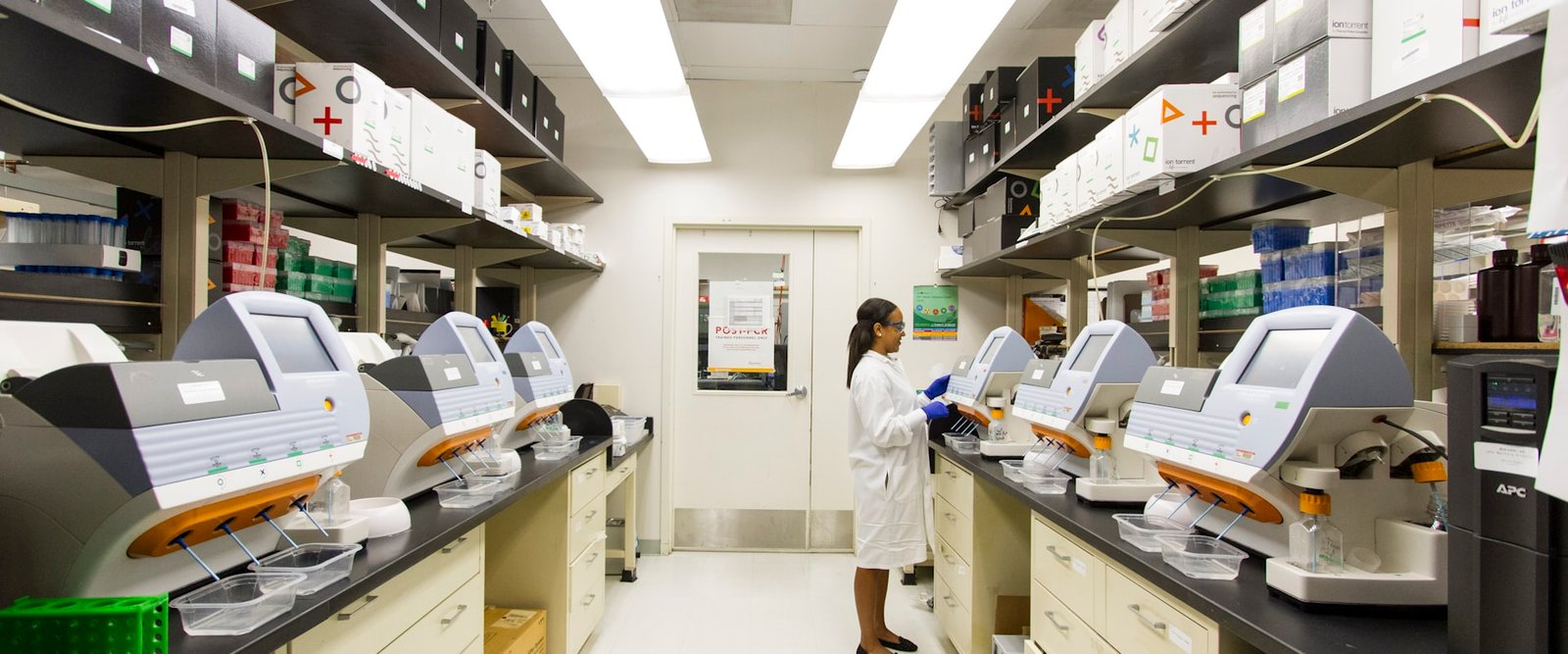
Key audit criteria for international buyers: heat treatment certification, wire EDM tolerances, ISO 13485 compliance, and verifying direct factory status versus trading houses.
Read Full Guide
Detailed analysis of Kerrison vs. Beyer vs. Ruskin vs. Stille-Luer patterns—comparing bite force distribution, jaw cup angles, and footplate thickness configurations.
Read Technical Paper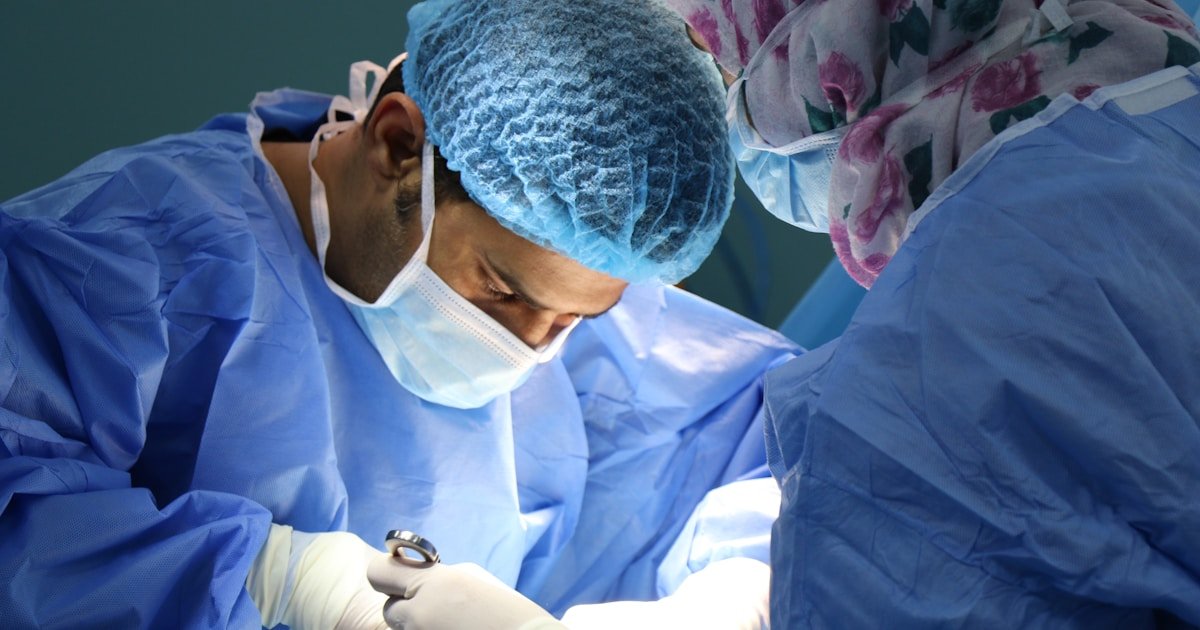
Navigating Class IIa/I technical documentation, UDI DataMatrix laser marking requirements, and risk management files (ISO 14971) for surgical instrument importers.
Read Regulatory ReportConnect directly with our engineering and export desk in Sialkot. Submit your technical drawings, competitor catalog numbers, or custom OEM requirements for a detailed response within 24 business hours.