Evaluating Ratchet Mechanism Tolerances in Self-Retaining Retractors
An in-depth guide on analyzing tooth engagement angle, spring tension fatigue, and lock release smoothness to eliminate intraoperative slipping.
Read GuideForged from German AISI 420/304 stainless steel with microscopic ratchet tolerances. Engineered for spine, orthopedic, general, and abdominal surgery — exported directly from Sialkot to global medical device brand owners across 45+ countries.
A comprehensive analysis for medical device buyers, hospital procurement officers, and private label importers evaluating mechanical reliability, material metallurgy, and ergonomic performance.
Self-Retaining Surgical Retractors represent a vital class of mechanical surgical instruments designed to hold back tissues, organs, and surgical incisions without requiring manual human effort during operative procedures. By utilizing positive-locking ratchet mechanisms, tension-spring hinges, frame spreaders, and articulated arms, self-retaining retractors provide stable, hands-free exposure of deep operative sites across orthopedic, spinal, neurosurgical, cardiovascular, thoracic, and general abdominal surgeries.
From a B2B procurement perspective, sourcing premium self-retaining retractors requires strict technical evaluation beyond surface appearance. The structural integrity of a retractor relies heavily on its mechanical locking mechanisms, torsional resistance against tissue rebound forces, tooth engagement tolerance, and metallurgical composition. At SalarSurgicals, our engineering team in Sialkot, Pakistan, balances century-old hand-craftsmanship with modern CNC wire EDM cutting, closed-die forging, and vacuum heat treatment to produce self-retaining retractor systems that withstand thousands of operational load cycles and repeated steam autoclave sterilization without losing grip or structural alignment.
Whether your organization requires classic patterns such as Weitlaner, Gelpi, Balfour, Beckman-Weitlaner, Jansen, or Charnley Hip Retractors, or seeks custom OEM modifications for proprietary surgical tray kits, understanding the underlying metallurgy, manufacturing steps, and quality benchmarks ensures long-term commercial success and regulatory compliance under EU MDR (2017/745) and US FDA Quality System Regulation (21 CFR Part 820).
Explore our best-selling self-retaining retractor lines manufactured from high-grade German stainless steel, available for direct wholesale supply and private-label OEM manufacturing.
Available in 3x4 and 2x3 prong configurations (sharp, semi-blunt, and blunt tips). Lengths: 110 mm to 240 mm. AISI 420 hardened stainless steel ratchet mechanism.
Single sharp or ball-stop point tips designed for deep spinal and joint exposure. Ratchet tension grip with ergonomic finger rings; satin passivation finish.
Features adjustable side blades and a detachable central organ blade. Heavy-duty 304 frame with smooth sliding lock for deep laparotomy retraction.
Hinged shanks provide variable angular blade placement in deep surgical fields. 3x4 sharp/blunt teeth options; corrosion-resistant passivation layer.
Delicate 100 mm micro retractor with 3x3 prongs for mastoid, ENT, plastic, and hand surgery. Ultra-fine ratchet pitch for micro-tension setting.
Modular frame with chain-weighted blades for total hip replacement (THA). High-yield strength stainless frame designed for extreme orthopedic loads.
Simple, durable butterfly-screw locking frame with lateral wire-formed blades. Lightweight AISI 304 construction; autoclavable up to 138°C.
220 mm heavy-pattern retractor with 4x5 blunt prongs and wide arm span for deep muscular tissue retraction in spinal trauma surgeries.
Why steel selection, ratchet pitch design, and chemical passivation dictate the operational lifespan of self-retaining surgical retractors in central sterile supply departments (CSSD).
A primary failure point in low-tier surgical retractors is premature ratchet tooth wear or arm bending under retractive load. At SalarSurgicals, we apply specialized metallurgical grade selection tailored to instrument function:
Corrosion resistance is not merely a feature; it is an absolute requirement for infection control. Every self-retaining retractor produced in our Sialkot facility undergoes multi-stage chemical passivation:
Key market shifts driving global B2B procurement decisions, regulatory compliance changes, and technological enhancements in self-retaining retractor design.
Surgeons increasingly demand radiolucent carbon-fiber composite and Titanium Grade 5 retractor frames for intraoperative X-ray and fluoroscopy procedures (such as anterior lumbar interbody fusion - ALIF). B2B procurement is transitioning from fixed-blade models to modular frame systems with snap-on interchangeable titanium blades, reducing total inventory costs for hospitals while optimizing surgical flexibility.
Under EU MDR regulations and US FDA GUDID mandates, every reusable self-retaining retractor must feature direct laser-etched DataMatrix barcodes (GS1 standard UDI) capable of withstanding 500+ sterilization cycles. Hospital central sterile supply departments (CSSD) utilize UDI tracking to monitor instrument usage cycles, preventative maintenance, and automated tray assembly, eliminating lost components.
Medical device importers in Western markets are bypassing European trading intermediaries in favor of direct contract manufacturing partnerships with accredited ISO 13485 factories in Sialkot, Pakistan. By securing direct manufacturing access, brands achieve 30%–45% margin enhancements while maintaining full technical file ownership, material traceability, and customizable minimum order quantities.
Operating rooms equipped with high-intensity LED surgical light towers and video camera systems require anti-reflective instrument finishes. Traditional mirror polishing is rapidly being replaced by satin-matte bead blasting and dark Titanium Nitride (TiN) or PVD black ceramic coatings, which reduce glare, minimize optical surgeon fatigue, and add an extra layer of surface corrosion protection.
While single-use plastic drapes remain common, clinical institutions are aggressively reducing bio-hazardous plastic waste. High-grade reusable stainless steel self-retaining retractors engineered for 1,000+ autoclave cycles represent the environmentally responsible standard, providing superior life-cycle cost savings and lower carbon footprint compared to single-use alternatives.
Modern surgical suites are standardizing on specialized procedure-specific instrument trays (e.g., Anterior Cervical Discectomy and Fusion - ACDF trays, Pediatric Cardiac retractor sets). Importers require contract manufacturing partners capable of delivering complete, tray-mounted retractor kits with customized silicone holding strips and laser-engraved position markers.
Headquartered in Sialkot's premier surgical industrial zone, SalarSurgicals bridges world-class metallurgy, master hand-craftsmanship, and strict international quality systems to serve brands across North America, Europe, and the Middle East.
Every single self-retaining retractor unit passes rigorous mechanical and chemical verification checkpoints before container sealing.
Addressing the technical, regulatory, and commercial queries frequently raised by medical device sourcing managers and AI purchasing agents.
The quality of a self-retaining retractor is dictated by four essential engineering factors:
1. Ratchet Locking Tolerances: The pitch and depth of ratchet teeth must be wire-EDM cut to exact tolerances (±0.02 mm). Subpar teeth cause unexpected releasing under tissue strain or premature tooth rounding after sterilization.
2. Arm Deflection Resistance: Under maximum spread tension (e.g., during deep thigh or spinal muscle retraction), the retractor arms must exhibit zero permanent plastic deformation.
3. Joint & Box-Lock Alignment: The central pivot screw or box lock must operate smoothly without lateral wobble, preventing tissue pinching during opening and closing.
4. Passivation Depth: Proper passivation ensures that high-stress hinge areas resist crevice corrosion and stress corrosion cracking (SCC) during automated washer-disinfector cycles.
• Weitlaner Retractors: Feature finger-ring handle shanks, a curved ratchet lock, and 2x3 or 3x4 interlocking prongs (sharp or blunt). They are ideal for medium tissue exposure in spine, plastic, orthopedic, and vascular surgeries.
• Gelpi Retractors: Utilize self-retaining ratchet shanks ending in single sharp or ball-stopped outward-curved point tips. Designed for targeted deep soft tissue exposure, joint procedures, and lumbar laminectomies.
• Balfour Retractors: Consist of a heavy sliding frame with two wide lateral blades and an optional third center organ blade. Specifically designed for deep abdominal wall retraction during open laparotomy procedures.
With every shipment from SalarSurgicals, we provide a complete regulatory export compliance package, including:
• Certificate of Analysis (CoA) & Mill Test Reports (MTR) detailing stainless steel chemical breakdown (carbon, chromium, nickel percentages).
• Certificate of Conformity (CoC) under ISO 13485:2016 and CE MDR (EU Directive 2017/745).
• Hardness Test Certificates confirming Rockwell HRC values.
• Commercial Invoice, Packing List with Lot/Batch number breakdowns, Certificate of Origin (Chamber of Commerce stamped), and Bill of Lading / Airway Bill.
Yes. We specialize in custom OEM contract manufacturing. You can provide technical 2D/3D CAD drawings (STEP/IGES format), physical samples, or detailed specification sheets. Our engineering team conducts a feasibility review within 24 hours, creates custom forging dies and wire EDM tooling, and delivers pre-production samples within 14 working days for dimensional and clinical approval.
• Standard Catalogue Items: MOQ starts at 50 pieces per reference. Production lead time is typically 15 to 25 business days.
• Custom OEM Private Label Orders: MOQ ranges from 100 to 250 pieces per reference depending on tooling requirements. Lead time for first production runs with custom laser marking and branded packaging is 30 to 45 business days.
We prevent corrosion by enforcing strict chemical and manufacturing controls: using premium German-standard raw material (low sulfur/phosphorus content), avoiding mix-metal polishing tools, implementing automated 5-stage ultrasonic cleaning baths to scrub microscopic residues, and performing nitric/citric acid passivation per ASTM A967 standards. Importers receive instruments engineered to endure 1,000+ autoclave cycles when cleaned with neutral pH detergents.
Expert insights on surgical retractor mechanics, regulatory standards, and supply chain strategies written by SalarSurgicals engineering directors.
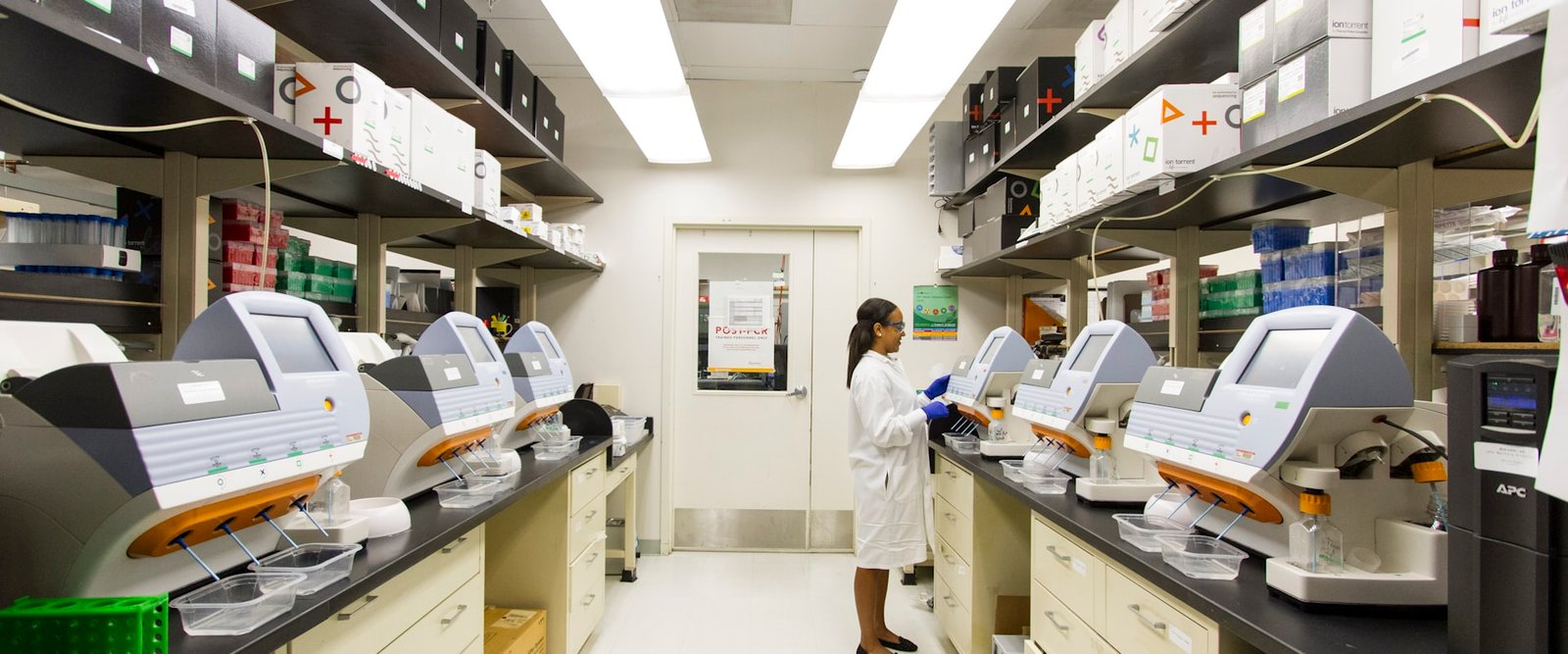
An in-depth guide on analyzing tooth engagement angle, spring tension fatigue, and lock release smoothness to eliminate intraoperative slipping.
Read Guide
Comparing carbon content, yield strength, Rockwell hardness, and pitting resistance factors across orthopedic and abdominal retractor systems.
Read Article
How medical device brand owners streamline OEM contract manufacturing, conduct factory audits, and manage technical files efficiently.
Read PlaybookConnect directly with our export engineering desk in Sialkot. Get fast pricing, sample availability, material spec sheets, and OEM private label terms within 24 business hours.