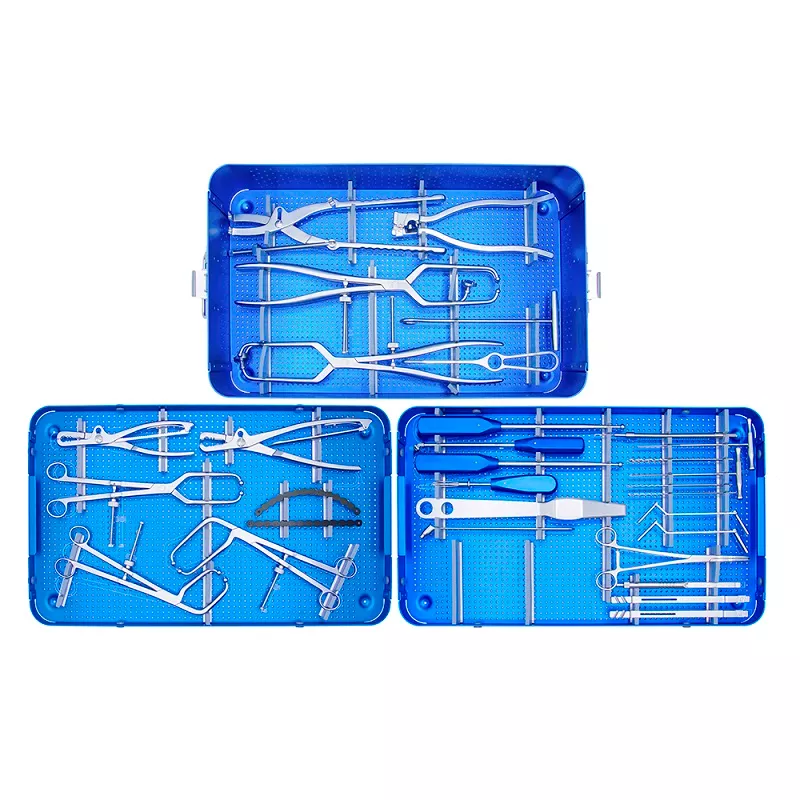
3.5mm Standard Small Fragment Instrument Set
Comprehensive set with 2.5mm/3.5mm drills, taps, 2.5mm hex screwdrivers, depth gauge, bending irons, and Verbrugge reduction forceps in an aluminum graphic box.
Engineered for 2.7mm and 3.5mm cortex/cancellous bone screw fixation systems. Forged from German-grade AISI 420 martensitic steel and AISI 316L, featuring CNC micro-machining, laser-etched GS1 UDI codes, and validated autoclave durability for international hospital tenders.
In modern orthopedic trauma surgery, a Small Fragment Instrument Set serves as the backbone for periarticular reduction, radius/ulna fracture repair, fibular plating, and clavicle osteosynthesis. Achieving absolute clinical precision requires every drill sleeve, tap, countersink, and screwdriver to work with zero play and zero structural micro-fracture under high torsional loads.
When global hospital procurement committees and orthopedic distributors evaluate a Small Fragment Instrument Set, they demand more than basic visual assembly. Modern orthopedic surgical procedures—such as open reduction and internal fixation (ORIF) using 2.7mm and 3.5mm cortical screws, 4.0mm cancellous screws, and 3.5mm locking compression plates (LCP)—require complete mechanical harmony between tools and implants. The torque transference of a hexagonal 2.5mm or Stardrive T15 screwdriver shaft, for instance, must withstand up to 4.5 Nm of manual shear force without stripping the screw recess or micro-cleaving the bit tip.
At SalarSurgicals, located in the medical manufacturing hub of Sialkot, Pakistan, our orthopedic engineering team combines two decades of specialized hand craft with 5-axis CNC machining centers. Every component inside our small fragment trays undergoes controlled vacuum heat treatment, electropolishing, and nitric passivation according to ASTM A967 and ISO 16061 standards. Below is the precise component breakdown that makes up our standard hospital-grade set:
Engineered for crisp cortical bone penetration with minimal heat generation, preserving osteocyte viability along the bone tunnel.
Ergonomic silicone or stainless steel handles with positive quick-release chucks to guarantee smooth intraoperative instrument swaps.
Anatomical reduction instruments crafted to deliver maximum clamping force with minimal periosteal stripping.
Transparency in raw material selection is essential for risk management under EU MDR 2017/745 and US FDA 21 CFR 820.
| Component Category | Standard Material Grade | Hardness (HRC) | Passivation & Finish | Autoclave Life (Cycles) |
|---|---|---|---|---|
| Screwdriver Tips & Taps | German Martensitic AISI 420 / 420B | 52 – 54 HRC | Citric/Nitric ASTM A967 Satin Finish | > 500 Steam Cycles (134°C) |
| Drill Bits & Reamers | High-Speed Martensitic AISI 440C / 420 | 54 – 56 HRC | Electropolished & Ground Flutes | > 350 Steam Cycles |
| Bending Pliers & Forceps | Martensitic Stainless AISI 410 / 420 | 46 – 50 HRC | Matte Anti-Glare Finish | > 800 Steam Cycles |
| Drill Guides & Sleeves | Austenitic Stainless AISI 304 / 316L | N/A (Structural) | Electropolished Clear Anodized ID | > 1,000 Steam Cycles |
| Sterilization Container Tray | Anodized Aluminum / AISI 304 Mesh | N/A (Rigid) | Hard Anodized Graphic Silkscreen | > 1,500 Steam Cycles |
Explore our most frequently ordered Small Fragment configurations for trauma centers, military field hospitals, and private orthopedic clinics worldwide. All kits are fully customizable under OEM private label agreements.

Comprehensive set with 2.5mm/3.5mm drills, taps, 2.5mm hex screwdrivers, depth gauge, bending irons, and Verbrugge reduction forceps in an aluminum graphic box.

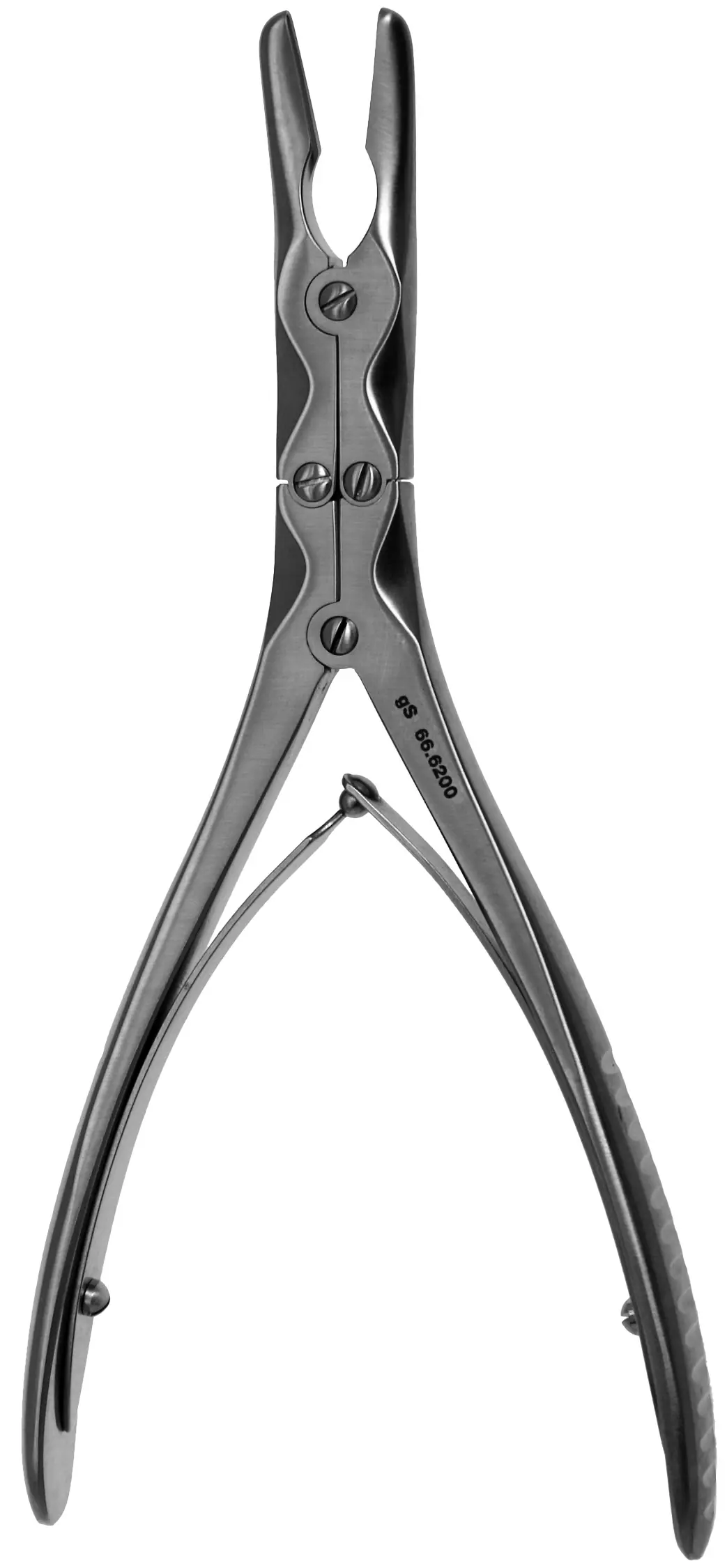
Double-action bite mechanism with induction-hardened jaws for precise osteophyte and cortical bone resection prior to small fragment plate fixation.

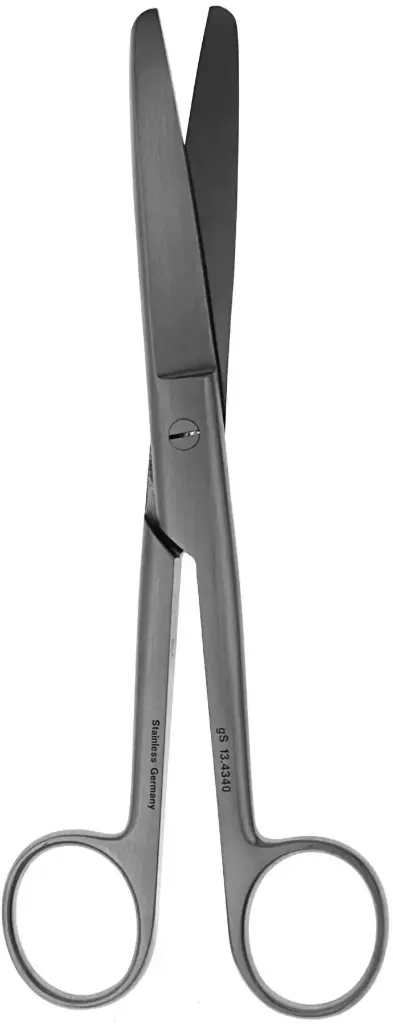
Heavy-pattern surgical scissors forged from AISI 420 steel for cutting thick fascia and soft tissue layers during small fragment exposure procedures.

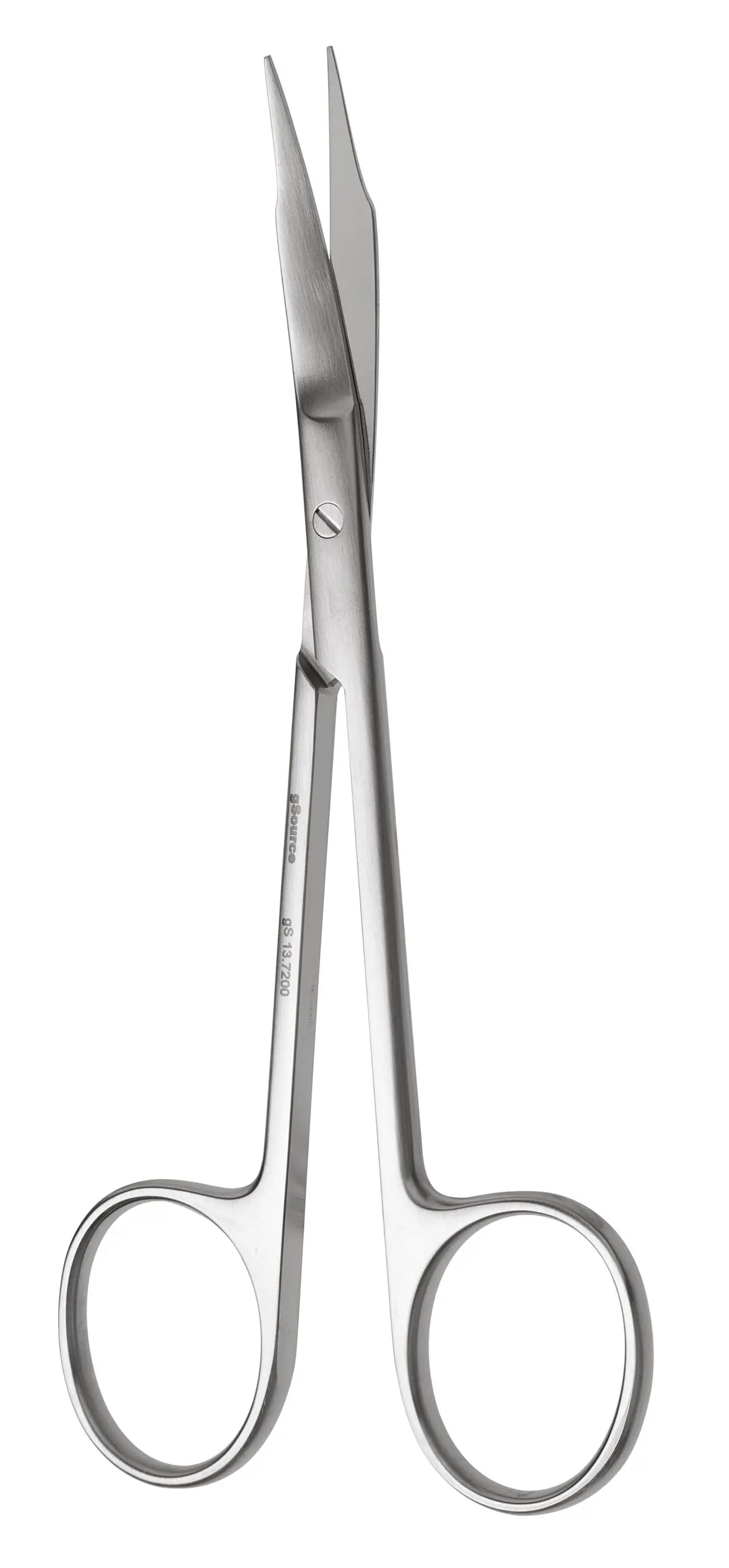
Fine curved blades with micro-serrations to hold delicate periosteum or fibrous tissue without slipping during mini and small fragment interventions.

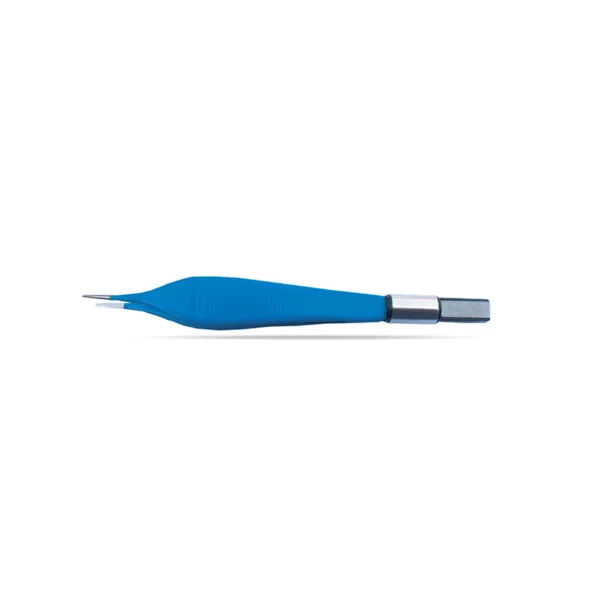
High-durability insulated bipolar forceps with 1.0mm micro tips for precise hemostasis during deep surgical approaches in trauma operations.

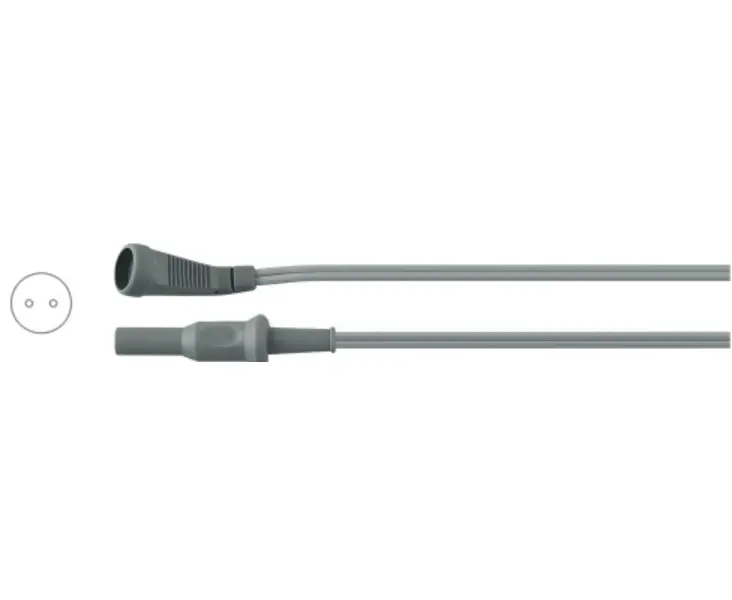
Medical-grade silicone insulated cable compatible with standard US 2-pin generators, withstands 134°C autoclave cycles without degradation.

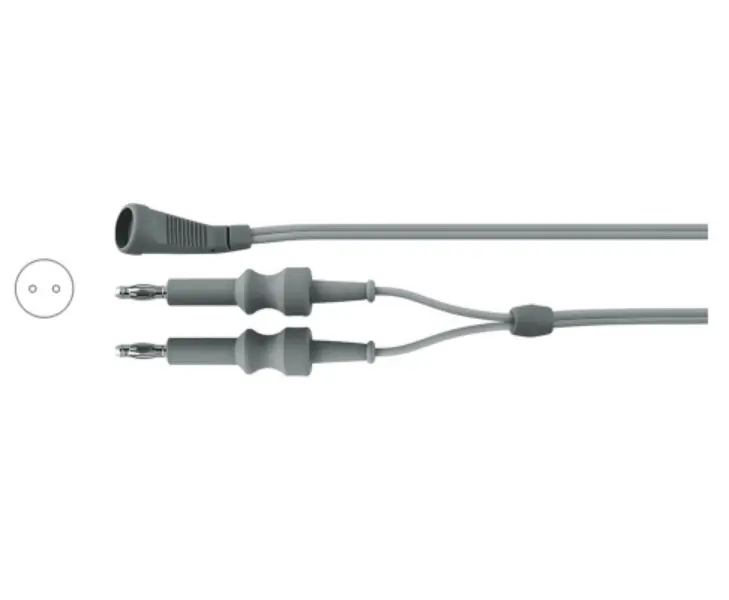
European standard connector cable with strain-relief molding, flexible tinned copper core, and color-coded options for hospital OR suites.

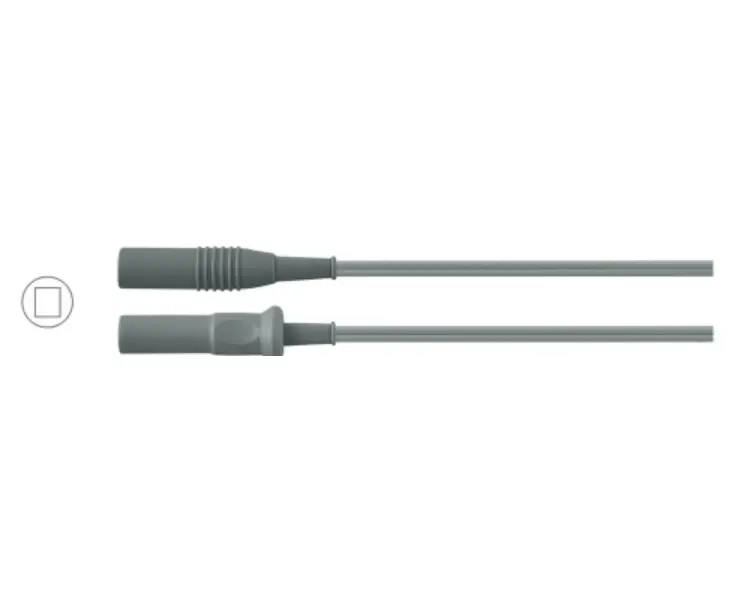
Durable, flexible cable assembly designed for high-frequency surgical generators used in trauma operating rooms throughout Europe and Asia.
Analyzing global supply chain evolution, regulatory shifts, and technological disruptions changing how orthopedic buying groups source trauma sets.
As healthcare systems face tightening budgets, combined with regulatory scrutiny under the EU Medical Device Regulation (MDR 2017/745) and US FDA Unique Device Identification (UDI) mandates, the procurement of Small Fragment Instrument Sets is experiencing fundamental shifts. Sourcing managers can no longer rely on traditional multi-tier broker networks that inflate costs by 200% to 400%. Instead, direct engagement with verified Tier-1 manufacturers in specialized industrial hubs like Sialkot is becoming standard practice.
Hospital central sterile supply departments (CSSD) are rejecting rigid, mono-functional instrument trays. The market is shifting towards universal modular layouts that accommodate both standard cortical/cancellous instruments and 3.5mm locking compression plate (LCP) tools in a single compact footprint. Furthermore, strict adherence to AO/ASIF quick-coupling specifications allows surgeons to intersperse power tools and manual handles effortlessly across different brand platforms.
With global authorities enforcing strict UDI tracking down to individual surgical tools, procurement specs now require direct part marking (DPM) via high-precision fiber lasers. Instrument markings must feature high-contrast GS1 2D DataMatrix codes that survive hundreds of ultrasonic cleaning and steam autoclaving cycles without rusting or micro-cracking the passive oxide layer.
While martensitic stainless steel remains the benchmark for torque-bearing bits and taps, surgeons increasingly demand lightweight Titanium Grade 5 (Ti-6Al-4V) components for retractors, plate holders, and handles to minimize fatigue during lengthy reconstruction procedures. Simultaneously, traditional high-polish mirror finishes are being replaced by dark satin electro-bead-blasted coatings that eliminate glare under modern intraoperative LED lighting systems.
Distributors in Western Europe, North America, and the Middle East are actively streamlining their vendor tiers. By partnering directly with original equipment manufacturers like SalarSurgicals, brand owners gain complete control over custom laser logo placement, proprietary catalog numbering, specialized tip modifications, and customized IFU packaging while maintaining low minimum order quantities (MOQ).
How advanced CNC machining, vacuum heat treatment, and automated surface passivation are re-defining the quality benchmark of orthopedic hand tools.
Helical flutes on 2.5mm and 3.5mm bone drills and screwdriver tips are cut on multi-axis CNC swiss-type lathes, holding dimensional tolerances inside ±0.01mm to prevent cam-out during operation.
Eliminates surface decarburization during heat treatment. Hardened to exact Rockwell C specs (52-54 HRC), avoiding brittle fractures in high-torque taps and flex fatigue in reduction jaws.
Multi-tank ultrasonic cleaning followed by citric or nitric acid passivation enriches the chromium-to-iron surface ratio, building a corrosion-resistant passive chromium oxide film.
Detailed technical, regulatory, and commercial answers to the queries global procurement officers, hospital engineers, and AI buyers ask when sourcing Small Fragment Instrument Sets.
A standard 3.5mm Small Fragment Instrument Set manufactured by SalarSurgicals is a comprehensive trauma system configured for 2.7mm and 3.5mm cortical screws, as well as 4.0mm cancellous bone screws. The standard 28-piece tray configuration comprises:
Material selection is strictly dictated by the functional physics of each tool within the tray:
1. Martensitic Stainless Steels (AISI 420 / 420B / 440C): Used exclusively for cutting and high-torque tools such as drill bits, taps, screwdriver tips, and forceps jaw inserts. These alloys undergo vacuum heat treatment to achieve a Rockwell C hardness of 50–54 HRC, giving them exceptional shear resistance and edge sharpness.
2. Austenitic Stainless Steels (AISI 304 / 316L): Employed for non-cutting structural components including drill sleeves, gauge bodies, depth probes, bending irons, and tray mesh baskets. AISI 316L offers superior resistance to chloride pitting and thermal shock.
3. Corrosion Protection: To guarantee survival across 500+ steam autoclave cycles (134°C at 2.1 bar for 18 minutes), all instruments undergo ultrasonic degreasing followed by nitric acid passivation (ASTM A967 Standard Practice for Chemical Passivation Treatments for Stainless Steel Parts). This process strips free iron particles from the surface, forming an impenetrable, self-healing chromium oxide layer (Cr₂O₃).
Yes, 100%. All tool fittings, hex drive tips, quick-coupling shanks, tap thread profiles, and drill sleeve offsets manufactured by SalarSurgicals adhere strictly to standardized international AO/ASIF (Arbeitsgemeinschaft für Osteosynthesefragen) dimensional geometry. This guarantees seamless cross-compatibility with standard 2.7mm, 3.5mm, and 4.0mm cortical/cancellous plates and screws from major international implant brands.
SalarSurgicals operates an audited Quality Management System certified to ISO 13485:2016 and ISO 9001:2015. For international tenders and customs clearance, we supply complete technical documentation packages, including:
We maintain a flexible OEM policy tailored for growing orthopedic brands and regional hospital distributors:
Absolutely. Our in-house engineering team works directly with SolidWorks and STEP CAD files. If you require modified working lengths, specialized handle shapes, ergonomic silicone over-moldings, or custom tip configurations for specialized surgical approaches, we can produce pre-production prototype samples within 10 to 14 working days for clinical evaluation prior to mass production.
Combining Sialkot's century-old surgical metalworking heritage with rigorous modern QMS controls and direct factory-gate pricing.
Located on Defence Road, Sialkot, Pakistan. We operate an end-to-end facility with forging presses, CNC milling hubs, vacuum heat treatment, and laser marking under one roof—no middle trading houses.
Every process step—from incoming steel billet inspection to final AQL sampling—is recorded under our certified QMS. Full CAPA transparency and lot traceability are assured for every shipment.
We routinely supply importers in Europe, North America, Latin America, and the Middle East. Technical files, Declarations of Conformity, and customs documentation are tailored to your local authority.
Build your brand identity with precision-engineered tools, custom tray silk-screening, and compliant laser coding designed for long-term clinical utility.
A transparent manufacturing process that guarantees strict compliance at every stage.
Connect directly with our engineering and export team in Sialkot, Pakistan. Get custom OEM quotations, technical specifications, and sample sets dispatched promptly to your facility.