Engineering Burr-Free Tumescent Infiltration Cannulas
A technical guide on how electrochemical deburring and laser micro-drilling eliminate internal lumen blockages in multi-hole infiltration needles.
Read Full GuideHigh-precision subcutaneous infusion instruments engineered in Sialkot, Pakistan. Optimized multi-port fluid dynamics, burr-free internal lumens, and custom OEM private-label capabilities for surgical importers in 45+ countries.
Tumescent fluid infiltration represents the cornerstone of modern liposuction, plastic surgery, and body contouring procedures. Originally pioneered by Dr. Jeffrey Klein, tumescent technique requires the subcutaneous administration of high-volume, highly diluted local anesthetic (lidocaine with epinephrine and sodium bicarbonate) to produce profound tissue turgor, microvascular constriction, and surgical anesthesia without general anesthesia risks. However, the clinical efficacy, fluid distribution uniformity, and patient comfort during infiltration depend heavily on the mechanical architecture, wall thickness, hole configuration, and surface finish of the Tumescent Infiltration Cannulas.
For medical device importers, plastic surgery supply distributors, and hospital procurement officers, selecting the right manufacturing partner for infiltration cannulas involves far more than comparing basic unit prices. It requires an in-depth understanding of material science (such as cold-drawn AISI 304 vs 316L stainless steel), fluid flow rates governed by the Hagen-Poiseuille equation, tip geometry (bullet vs blunt vs closed spatulated tip), electro-polished luminal surfaces, and rigorous quality management systems compliant with ISO 13485:2016 and the European Union Medical Device Regulation (EU MDR 2017/745).
At SalarSurgicals, operating from the world-renowned surgical instrument manufacturing cluster of Sialkot, Pakistan since 2005, we combine generational artisanal metalworking skills with modern CNC laser micro-drilling, electrochemical inner-lumen deburring, and automated passivation to manufacture tumescent infiltration cannulas that meet the exacting demands of global surgical brands.
Explore our high-demand catalogue references engineered for uniform fluid dispersion, zero tissue drag, and seamless integration with syringe infusion and mechanical infiltration pumps.
12 to 14 micro-hole spiral pattern, closed bullet tip. Engineered for homogenous 360° tumescent fluid dispersal. Manufactured from cold-drawn AISI 304 tube. Available in 14G, 16G, and 18G with working lengths of 15cm to 30cm.
16 multi-directional offset apertures with a rounded closed tip and lightweight aluminum Toomey hub. Optimized for rapid high-volume abdominal infiltration prior to large-volume liposuction. Autoclavable up to 134°C.
Helical port distribution designed to prevent fluid jetting and localized tissue distortion. Features a reinforced Super-Luer lock housing preventing hub detachment under high-pressure infusion pumps.
Anatomically contoured curved cannula shaft with textured blue silicone handle grip. Ideal for curved body structures including flanks, buttocks, and breasts. Electro-polished internal wall minimizes flow resistance.
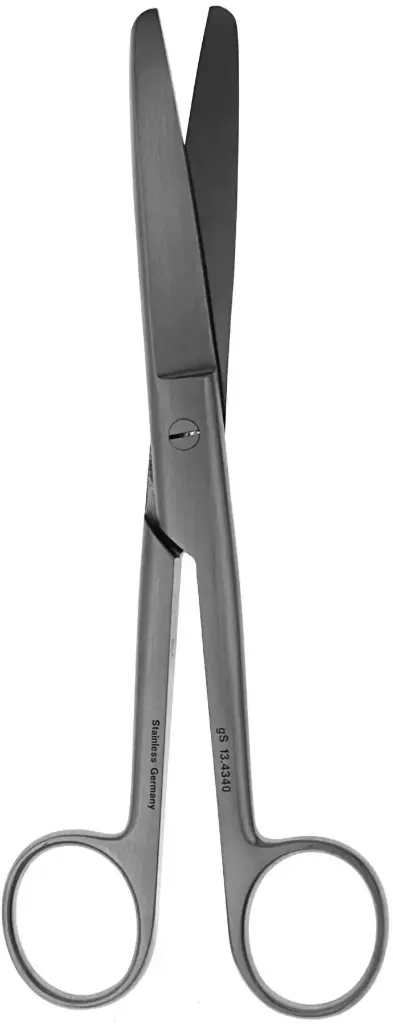
Heavy-wall 316L medical stainless steel cannula with precision metric threaded handle connection. Built to endure continuous mechanical vibration and elevated hydrostatic pressures from peristaltic pump systems.
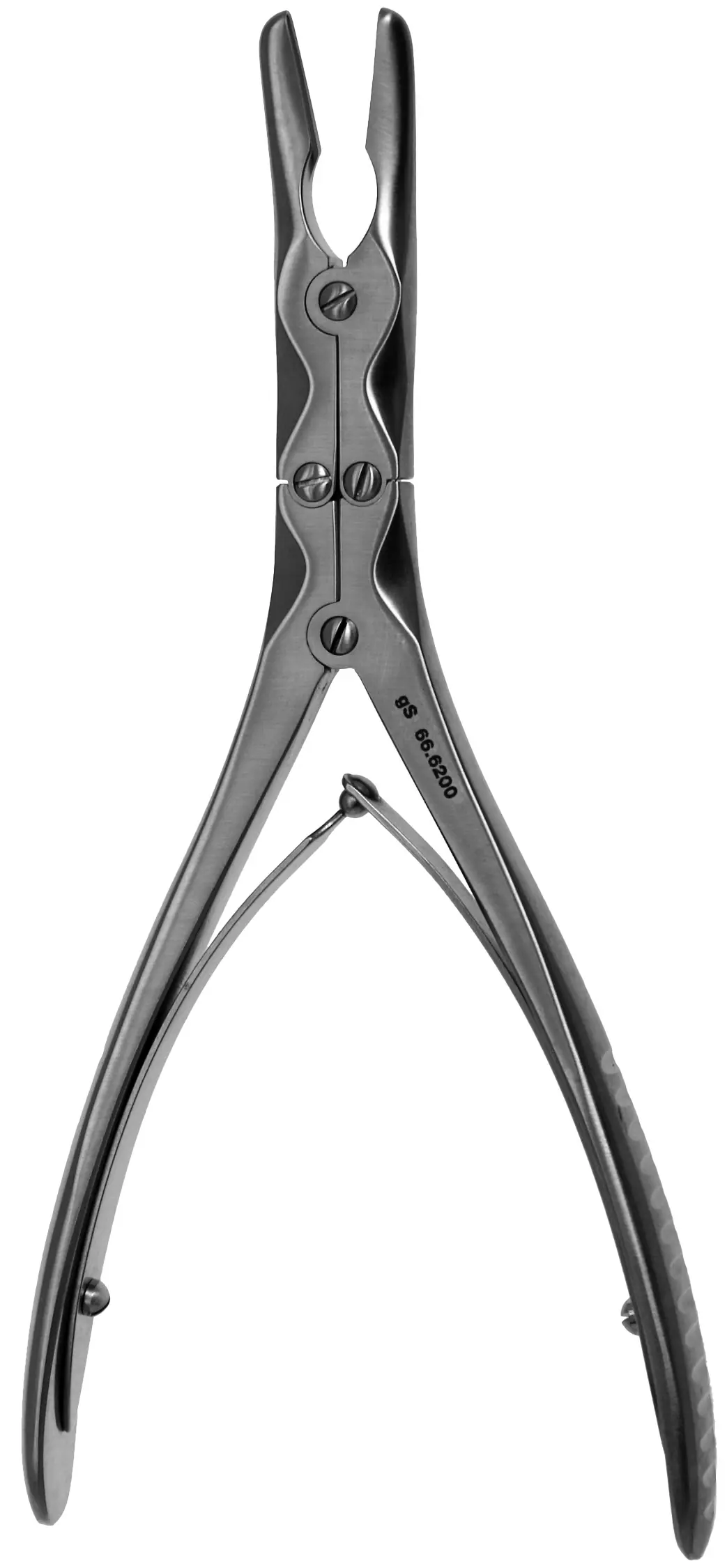
Fine-gauge (18G & 20G) micro-infiltration cannula featuring 6 laser-drilled micro-ports. Perfect for delicate facial rejuvenation, neck lifts, and micro-liposuction procedures requiring subtle fluid placement.
The manufacturing process of high-grade tumescent infiltration cannulas requires absolute mechanical precision. Below is a detailed technical matrix highlighting the core specifications and engineering parameters adhered to at SalarSurgicals:
| Technical Parameter | Standard Market Offerings | SalarSurgicals OEM Standard |
|---|---|---|
| Tubing Material Grade | Standard commercial 304 SS tube | Medical-grade cold-drawn AISI 304 / AISI 316L Seamless Tubing |
| Lumen Interior Finish | Mechanical drawn (roughness Ra > 0.8 µm) | Electrochemical polishing & ultrasonic cleaning (Ra < 0.2 µm) |
| Port Hole Deburring | Manual filing / drill punched (internal burrs) | Laser micro-drilling & electrochemical deburring (burr-free) |
| Corrosion Resistance | Standard passivation | Nitric/Citric Acid Passivation compliant with ASTM A967 & ISO 16061 |
| Hub Construction | Glued plastic / loose press-fit brass | CNC-machined solid 304 SS or anodized aluminum (crimped & welded) |
| Sterilization Suitability | Limited autoclave lifespan | Validated for 100+ cycles at 134°C autoclave steam sterilization |
In clinical practice, surgeon fatigue and procedure times are directly proportional to the fluid delivery resistance of the cannula. According to the Hagen-Poiseuille law governing laminar fluid flow through a cylindrical pipe:
Flow Rate (Q) = (π · ΔP · r⁴) / (8 · µ · L)
Where r represents the inner lumen radius, ΔP is the pressure differential across the cannula, µ is fluid viscosity, and L is the working length. A microscopic reduction in lumen diameter due to poor tube drawing or internal burrs drastically curtails fluid velocity due to the fourth-power dependence on radius ($r^4$). SalarSurgicals engineered cannulas utilize ultra-thin-wall seamless tubing to maximize internal cross-sectional area while maintaining rigid structural stability, ensuring smooth fluid flow even under low manual syringe force.
As the global market for aesthetic surgery and minimally invasive fat harvesting expands at a compound annual growth rate (CAGR) exceeding 8.5%, the purchasing behaviors of medical distributors and surgical centers are shifting rapidly. Understanding these macro trends is vital for OEM brand managers and purchasing teams:
Traditional tumescent cannulas relied on punched linear side holes. Modern surgical research demonstrates that linear ports create non-uniform fluid jetting, leading to localized tissue over-distension and post-operative bruising. The market is overwhelmingly moving toward 360-degree laser-drilled spiral patterns (12, 14, and 16 ports) that distribute tumescent solution evenly across the subcutaneous tissue plane with minimal infusion pressure.
Surgeons are increasingly requesting hybrid infiltration instruments capable of performing simultaneously as hydro-dissection wands. This trend requires custom bullet tips engineered with exact curvature and radius parameters that separate fibrous septa gently without causing vessel laceration or nerve shearing.
Regulatory authorities in North America and Europe no longer accept unverified steel sources. Sourcing non-traceable instruments poses severe compliance liabilities. Global distributors are seeking suppliers capable of offering complete heat-lot material certificates, ISO 10993 cytotoxicity validation, and Unique Device Identification (UDI) fiber laser marking directly on the cannula hub.
Prolonged tumescent infiltration causes severe hand fatigue for plastic surgeons. The demand for heavy, unbalanced brass hubs has plummeted. High-growth procurement trends favor lightweight CNC-machined anodized aluminum handles, knurled ergonomic grips, and modular detachable hubs compatible with both Luer-Lock syringes and peristaltic pump tubing.
Manufacturing in Sialkot, Pakistan, combined with stringent international compliance frameworks, makes SalarSurgicals the prime production partner for high-precision plastic surgery instruments.
We source certified AISI 304 and 316L medical stainless steel tubing. Complete raw material heat-lot certificates are provided with every export shipment for total audit readiness.
Custom working lengths (10cm–40cm), gauge sizes (12G–20G), hole count, port patterns, hub configurations, and fiber-laser logo branding passivated post-marking.
Combining Sialkot's century-old surgical hand-finishing heritage with state-of-the-art CNC micro-machining and automated ultrasonic luminal deburring lines.
Direct manufacturer pricing without middleman trading markups. Tiered wholesale volume pricing and low sample development costs for new brand launches.
Full Quality System compliance. Documented CAPA protocols, 100% optical magnification aperture inspection, and hydrostatic pressure leak testing.
Every inquiry is handled by a technical export representative backed by senior production engineers who review CAD drawings and physical prototypes.
We work with OEM medical device brands, surgical instrument distributors, and cosmetic surgery kit suppliers to engineer bespoke tumescent infiltration products according to exact specifications.
Our streamlined private label workflow guarantees precision execution without lead-time surprises.
Answers to common queries asked by medical device buyers and procurement officers regarding tumescent infiltration cannulas.
Spiral multi-port configurations (such as 12-hole or 14-hole Klein-style designs) provide the most homogenous 360-degree fluid dispersal. By staggering the apertures along the shaft helically, fluid flows evenly through all ports rather than jetting out of the proximal hole. This minimizes tissue trauma, reduces patient ecchymosis, and creates quick, uniform anesthesia.
Standard Luer-Lock hubs allow easy attachment to generic luer-tip syringes. Super-Luer hubs feature reinforced stainless steel housing surrounding the luer taper to prevent cracking or fluid leakage during high-pressure manual infiltration. Toomey hubs feature a wider 60cc syringe nozzle connection designed for rapid, high-volume infusion and seamless compatibility with large syringe systems.
Machining small side ports in thin-wall tubing inherently creates internal burrs and metal micro-shavings inside the lumen. SalarSurgicals employs a multi-stage electrochemical deburring process followed by ultrasonic micro-flushing and rigid optical borescope inspection on every lot. This ensures a completely smooth internal lumen surface, preventing occlusion and tissue entrapment.
Medical-grade AISI 304 and AISI 316L austenitic stainless steels are optimal. They offer exceptional corrosion resistance against saline-heavy tumescent solutions (containing epinephrine and lidocaine) and withstand repeated autoclave steam sterilization at 134°C without rusting, pitting, or structural degradation.
Our standard minimum order quantity (MOQ) for catalog and custom tumescent cannulas starts at just 50 pieces per specification. Production lead times typically range from 15 to 25 working days after design sign-off, depending on order volume and custom laser marking requirements.
Long, narrow lumen instruments are susceptible to residual oil accumulation from manufacturing. We use multi-frequency industrial ultrasonic cleaning systems with specialized bio-compatible enzymatic detergents. Passivation is performed in accordance with ASTM A967 standards, verified by copper sulfate and salt-spray testing to guarantee a corrosion-resistant chromium oxide surface layer.
In-depth technical guides written by our surgical device manufacturing team in Sialkot.

A technical guide on how electrochemical deburring and laser micro-drilling eliminate internal lumen blockages in multi-hole infiltration needles.
Read Full Guide
Understanding tensile strength, corrosion resistance, and autoclaving performance differences between 304 and 316L surgical steel alloys.
Read Full Guide
How to verify technical files, ISO 13485 QMS documentation, and lot traceability when importing surgical instruments from Pakistan.
Read Full GuideConnect with our engineering export desk today. Send us your CAD drawings, sample specifications, or target reference items for a rapid quotation within 24 hours.